Category: Book Review

  • My 6 Favorite LGBTQ+ Books Read in 2025 (so far)

    My 6 Favorite LGBTQ+ Books Read in 2025 (so far)

    Whether you’re a fan of romance, fantasy, contemporary fiction, or historical fiction, I’ve got a book recommendation for you! These are my six favorite queer books that I’ve read (not released) so far this year.

    My 6 Favorite LGBTQ+ Books Read in 2025 (so far)

    The Atlas Six

    by Olivie Blake
    Fantasy, 376 pages

    Set in a version of the present day where magic exists and is treated as interchangeable with science, this book’s plot (good) is vastly overshadowed by its worldbuilding (incredible) and character studies (phenomenal). With six protagonists offering chapters from their unique POVs, I was overwhelmed by Blake’s ability to create such morally complex and interesting characters. I would have read 1,000 pages of their inner lives and motivations, and am, in fact, off to read the sequel immediately!


    Rough Trade

    by Katrina Carrasco
    Historical fiction, 384 pages

    Unlike anything I’ve read before, this historical novel centers oppressed narratives with working class smugglers in 1880 Tacoma, Washington who are female, or gay, or gender non-conforming. There are no “good” or “bad” characters here, only complicated people trying to get a little bit more than they have and realizing what they’ll do in order to accomplish their goals. Absolutely fascinating!
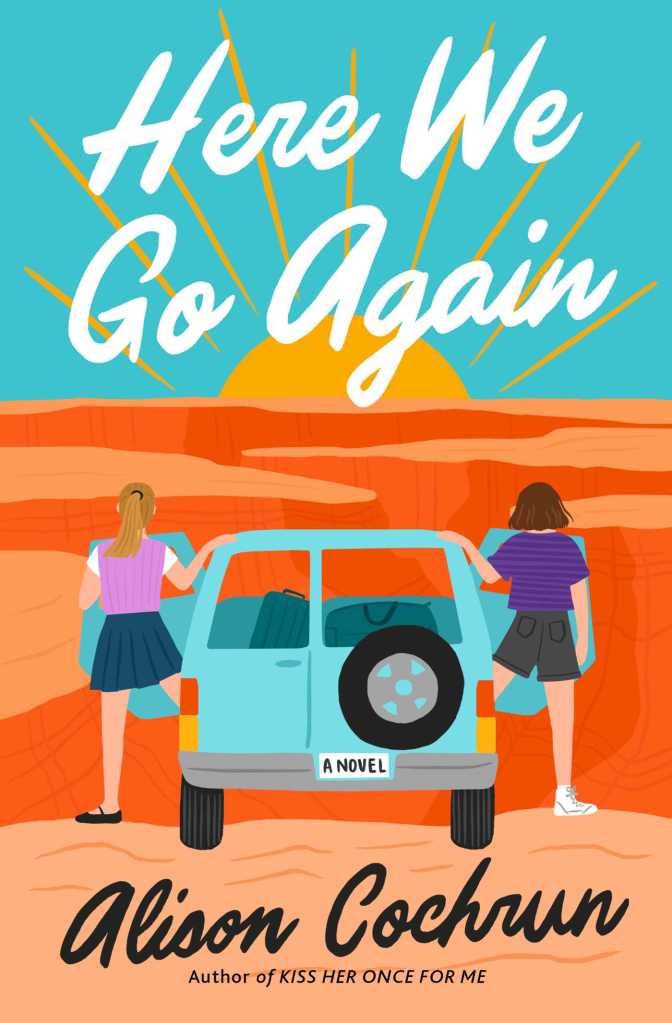

    Here We Go Again

    by Alison Cochrun
    Contemporary romance, 368 pages

    I adore a romance novel with enough meat to make me cry, and this succeeds easily by circling the spicy romance of the childhood-friends-turned-rivals around their mutual love of their dying teacher and father-figure. This book is queer family at its absolute best, with a road trip that brings out the best and worst in each person. Logan and Rosemary are believably annoyed with each other AND in love with each other, and this is the exact dynamic I like in a romance.
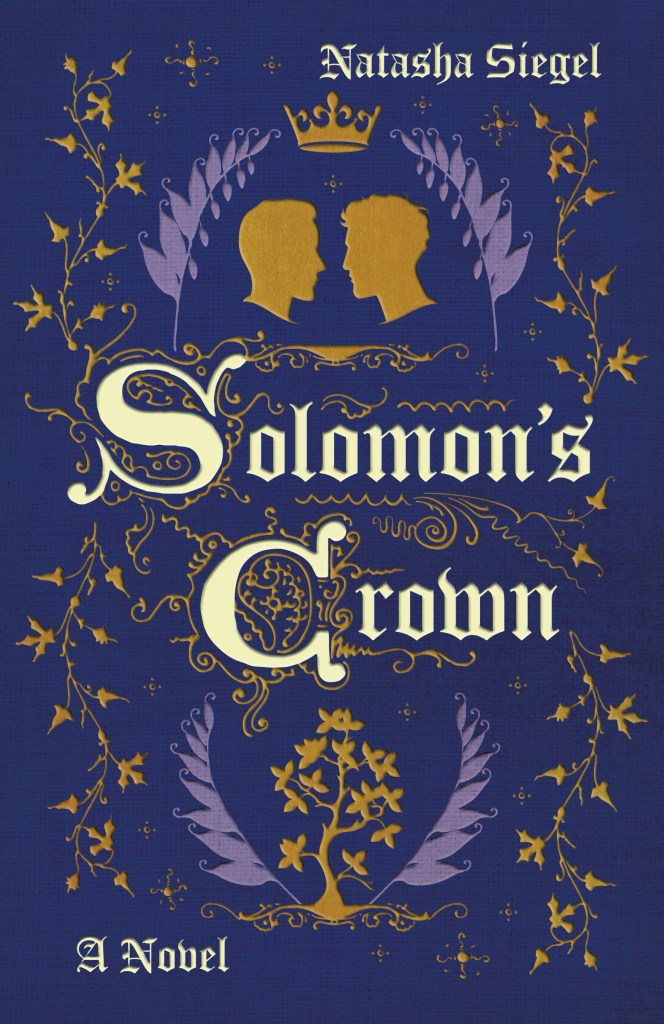

    Solomon’s Crown

    by Natasha Siegel
    Historical romance, 368 pages

    I am a huge fan of Eleanor of Aquitaine, and I long for historical romance novels set outside of the English Regency era, so this book was absolutely what I was looking for! Who wouldn’t want to read about feuding kings in the 1100s falling in love with each other? This is historical-lite, since Richard the Lionheart and King Philip of France did not actually fall in love (probably), but I loved the conflict between choosing between what is best for their countries and what is best for their hearts, swoon!
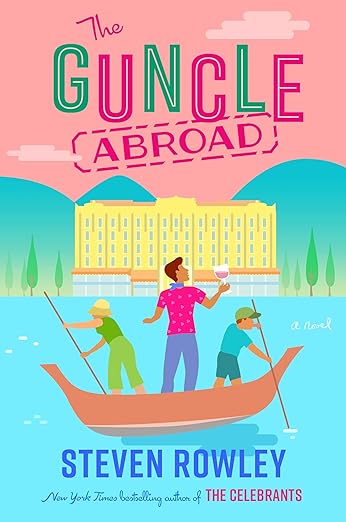

    The Guncle Abroad

    by Steven Rowley
    Contemporary fiction, 320 pages

    Steven Rowley has quickly become a must-read author for me. This sequel (that can easily be read as a standalone) captures the same humor, depth, and care as its precursor, The Guncle. This time the focus is on the complications and joys of love rather than grief, and the addition of European travels and wedding hijinks makes this possibly even more fun to me!? Seems impossible, but there you go. If you love a feel-good story with real heart and depth, you’ve got to read Rowley’s novels!
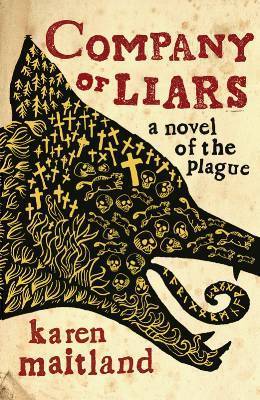

    Company of Liars

    by Karen Maitland
    Historical fiction, 576 pages

    This novel about a group of people traveling across England in the 1300s to avoid the plague is The Canterbury Tales meets And Then There Was One. It is a fascinating glimpse into the superstitions of the time, and most impressively, Maitland slowly draws you into the world so that by the end, I found myself as superstitious as the characters I had judged at the beginning. It is incredibly immersive, but that does include some pretty harrowing scenes as well, so take the content warnings seriously!

    CW: Anti-Semitism, homophobia, period-accurate violence


    What are your favorite books that you’ve read so far in 2025? Share them in the comments and let me know if I should read them too!

  • My 9 Favorite Queer Books Read in 2023

    My 9 Favorite Queer Books Read in 2023

    From graphic novels to epic fantasies to novella memoirs, the LGBTQ+ books that I read and loved the most this year cover a fairly broad range of genre and emotional intensity.

    My 9 Favorite Queer Books Read in 2023

    At the Feet of the Sun by Victoria Goddard. A compulsive doorstopper of a novel that takes everything from the first book of this series (helpful to read first but not strictly necessary) and elevates it. Read if you would like to read a middle-aged m/m asexual romance in a fantasy setting that is squee-worthily cute.

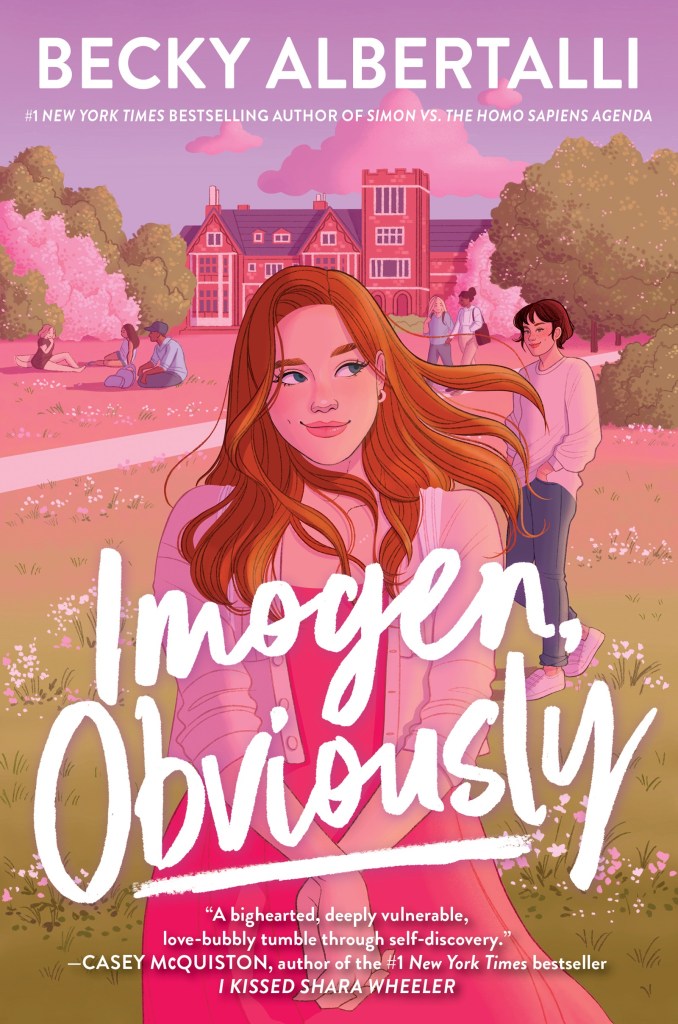
    Imogen, Obviously by Becky Albertalli. A sweet YA contemporary fiction for all my girlies who needed time to realize their queerness due to compulsive heterosexuality and an experience of attraction that doesn’t match what’s typically talked about. Read if you want to catch college feelings and enjoy a f/f romance bloom amongst amazing friendships.

    That Summer Feeling by Bridget Morrissey. If the above description sounded great but you’d rather read an adult romance, this is the book for you! Read if you want to relive summer camp experiences from an adult perspective with a f/f romance.

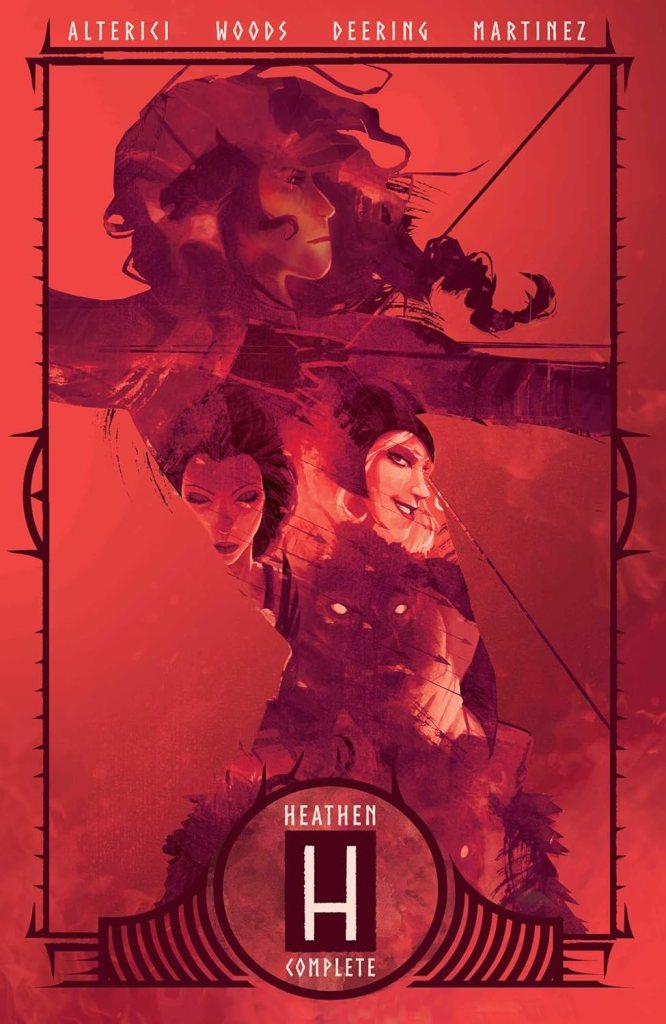
    Heathen by Natasha Alterici. A graphic novel with beautiful artwork telling a Viking story with a queer female lead? Um, obviously it’s very good. Read if you love Norse mythology and gender-swapped hero journeys.

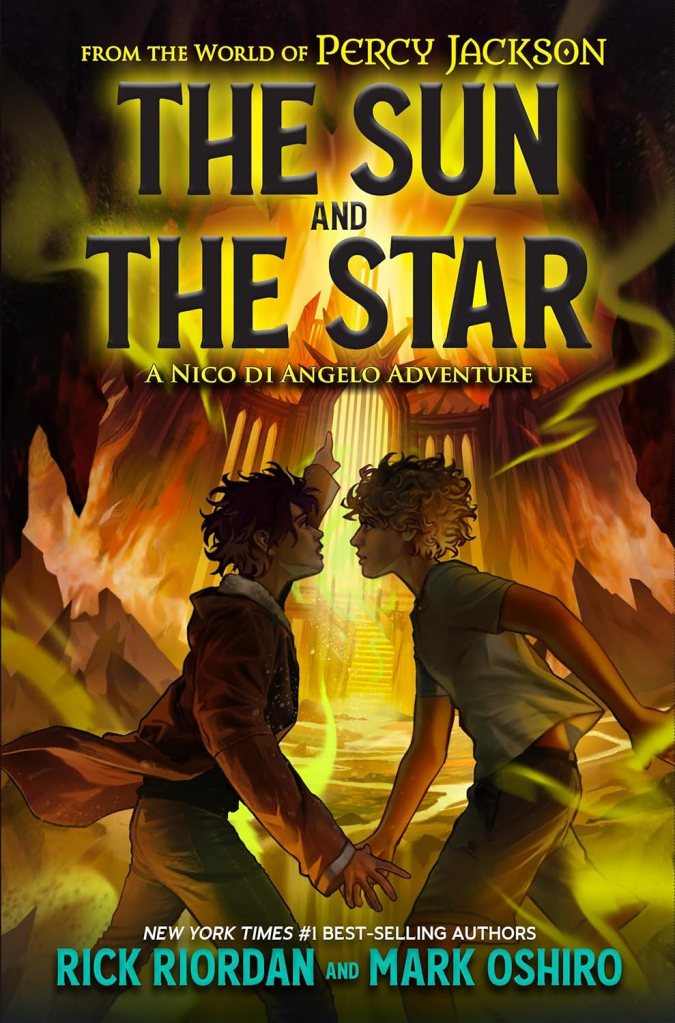
    The Sun and the Star: A Nico di Angelo Adventure by Rick Riordan and Mark Oshiro. I will apparently never stop loving Nico di Angelo in any of the Percy Jackson books, and this YA novel that focuses on him and his boyfriend descending into Hades and Tartarus is no exception. Read if you love an established couple m/m romance combined with modernized Greek mythology.

    Babel by R. F. Kuang. A doorstopper for revolutionary word nerds, this gorgeously written alternate history novel addresses heavy themes of colonization, translation, and racism within an increasingly compelling plot. Read if you want to think deeply about nuanced forms of oppression.

    Spoiler Alert: The Hero Dies by Michael Ausiello. A m/m romantic tragedy memoir that manages to be a story about a couple dealing with cancer that avoids trauma-porn sentimentality. Read if you want to laugh-cry your way through love, life, and death.

    Like a Love Story by Abdi Nazemian. A YA historical fiction set in late 1980s NYC, this novel follows three teens dealing with m/m love, the AIDS crisis, and activism. Read if you want to see the recent past with a fresh perspective.

    Peter Darling by Austin Chant. A sequel to Peter Pan that leans into deliciously fanfic-y territory by queerifying its characters (Peter is a trans man) and giving us the Pan/Hook romance I didn’t know I wanted. Read if you want to experience the magic of Peter Pan through a queer lens.


    What were some of your favorite books read in 2023? Leave a comment to let me know, and I’ll work on reading them in 2024!

    Check out our Queer Lil Library for more book recommendations and reviews!

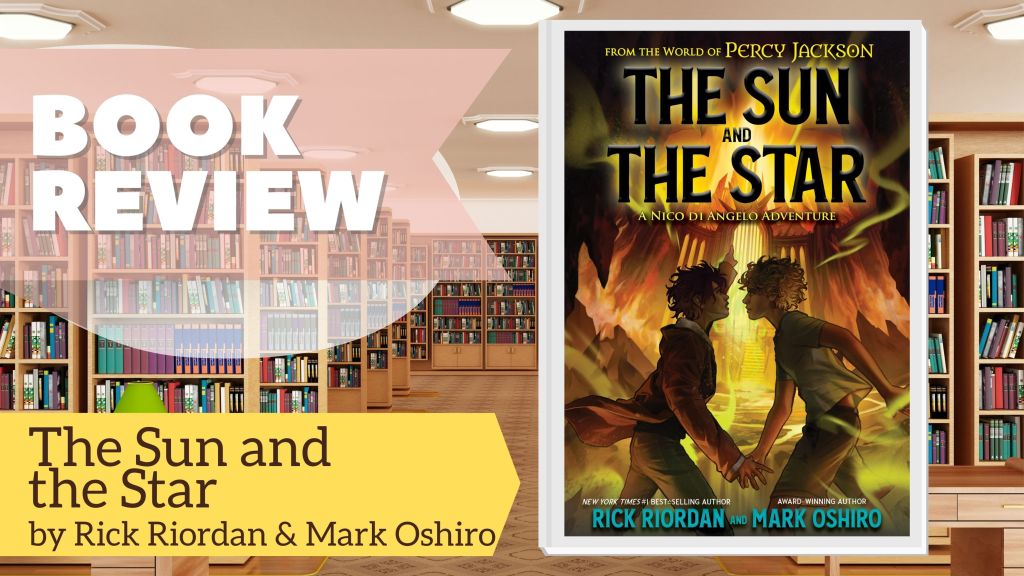
  • The Sun and the Star: A Nico di Angelo Adventure by Rick Riordan and Mark Oshiro

    The Sun and the Star: A Nico di Angelo Adventure by Rick Riordan and Mark Oshiro

    Genre | Middle Grade Fantasy & Mythology
    Page #s | 480
    Publishing Date | May 2023

    As the son of Hades, Nico di Angelo has been through so much, from the premature deaths of his mother and sister, to being outed against his will, to losing his friend Jason during the trials of Apollo. But there is a ray of sunshine in his life–literally: his boyfriend, Will Solace, the son of Apollo. Together the two demigods can overcome any obstacle or foe. At least, that’s been the case so far…

    Now Nico is being plagued by a voice calling out to him from Tartarus, the lowest part of the Underworld. He thinks he knows who it is: a reformed Titan named Bob whom Percy and Annabeth had to leave behind when they escaped Hades’s realm. Nico’s dreams and Rachel Dare’s latest prophecy leave little doubt in Nico’s mind that Bob is in some kind of trouble. Nico has to go on this quest, whether Mr. D and Chiron like it or not. And of course Will insists on coming with. But can a being made of light survive in the darkest part of the world? and what does the prophecy mean that Nico will have to “leave something of equal value behind?”

    Nico will have to face demons both internal and external as his relationship with Will is tested to the core in this standalone adventure featuring two of the most popular characters in the Percy Jackson saga.

    Goodreads

    I will apparently never outgrow the Percy Jackson universe, because I utterly enjoyed following Nico di Angelo back into Tartarus with his boyfriend, Will Solace in The Sun and the Star! As always, Riordan reinterprets Greek mythology into modern contexts (troglodytes and stacks of hats – adorable!) that makes these myths feel universal and relevant. Forcing a new couple to confront the darkness, or rather, Darkness aka Nyx, is a wonderful adventure as well as an apt metaphor to growing beyond puppy love into a love that encompasses the totality of a person.

    Riordan isn’t the only author this time around. Mark Oshiro, an out gay man, joins him to bring Nico and Will’s relationship to life in an authentically sweet way. I really admire Riordan for creating queer characters and for bringing in queer creators to tell more in depth stories. I don’t know who wrote what, but I’m assuming it is Oshiro who gives us moments of sweet connection between the two boys as they navigate the Underworld, survive Rivers of Pain, and avoid monsters.

    I’m a sucker for gay romances, and this relationship hit so many of my favorite notes. Rather than being a cute “opposites attract!” narrative about a son of Hades and a son of Apollo, both boys have to wrestle with their fundamental differences. Nico takes Will’s fear of the Underworld personally, fearing that he will have to match Will’s sunny disposition without there being room for his darkness. They learn to support and appreciate each other in very real ways, and I actually think this is a great book on how to process trauma within a relationship. And it’s a middle grade book about Greek myths! Fantastic.

    If you already like the Percy Jackson universe, I don’t have to sell this to you. If you’ve given up, I highly suggest trying this book out. It’s emotionally mature and resonate while keeping much of the silly creativity of the original series.

    Check out our Queer Lil Library for more book recommendations and reviews!

  • ABC – Deconstructing Gender by Ashley Molesso and Chess Needham

    ABC – Deconstructing Gender by Ashley Molesso and Chess Needham

    Genre | Picture Book
    Publishing Date | May 2023

    Be affectionate, beautiful, courageous, and more in this gender-bending ABC book.

    Daryl is so affectionate. Alex is gentle with the family cat. Sage and Kaylin are super strong. And Ira yearns to do ballet like their older brother. Demystify gender stereotypes while learning your ABCs in this bright, celebratory debut picture book by stationery company Ash + Chess, who bring not only their quirky artistic flavor but also their personal perspectives as a queer couple to this empowering book for younger kids. This hardcover picture book is rendered in bright, bold colors and patterns and uses neon pink hues throughout. As a bonus, remove the book’s jacket to reveal a cool ABC poster on the opposite side that can be displayed at home, in schools, at libraries, or anywhere!

    Goodreads

    I was honored to receive a copy of Deconstructing Gender from Running Press Kids. I don’t often review picture books on Roar Cat Reads, but I used to be a children’s librarian and this book makes me think I should do more of these!

    Highlighter bright, this book is joyous in colour as well as in message. Each page represents a letter of the alphabet by describing how kids can care for others. For example, one page says, “Alex is always so GENTLE with their family cat.” Another says, “Raheme comforts Tarin. He’s very UNDERSTANDING.” These are great affirmations to instill into little (and big) hearts.

    What makes this book truly special is the intersectional diversity within its pages. Kids of all genders, races, sizes, and abilities are depicted with no additional commentary. Whether you’re wearing a hearing aid, have a green mullet, wear cornrows, or dress in drag, you can learn how to care for the pets, family, and friends around you.

    Effortlessly inclusive and brightly enticing, ABC – Deconstructing Gender is the picture book I wish I could read at story time!

    Who Do I Recommend This Book To?

    Get ABC-Deconstructing Gender for the next baby shower you attend!

    Check out our Queer Lil Library for more book recommendations and reviews!

  • 6 Queer Books I Read While Wedding Planning

    6 Queer Books I Read While Wedding Planning

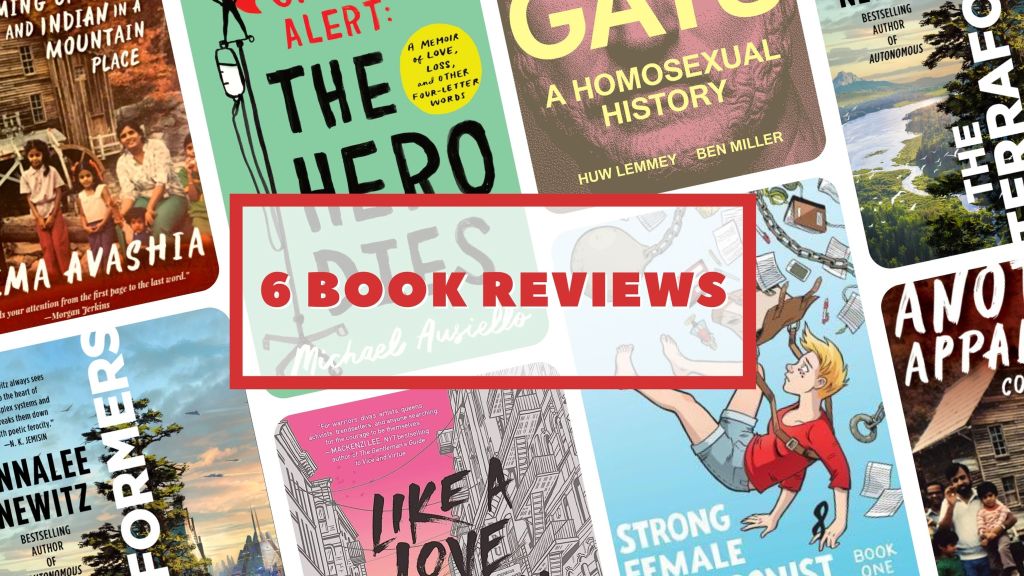
    Wedding planning really took the wind out of my blogging sails, but I’m back, and I want to talk about the queer books that I read during those months that I was MIA. From memoirs to graphic novels to YA to historical nonfiction, I’ve got a book recommendation for you!

    6 Queer Books I Read While Wedding Planning

    Spoiler Alert: The Hero Dies

    by Michael Ausiello

    This is the only book that directly relates to getting married, and WOW was it a good but hard book to read in the run up to committing my life to someone else’s in a world that is chaotic and impossible to control! A memoir about a gay couple’s relationship when one of them develops terminal cancer, I wound up loving it because it avoids trauma porn vibes by including a wicked sense of humor that rang really authentically to me. It’s devastating (look at that title) and uplifting in a “this is the human condition” sort of way.\


    Strong Female Protagonist: Book One

    by Brennan Lee Mulligan and Molly Ostertag

    I have recently fallen down the Dimension 20 hole, and I’m now obsessed with everything that Brennan Lee Mulligan has created. When I learned that he had created a graphic novel with Molly Ostertag, it was the easiest decision in the world to check it out. Although the drawings start out a little rough around the edges, in true webcomic fashion, the style crystalizes as the book progresses. As for the story itself, it’s a great character study on the weight of superheroism and what it means to do good in a morally and systemically complicated world. Why is it reviewed by RCR? Because the best side character is a lesbian!


    Bad Gays: A Homosexual History

    by Huw Lemmey and Ben Miller

    One of the evidences that queerness is becoming more culturally accepted is the growing genre of allowing gay people to be complicated, messy, and bad (see also: Detransition, Baby and The Ultimatum: Queer Love). This historical nonfiction covers the lives of (predominantly) gay men throughout history who have made the world worse, sometimes to a truly enormous extent. At the same time, Lemmey and Miller explore what “gay” has meant throughout history and how an evolving sense of identity has shaped people’s lives and actions.


    The Terraformers

    by Annalee Newitz

    Covering three points in time spanning over a thousand years, Newitz explores themes of personhood and capitalism on a planet being terraformed in the far distant future. It’s very much a theme-heavy book rather than plot-heavy, and my favorite part of the book is how detailed and nuanced her vision of future relationships (familial, friendly, and romantic) might look like. When I tell you that I found myself shipping a train and a cat (yes, you read that right) and feeling like it was the most obvious thing in the world, I hope that conveys the depth of Newitz’s skills. If you like Becky Chambers’ books, there’s a high likelihood that you’ll enjoy this too!


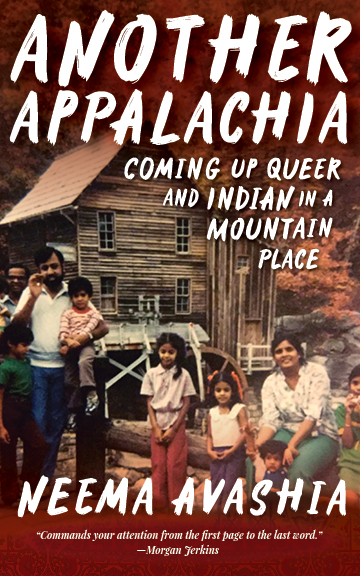
    Another Appalachia: Coming Up Queer and Indian in a Mountain Place

    by Neema Avashia

    Originally a book club pick, I highly recommend this short memoir of essays that reveals universal experiences through extremely specific life events. I loved reading about the intersection between Indian and Appalachian cultures and how the dynamic has shifted in the last couple decades. The author has such a love for her hometown while also feeling desperate to move on from it in a way that I think a lot of queer folks from rural spaces can relate to.


    Like a Love Story

    by Abdi Nazemian

    I put this beside Aristotle and Dante’s Discover the Secrets of the Universe in terms of being one of my favorite queer YA novels. It’s a story of friendship, young love, and community set in late 1980s New York City. That timeline means that the AIDS epidemic is front and center here, and reading this made me realize how rarely I see this time period reflected in YA novels. It’s such a necessary part of queer history to be told and retold, and this book really highlights how hard and scary it would be to explore and understand your sexuality in the midst of the crisis. While the context is necessarily dark, the story itself is uplifting, sweet, and moving.


    Alright, that’s me done playing catch up! From now on I should be able to get back into individual reviews.

  • When Women Were Dragons by Kelly Barnhill

    When Women Were Dragons by Kelly Barnhill

    Genre | Fantasy
    Page #s | 352
    Publishing Date | May 2022

    Alex Green is a young girl in a world much like ours, except for its most seminal event: the Mass Dragoning of 1955, when hundreds of thousands of ordinary wives and mothers sprouted wings, scales, and talons; left a trail of fiery destruction in their path; and took to the skies. Was it their choice? What will become of those left behind? Why did Alex’s beloved aunt Marla transform but her mother did not? Alex doesn’t know. It’s taboo to speak of.

    Forced into silence, Alex nevertheless must face the consequences of this astonishing event: a mother more protective than ever; an absentee father; the upsetting insistence that her aunt never even existed; and watching her beloved cousin Bea become dangerously obsessed with the forbidden.

    In this timely and timeless speculative novel, award-winning author Kelly Barnhill boldly explores rage, memory, and the tyranny of forced limitations. When Women Were Dragonsexposes a world that wants to keep women small—their lives and their prospects—and examines what happens when they rise en masse and take up the space they deserve.

    Goodreads

    This magical realism historical novel was slow-to-start, but stick with it! When Women Were Dragons packs a punch, conveying powerful messages about patriarchy, feminism, and political silencing into a story about a young lesbian woman growing up in a world that refuses to acknowledge that women can dragon.

    Yes, that means women turn into dragons! Here, dragoning represents a woman’s inner rage at being constricted in a patriarchal world as well as her inner joy at being fully herself. It’s beautiful, scary, and complicated, and the book’s setting in the 1950s highlights the limited options for women while also feeling annoyingly timeless. The more things change, etc.

    At first, I could not fathom how this fictional society managed to ignore something as huge as women turning into dragons, but parallels are explicitly drawn between this and other female experiences that we ignore, like menstruation, menopause, and miscarriages. The absurdity of ignoring dragons highlights the absurdity of our own world and the things we do not speak about.

    I read this book for a book club, and it is one of those rare books that was both widely enjoyed AND provided a lot of conversational fodder. (I don’t know about you, but usually enjoyed books fade away after “I liked it” while books that weren’t enjoyed can be talked about endlessly.) I still think about it months after reading it, and I’m eager to read more of Barnhill’s work!

    Small note: I do want to point out something I appreciated in this story, that while it is female-focused, dragoning is not bioessentialist. Hurray for feminist texts that are not trans-exclusionary!

    Who Do I Recommend This Book To?

    If you liked The Power, then When Women Were Dragons is likely going to be right up your alley!

    Check out our Queer Lil Library for more book recommendations and reviews!

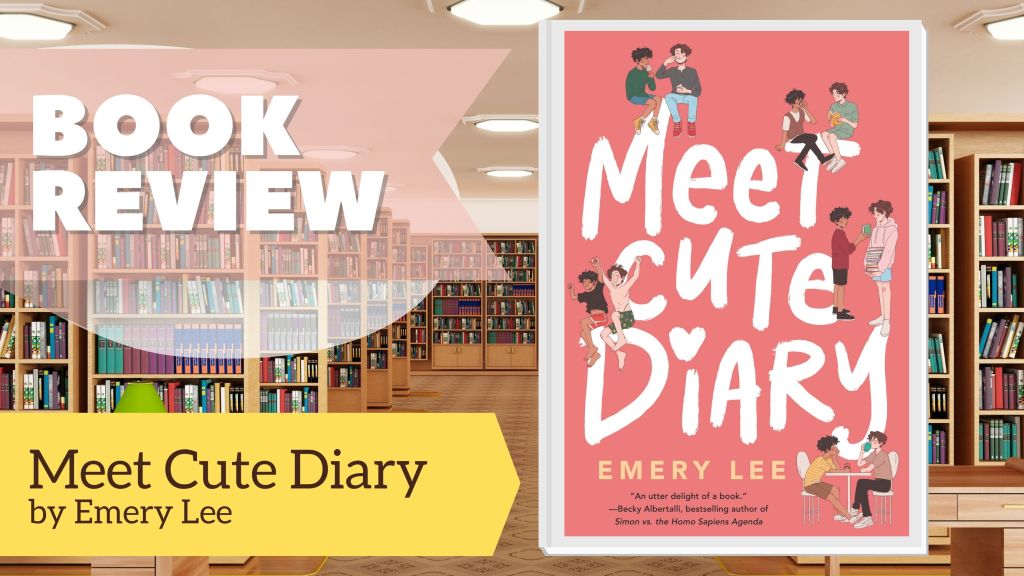
  • Meet Cute Diary by Emery Lee

    Meet Cute Diary by Emery Lee

    Genre | Contemporary YA Fiction
    Page #s | 391
    Publishing Date | May 2021

    Noah Ramirez thinks he’s an expert on romance. He has to be for his popular blog, the Meet Cute Diary, a collection of trans happily ever afters. There’s just one problem—all the stories are fake. What started as the fantasies of a trans boy afraid to step out of the closet has grown into a beacon of hope for trans readers across the globe.

    When a troll exposes the blog as fiction, Noah’s world unravels. The only way to save the Diary is to convince everyone that the stories are true, but he doesn’t have any proof. Then Drew walks into Noah’s life, and the pieces fall into place: Drew is willing to fake-date Noah to save the Diary. But when Noah’s feelings grow beyond their staged romance, he realizes that dating in real life isn’t quite the same as finding love on the page.

    In this charming novel by Emery Lee, Noah will have to choose between following his own rules for love or discovering that the most romantic endings are the ones that go off script.

    Goodreads

    By now, y’all know I love a fake dating trope. What I love even more is a book that deconstructs and questions the fake dating trope, which is exactly what Meet Cute Diary does!

    Noah is a young trans man who has exacting ideas about how love works, and all of those ideas are simplified and hyper-romantic. It’s right on target with how my teenaged brain thought of relationships, and Noah has an extra level of empathy because he just wants to believe that love is possible for trans kids. However, you may not be surprised to learn that the point of this book is upending Noah’s ideas of a Perfect Romance in favor of something messier, more complicated, and ultimately, more fulfilling.

    There was a lot to like about this book. The central plot about falling in love while spending the summer with your older brother in a new city is always fun, especially when you throw a summer camp into the mix. But the reason this book hit a different level of appreciation for me is how it layered complexity into a traditional romantic romp.

    For instance, one of our supporting characters offers a surprisingly deep portrayal of gender identity exploration as complicated by anxiety and panic attacks. There was also a fairly nuanced portrayal of online cancel culture; Noah’s blog falsely portrays his fantasies as true stories. While his followers are technically right in their complaints, the way they abandon ship (with PITCH PERFECT comments) is excruciating, as is his desperation to save himself. I love a plot where no one is right, and the whole thing has to be thrown out so something new can begin.

    Where this book faltered a little for me is Noah himself. Similar to Neil in The Feeling of Falling in Love, Noah is self-absorbed and a little cruel. This especially comes to light in his long-distance friendship, and I couldn’t help wondering why so many people wanted to be friends with this kid! He does grow, but this is not a protagonist that I want to hang out with in real life. Maybe this is just teens – cynicism and egotism is often the way we are at that age.

    A fun twist on an old favorite, Meet Cute Diary is a good time with some interesting things to say.

    Who Do I Recommend This Book To?

    Share Meet Cute Diary with someone who could use a primer in how to handle a person asking them to use new pronouns.

    Check out our Queer Lil Library for more book recommendations and reviews!

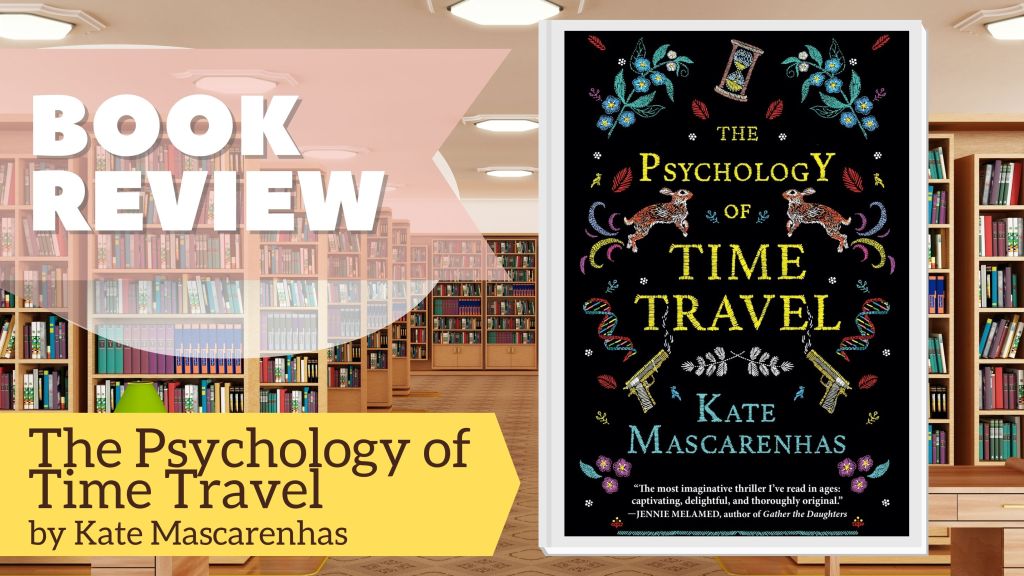
  • The Psychology of Time Travel by Kate Mascarenhas

    The Psychology of Time Travel by Kate Mascarenhas

    Genre | Science Fiction
    Page #s | 336
    Publishing Date | August 2018

    In 1967, four female scientists worked together to build the world’s first time machine. But just as they are about to debut their creation, one of them suffers a breakdown, putting the whole project—and future of time travel—in jeopardy. To protect their invention, one member is exiled from the team—erasing her contributions from history.

    Fifty years later, time travel is a big business. Twenty-something Ruby Rebello knows her beloved grandmother, Granny Bee, was one of the pioneers, though no one will tell her more. But when Bee receives a mysterious newspaper clipping from the future reporting the murder of an unidentified woman, Ruby becomes obsessed: could it be Bee? Who would want her dead? And most importantly of all: can her murder be stopped?

    Traversing the decades and told from alternating perspectives, The Psychology of Time Travelintroduces a fabulous new voice in fiction and a new must-read for fans of speculative fiction and women’s fiction alike.

    Goodreads

    Books about time travel often make my head hurt when they try too hard to explain paradoxes and the limitations of their particular science (give me a Doctor Who shrug at the science any day). Luckily, there were very few instances in which The Psychology of Time Travel did this to me; instead, as the title suggests, this book is far more concerned with how time travel would affect people’s lives, personalities, and relationships.

    The book is told from multiple points of view and from multiple points in time as we slowly put together the pieces of, essentially, a murder mystery. This means it will likely take you awhile to fully sink into the story, as it takes time to care about all of the characters and realize how they interconnect. Once some of those “Oh! She’s that character’s mother!” moments happen, I was hooked and couldn’t stop.

    Undoubtedly the best part of this book is that it is 95% female characters. The people who invented time travel? Four women. The detectives, love interests, and professionals that we meet? Women! There are maybe two men in the whole book that I can think of, and they are given lovely little side roles as the husbands of powerful and interesting women. I live!

    Who Do I Recommend This Book To?

    If you like time travel and favor a book that offers a wide array of complex characters to meet and care for (or not), The Psychology of Time Travel is for you!

    Check out our Queer Lil Library for more book recommendations and reviews!

  • Astrid Parker Doesn’t Fail by Ashley Herring Blake

    Astrid Parker Doesn’t Fail by Ashley Herring Blake

    Genre | Contemporary Fiction Romance
    Page #s | 400
    Publishing Date | November 2022

    For Astrid Parker, failure is unacceptable. Ever since she broke up with her fiancé a year ago, she’s been focused on her career–her friends might say she’s obsessed, but she knows she’s just driven. When Pru Everwood asks her to be the designer for the Everwood Inn’s renovation, which will be featured on a popular HGTV show, Innside America, Astrid is thrilled. Not only will the project distract her from her failed engagement and help her struggling business, but her perpetually displeased mother might finally give her a nod of approval. 

    However, Astrid never planned on Jordan Everwood, Pru’s granddaughter and the lead carpenter for the renovation, who despises every modern design decision Astrid makes. Jordan is determined to preserve the history of her family’s inn, particularly as the rest of her life is in shambles. When that determination turns into some light sabotage to ruffle Astrid’s perfect little feathers, the showrunners ask them to play up the tension. But somewhere along the way, their dislike for each other evolves into something quite different, and Astrid must decide what success truly means. Is she going to pursue the life that she’s expected to lead or the one that she wants?

    Goodreads

    I am so glad that Blake turned her Delilah Green Doesn’t Care success into a romance novel series about a gaggle of queer friends finding love in the Pacific Northwest. Choosing Astrid (Delilah’s seemingly straight, uptight foil) as the protagonist for the second book was, in my opinion, inspired! So much about this book was designed especially for me:

    • A perfectly put together woman who is one bad day away from falling apart…and finding freedom in failure.
    • A late-in-life queer discovery
    • Enemies to lovers trope

    For someone else, the setting being an HGTV-equivalent project would also be on that list. Basically, this is a good time! I loved it!

    Astrid and Jordan have great chemistry throughout, whether they’re arguing about design choices or navigating their budding attraction toward each other. Blake does such a good job of creating fully realized characters, and showing how Astrid and Jordan’s past relationships affected their fears and insecurities going into a new one was handled really well.

    One of my biggest gripes with romance novels is that the Final Twist that attempts to break up the new lovers before Love Saves the Day often feels like a soulless plot device that’s only there because it’s “supposed” to be. Although I felt shades of that in the “villain” of this book, I mostly found the conflict believable and, most importantly, plot relevant! It developed the characters further and led to a reunion that actually felt earned and better than what had existed before.

    Who Do I Recommend This Book To?

    If you’re looking for a fun, light-hearted, spicy romance novel, you MUST put Astrid Parker Doesn’t Fail on your TBR list.

    Check out our Queer Lil Library for more book recommendations and reviews!

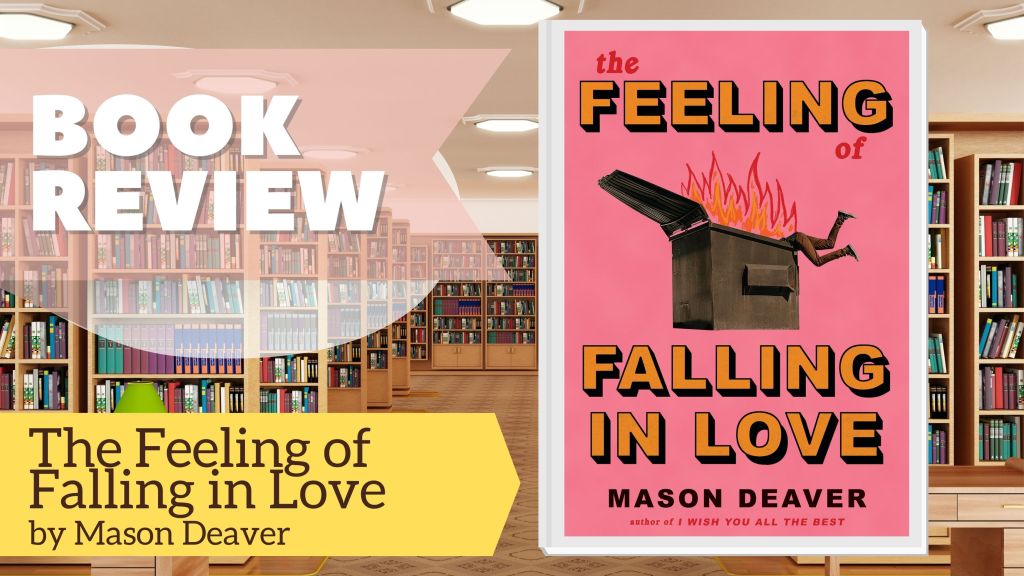
  • The Feeling of Falling in Love by Mason Deaver

    The Feeling of Falling in Love by Mason Deaver

    Genre | Contemporary YA Fiction
    Page #s | 343
    Publishing Date | August 2022

    Just days before spring break, Neil Kearney is set to fly across the country with his childhood friend (and current friend-with-benefits) Josh, to attend his brother’s wedding—until Josh tells Neil that he’s in love with him and Neil doesn’t return the sentiment.

    With Josh still attending the wedding, Neil needs to find a new date to bring along. And, almost against his will, roommate Wyatt is drafted.

    At first, Wyatt (correctly) thinks Neil is acting like a jerk. But when they get to LA, Wyatt sees a little more of where it’s coming from. Slowly, Neil and Wyatt begin to understand one another… and maybe, just maybe, fall in love for the first time…

    Goodreads

    I love a book with a fake dating trope, and there were elements of this story that really worked for me. Unfortunately, its extremely unlikeable protagonist, combined with some highly dubious personal development, made it impossible for me to sink fully into the joy of the trope.

    Neil is a classic self-hating teen who pushes people away when they get too close. He’s uncomfortably rude and selfish, but multiple people find him charming to the point of falling in love with him. I mean, this guy deliberately tracked mud into his dorm room when his roommate specifically asked him to be cleaner, and this roommate apparently is harboring a secret crush on Neil. WHY?

    Anyway, Neil wants to show his hookup Josh just how little he cares about him by pretending to date said roommate Wyatt. Despite JUST being terrified by relational intimacy, he falls in love with Wyatt while fake dating him for approximately three days. He does become marginally nicer, largely because Wyatt insists he be treated with kindness. His character growth also applies to his family, who he loudly complains about throughout his brother’s wedding week until realizing that perhaps they are complex human beings. BUT THEN! Neil attempts a supposedly romantic gesture that just made me think he was as selfish as he’s always been, resulting in an entirely unsatisfactory ending.

    I didn’t love this, if you couldn’t tell. But I did read it quickly, and it’s got some wonderful queer representation and themes in the form of Neil, a trans man, and Wyatt, a pansexual genderqueer kid. We also get some heartbreakingly accurate family dynamics between transphobic grandparents and parents who don’t do enough to defend their kid. That stuff was all great. The plot? Less so.

    Check out our Queer Lil Library for more book recommendations and reviews!

  • All the (Silmarillion) Feels | Chapter 9: Of the Flight of the Noldor

    All the (Silmarillion) Feels | Chapter 9: Of the Flight of the Noldor

    All the (Silmarillion) Feels is an emotion- and story-focused summary of The Silmarillion. You’ll get facts, but that’s not the point here. Let’s talk themes, meaningful quotes, and moments that made us go “WHOA.” I started this project after falling in love with The Rings of Power television show, so expect me to focus on things to do with Galadriel and Sauron.


    Chapter 9: Of the Flight of the Noldor

    We’re diving into morally complex characters, overly-hasty oaths, and a return to Middle-earth!

    Melkor Becomes Morgoth

    After Melkor and Ungoliant team up to take down the Light of the Trees of Valinor, they continue wreaking havoc by killing Finwë, King of the Noldor Elves and stealing Fëanor’s precious Silmarils before escaping across the northern ice wastes back to his old fortress of Angband.

    Ungoliant is hunger personified, and the Light of the Trees is not enough to satiate her. She wants to eat all the plunder they stole from Valinor, which Melkor feeds her until it comes to the Silmarils, which he will not give her. She hates this, and TRAPS MELKOR IN HER WEBS! Melkor is the biggest bad around, we’re told; he was there during the creation of the world, messing things up, and here he is being trapped by a spider! All hail Ungoliant, our Dark Queen. The only thing that saves Melkor is his cries for help, which awakens his old friends the Balrogs. They use their whips of fire to free him and chase Ungoliant off. She heads south, where:

    “Of the fate of Ungoliant no tale tells. Yet some have said that she ended long ago, when in her uttermost famine she devoured herself at last.”

    The Silmarillion, page 87

    RIP Ungoliant.

    Melkor pretends this never happened and makes a crown for himself using the Silmarils. They burn his hands and the crown is heavy, but fashion is pain. He settles into his evil abode with a new name (from Fëanor): Morgoth, the Black Foe of the World.

    Bound by an Oath

    You would think Fëanor would come across pretty sympathetically here, as his dad was just murdered and his work of a lifetime was stolen from him. Unfortunately, he JUST set a precedent for not giving a shit about these sorts of things.

    You see, Yavanna is lamenting the loss of the Trees, her greatest creation, when she realizes that she could perhaps remake them if Fëanor would allow her to use the Silmarils (they are crafted from the Light of the Trees). Faced with a world of literal darkness with the opportunity to be a hero by providing some light, Fëanor says no.

    It’s a real whoopsie, because he pretty much immediately thereafter learns that Morgoth has stolen his Silmarils. If he hadn’t just been so miserly, the Valar might have helped him recover them from Morgoth. They understandably do not, and Fëanor’s paranoia and rage coalesce into the Oath that will drive the rest of this book.

    “They swore an oath…vowing to pursue with vengeance and hatred to the ends of the World Vala, Demon, Elf or Man as yet unborn or any creature, great or small, good or evil, that time should bring forth unto the end of days, whoso should hold or take or keep a Silmaril from their possession.”

    The Silmarillion page 90

    Fëanor swears by this Oath, and so do his seven sons. A bunch of the other Noldor are drawn into the high emotion of it all, some making the Oath and others going along for family but with mixed feelings. Among them is Galadriel, who “was eager to be gone. No oaths she swore, but the words of Fëanor concerning Middle-earth had kindled in her heart, for she yearned to see the wide unguarded lands and to rule there a realm at her own will.” I love an ambitious woman!

    From Worse to Worser

    There’s a real mob mentality going on by this point, and Fëanor goes to the sea-loving latecomer Elves, the Teleri, to use their ships to sail to Middle-earth. They are super bummed by all that has gone down, and they try to calm everyone down and repair rather than revenge. This is the last thing Fëanor wants, so he attacks the Elves at the harbor and steals their ships. We went from centuries of peace to brothers pointing swords at each other to full on murder REAL fast.

    Tolkien does such a good job of showing how whipping people into a frenzy spirals out of control and leads people to acts they would normally not commit. When the less spicy Noldor see Elves fighting each other by the ships, they assume the Teleri started things because they’ve bought into Fëanor’s paranoia that everyone is out to get them. They have to live with the fact that they became murderers because they followed a madman.

    I also want to point out the hypocrisy of Fëanor. His whole deal is that these Silmarils are his life work, and he’ll do anything to keep them. But Yavanna feels the same way about the Trees, and he rebuffed her. And Olwë feels the same way about his ships, but Fëanor steals them. His needs supersede everyone else’s.

    The bonds of family don’t even matter to him (which isn’t actually much of a surprise if you’ve been keeping track), because he winds up leaving behind a bunch of his followers because there are too few ships. No discussion, no compromise, just Fëanor and his sons sailing easily to Middle-earth and BURNING THE SHIPS rather than going back for everyone else. Fingolfin, Finrod, and Galadriel cross the ice wastes, and by the time they reach Middle-earth, they have little love left for Fëanor.

    A Doom Pronounced

    This all got pretty dire, and the Valar are unhappy, to say the least. They are also unhelpful, which I hate every time they see a problem and think, “We should wait.”

    However, the Valar do pronounce the Doom of the Noldor upon them as the Elves leave Valinor.

    “Their Oath shall drive them, and yet betray them, and ever snatch away the very treasures that they have sworn to pursue. To evil end shall all things turn that they begin will; and by treason of kin unto kin, and the fear of treason, shall this come to pass. The Dispossessed shall they be for ever.”

    The Silmarillion page 95-96

    That’s a good Greek mythology curse right there!


    Tune in next time to see what our great lovebirds Thingol and Melian have been up to, as well as a surprise appearance by the Dwarves in Middle-earth!

  • Lavender House by Lev AC Rosen

    Lavender House by Lev AC Rosen

    Genre | Mystery Historical Fiction
    Page #s | 274
    Publishing Date | October 2022

    A delicious story from a new voice in suspense, Lev AC Rosen’s Lavender House is Knives Outwith a queer historical twist.

    Lavender House, 1952: the family seat of recently deceased matriarch Irene Lamontaine, head of the famous Lamontaine soap empire. Irene’s recipes for her signature scents are a well guarded secret—but it’s not the only one behind these gates. This estate offers a unique freedom, where none of the residents or staff hide who they are. But to keep their secret, they’ve needed to keep others out. And now they’re worried they’re keeping a murderer in. 

    Irene’s widow hires Evander Mills to uncover the truth behind her mysterious death. Andy, recently fired from the San Francisco police after being caught in a raid on a gay bar, is happy to accept—his calendar is wide open. And his secret is the kind of secret the Lamontaines understand. 

    Andy had never imagined a world like Lavender House. He’s seduced by the safety and freedom found behind its gates, where a queer family lives honestly and openly. But that honesty doesn’t extend to everything, and he quickly finds himself a pawn in a family game of old money, subterfuge, and jealousy—and Irene’s death is only the beginning. 

    When your existence is a crime, everything you do is criminal, and the gates of Lavender House can’t lock out the real world forever. Running a soap empire can be a dirty business.

    Goodreads

    Sometimes you don’t even realize a genre needs a queer spin until you suddenly read a book that makes you think, “Oh, this is perfect!” That was Lavender House for me. Telling a murder mystery set in the 1950s from the perspective of a queer cop-turned-private-investigator gave new meaning to many tropes. Why is the PI so jaded? Because he’s a newly outed gay man who lives in a homophobic society and risks daily harassment or worse! Why is the location he’s hired to work in strangely remote and isolated? Because it’s a found family of queer people who do their best to avoid the attention of the outside world! It all makes sense.

    Rosen is a very engaging storyteller. Where the other book of his that I’ve read (Camp) was lighthearted, Lavender House is darker but no less propulsive. I really admired the way he told a story focused on queer people but in a way that felt historically accurate. As for the mystery itself, the hints and twists were fun. Not, to my mind, groundbreaking or entirely surprising, but the story told along the way made up for a so-so reveal.

    As in any murder mystery, the cast of characters makes or breaks the story, and I loved the characters in the Lavender House estate. Whether family or staff, each person on site has a story or secret that could be motivation for murder. I especially liked seeing how gay men, lesbians, and people of varying ages found a way to make peace with their voluntary self-isolation and closeted public existences.

    This is apparently the first of a series, and I cannot wait to see more Evander Mills solving gay crimes. Very fun twist on a classic genre.

    Who Do I Recommend This Book To?

    If you like a quick murder mystery or enjoy reading about queer people surviving in different time periods, check out Lavender House!

    Check out our Queer Lil Library for more book recommendations and reviews!

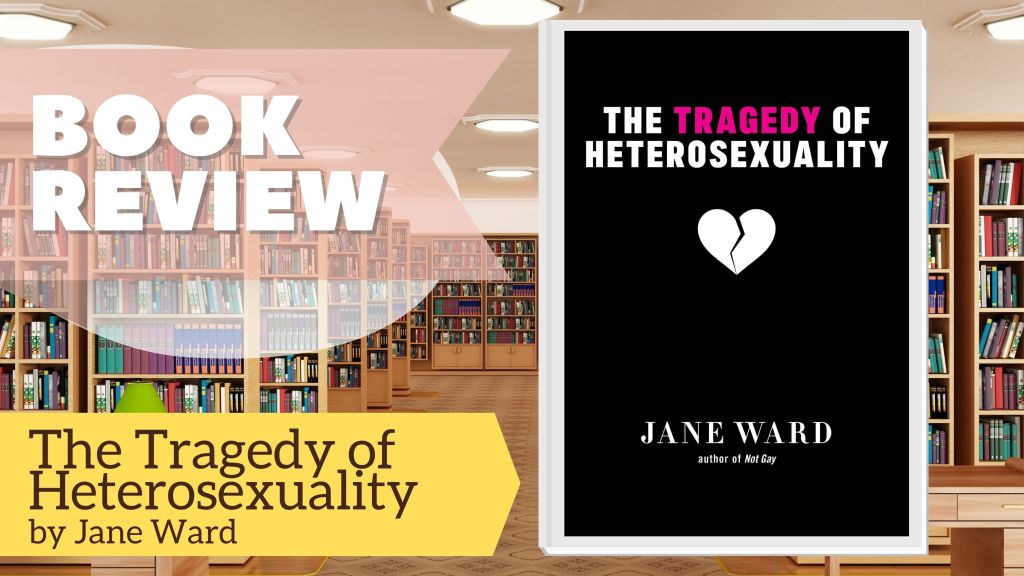
  • The Tragedy of Heterosexuality by Jane Ward

    The Tragedy of Heterosexuality by Jane Ward

    Genre | Nonfiction
    Page #s | 216
    Publishing Date | September 2020

    Heterosexuality is in crisis. Reports of sexual harassment, misconduct, and rape saturate the news in the era of #MeToo. Straight men and women spend thousands of dollars every day on relationship coaches, seduction boot camps, and couple’s therapy in a search for happiness.

    In The Tragedy of Heterosexuality, Jane Ward smartly explores what, exactly, is wrong with heterosexuality in the twenty-first century, and what straight people can do to fix it for good. She shows how straight women, and to a lesser extent straight men, have tried to mend a fraught patriarchal system in which intimacy, sexual fulfillment, and mutual respect are expected to coexist alongside enduring forms of inequality, alienation, and violence in straight relationships.

    Ward also takes an intriguing look at the multi-billion-dollar self-help industry, which markets goods and services to help heterosexual couples without addressing the root of their problems. Ultimately, she encourages straight men and women to take a page out of queer culture, reminding them “about the human capacity to desire, fuck, and show respect at the same time.”

    Goodreads

    With a title like The Tragedy of Heterosexuality, I was expecting a satirical, comedic take on the sad state of straight people. What I got instead was an academic treatise on the historical and social forces at work to create imbalanced and dangerous heterosexual dynamics and a feminist lesbian solution, and I loved it!

    The conditions of patriarchy have long damaged men’s desire for women, and women’s for men, such that heterosexuality, as a sexual orientation, was always already a contradiction. Women were too inferior, too degraded, for men to actually like. Women could be sexually desired, and they could be paternalistically loved; but they could not be engage as autonomous, self-determining humans in the way that men related to other men.

    The Tragedy of Heterosexuality

    The current iteration of heterosexuality (Ward walks readers through the historical shifts in male/female relationships over the past century, as well as the self-help books written to fix inherent problems therein) has a single, enormous flaw at the center of it: the misogyny paradox. Straight men are sexually attracted to women within a culture that belittles and insults them. This is why a guy can go from “You look beautiful today!” to “Learn to take a compliment, you bitch!” when his cat-calling goes unanswered.

    Most of the book is spent digging into all of the ways in which straight men and women have to work against stereotype in order to enjoy each other’s company; it’s grim but compelling. I read this a couple weeks after a friend of mine told me, “I know being gay isn’t a choice because I wouldn’t be straight if I had a choice. In my past relationships, I’ve been abused by more than half of my boyfriends, but I just keep being attracted to men.”

    “I am so lucky to have one of the good ones,” they say. Meanwhile, may of us queers are thinking, “That’s what counts as good?” We also know that the answer is yes, it is what counts as good, because as the folks quoted above explain, many straight men are violent and unpredictable.

    The Tragedy of Heterosexuality

    Although it was only a small portion of the book, I especially enjoyed the end when Ward shares ideas of how straight men can learn from lesbians as both share an attraction to women. Queer women tend to love women, with their weight gains and body hair and uniquenesses. Straight men, or straight male culture if we’re being generous and vague, love women who have waxed, dyed, and altered themselves.

    Of course, queer people and queer relationships are not inherently better than straight relationships, a point which Ward makes frequently. The difference comes from the fact that queer relationships operate outside of the system of tradition and assumptions that hamstring straight couples, even those who want to be progressive and feminist.

    Perhaps queers are doing no better, as many of us also lie, cheat, and engage in no end of painful behavior. But the thing about heterosexual misery that makes it so irreducible to human foible is that straight relationships are rigged from the start. Straight culture, unlike queer culture, naturalizes and often glorifies men’s failures and women’s suffering.

    The Tragedy of Heterosexuality

    I loved this book; it inspired a ton of conversations with my partner (my favorite of the moment is thinking through the difference between objectifying and subjectifying someone). At the heart of my love, I come back to what first drew me to this book. The title makes it clear that we’re flipping the script. Instead of assuming heterosexuality is the good and right default, queer relationships are allowed to take center stage as experiences full of meaning and wisdom that can be shared with our straight friends.

    Who Do I Recommend This Book To?

    If you’re a queer woman and a feminist and you like academic reading, run (don’t walk) to The Tragedy of Heterosexuality! And then talk to me about it!

    Check out our Queer Lil Library for more book recommendations and reviews!

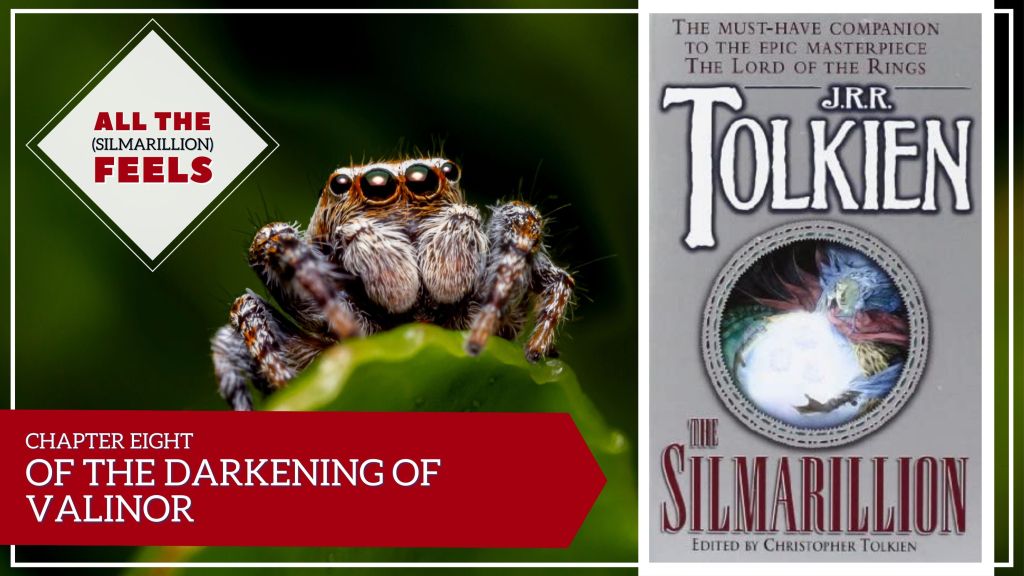
  • All the (Silmarillion) Feels | Chapter 8: Of the Darkening of Valinor

    All the (Silmarillion) Feels | Chapter 8: Of the Darkening of Valinor

    All the (Silmarillion) Feels is an emotion- and story-focused summary of The Silmarillion. You’ll get facts, but that’s not the point here. Let’s talk themes, meaningful quotes, and moments that made us go “WHOA.” I started this project after falling in love with The Rings of Power television show, so expect me to focus on things to do with Galadriel and Sauron.


    Chapter 8: Of the Darkening of Valinor

    Have you been thinking that what The Silmarillion needs is a little dose of horror? Then this is the chapter for you!

    Introducing Ungoliant, Shelob’s Spider Mommy!

    Melkor/Morgoth fled Valinor after his manipulations were made known, but he evaded pursuit and made his way south to find an ally in Ungoliant, an evil spirit who seems to have chosen to exist in monstrous spider form. Intriguingly, no one knows where she came from or how she was created, which gives me some really great Eldritch horror, from-beyond-the-stars vibes. Her evil is presented in classic Tolkien language, as she is “taking all things to herself to feed her emptiness” for she “hungered for light and hated it.” Like calls to like, and Melkor sees someone who can do him a solid.

    There is a lot of foreshadowing in this chapter, and it’s pretty much all negative, so let’s track it this way:

    DOOM #1:

    In exchange for her help, Melkor promises Ungoliant: “Do as I bid; and if thou hunger still when all is done, then I will give thee whatsoever thy lust may demand. Yea, with both hands.”

    Not a great vow to make with an eternally hungry creature, I’d say.

    Parties, Reconciliation, and More Promises

    Meanwhile, the Valar and Elves are partying. There are no natural seasons in Valinor, but Yavanna creates blooming and harvesting experiences because why not? Everyone likes a festival.

    The Valar invite everyone to join the party, but Fëanor is exiled. They command him to come anyway, hoping to create some good feelings between the estranged half-brothers, but their father King Finwë declines to attend the party to show where his loyalties lie (with Fëanor).

    Fëanor is a drama queen about it all, refusing to wear fancy clothes to the fancy festival, and remaining silent when he meets with Fingolfin. But the younger Elf tries to restore their family bond with a promise that is, you guessed, it:

    Doom #2

    Before the Valar, the two Elves clasp hands, and Fingolfin says, “Half-brother in blood, full brother in heart will I be. Thou shalt lead and I will follow. May no new grief divide us.”

    Sounds really nice! I sure hope Fëanor isn’t the sort of Elf who will take advantage of such a vow.

    The Great Unlight

    While everyone is distracted by family drama, Morgoth and Ungoliant are booking it to the Two Trees which light all of Valinor. Morgoth stabs the trees, and Ungoliant slurps up their light. In a very nice touch, not only does this plunge the land into darkness, it creates an Unlight.

    The Light failed; but the Darkness that followed was more than loss of light. In that hour was made a Darkness what seemed not lack but a thing with being of its own; for it was indeed made by malice out of Light, and it had power to pierce the eye, and to enter heart and mind, and strangle the very will.”

    The Silmarillion, page 81

    Sounds like a Doctor Who monster!

    With the death of the Trees, the festival and Valinor itself falls into chaos so great that Morgoth and Ungoliant easily escape.


    Tune in next time to see if Ungoliant is still hungry…

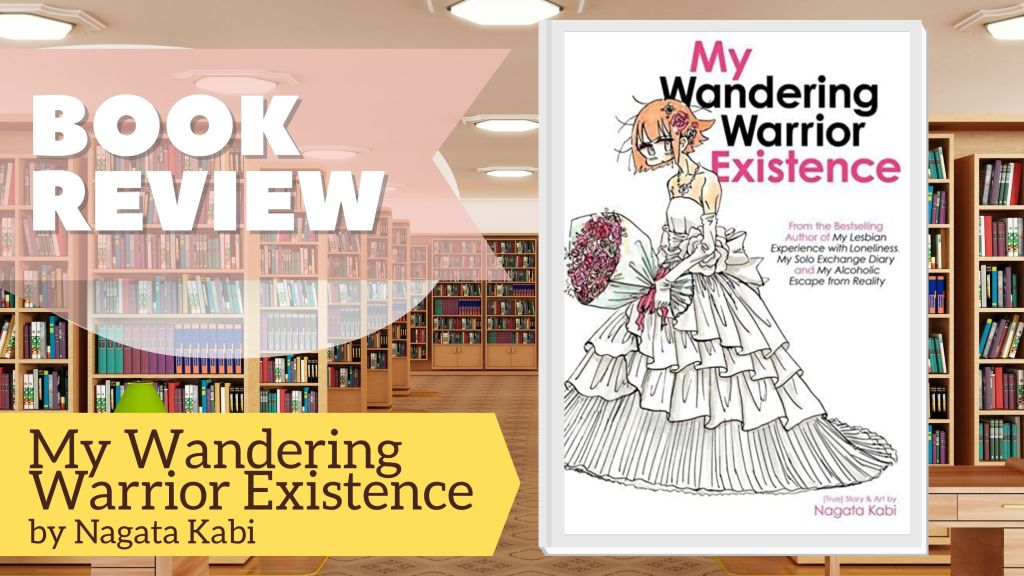
  • My Wandering Warrior Existence by Nagata Kabi

    My Wandering Warrior Existence by Nagata Kabi

    Genre | Graphic Novel Memoir
    Page #s | 128
    Publishing Date | February 2021

    Nagata Kabi, the award-winning creator of My Lesbian Experience with Loneliness, embarks on a search for romance in this brand-new diary comic! 

    Nagata Kabi’s groundbreaking autobiographical work has captivated audiences around the globe, starting with the viral online comic about identity that would become the graphic novel My Lesbian Experience with Loneliness. Readers from all backgrounds have been moved by the author’s ability to capture complex emotions through her art and text, giving insight into feelings they may have struggled to articulate themselves. Nagata Kabi’s memoirs, including the Eisner-nominated My Solo Exchange Diary and new release My Alcoholic Escape From Reality, have explored themes of physical and mental illness, sex and sexuality, family, and independence. Follow the newest installment of this trailblazing series with My Wandering Warrior Existence, Nagata Kabi’s exploration of longing for love and marriage.

    Goodreads

    My Wandering Warrior Existence is an uncomfortably relatable book for anyone who struggles with identity and intimacy while watching the majority of other people happily and easily love each other. Kabi’s self-reflections are honest, poignant, and in medias res – i.e., there are no real answers here.

    Although Kabi’s story begins in her earlier manga memoirs, this particular story begins when a friend’s wedding inspires her to book a wedding dress photo shoot, believing this will fulfill some nebulous core need. Instead, it leaves her feeling worse than ever before and opens up a whole new series of doubts and questions. It isn’t the trappings of a wedding that she craves, but the intimacy and relationship that it represents.

    Unfortunately, like many of us, knowing what she wants doesn’t make it any easier for Kabi to obtain it. As a perpetually single person until I was 30, I related SO HARD to her general bafflement about how people coupled up and why she couldn’t seem to get on the same level. Although there is a general vibe of self-hatred (or more generously, self-discomfort) that sometimes felt uncomfortable to me, I really appreciated the way Kabi is able to dissect her experiences in pictorial form, especially her realization about all of the hurdles that stand between her and a romantic relationship.

    Queerness positively drips from the pages, as Kabi questions her sexual identity, gender identity, and experience of the world in general. This is not a book about labels so much as an embracing of the questions of queerness, and I think that’s a very valuable offering of the queer experience.

    Who Do I Recommend This Book To?

    If you are, or have been, a person who felt outside of traditional relationship structures, you’re likely to find something to relate to in My Wandering Warrior Existence.

    Check out our Queer Lil Library for more book recommendations and reviews!