Tag: Muslim

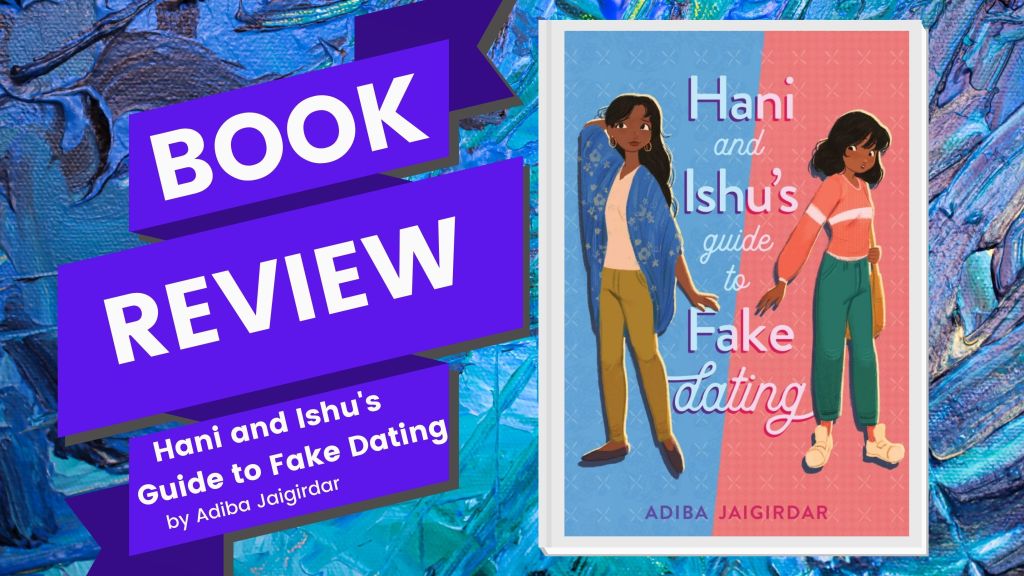
  • Hani and Ishu’s Guide to Fake Dating by Abida Jaigirdar

    Hani and Ishu’s Guide to Fake Dating by Abida Jaigirdar

    Genre | YA Contemporary Fiction
    Page #s | 352
    Publishing Date | May 2021

    Everyone likes Humaira “Hani” Khan—she’s easy going and one of the most popular girls at school. But when she comes out to her friends as bisexual, they invalidate her identity, saying she can’t be bi if she’s only dated guys. Panicked, Hani blurts out that she’s in a relationship…with a girl her friends absolutely hate—Ishita “Ishu” Dey. Ishu is the complete opposite of Hani. She’s an academic overachiever who hopes that becoming head girl will set her on the right track for college. But Ishita agrees to help Hani, if Hani will help her become more popular so that she stands a chance of being elected head girl.

    Despite their mutually beneficial pact, they start developing real feelings for each other. But relationships are complicated, and some people will do anything to stop two Bengali girls from achieving happily ever after.

    Goodreads

    I have been reading a surprising amount of fake dating books lately (yay!) and this is one of the best. Hani and Ishu get to know each other through pretending to date – before that, they were schoolmates with only one shared class, a cultural similarity that actually drove them away from each other, and a lack of awareness as to each other’s compatible sexuality. As they spend time together, they start to like each other, but they’re teenagers and it’s awkward! I loved every page of this quick read, and I highly recommend it to any other fans of the fake dating trope.

    As I mentioned earlier, both Hani and Ishu live in Ireland, but their families moved there from India. When the book starts, they stayed away from each other to avoid the stereotype of “you go together.” But as they start to date, it is a joy to watch them realize how nice it is to be around someone who understands their culture, family, and values. Although Hani’s family are Muslims and Ishu’s family are non-religious, they get each other in a way their fellow classmates can’t (or don’t, since their classmates are racist little ****heads). And before I move on from this, it was so lovely to read about a queer affirming Muslim family; Hani is already out to her parents before the book begins, and they support her relationship with Ishu from start to finish.

    The only thing that felt like a bit of stretch was just how horrible Hani’s friends are. They belittle her culture and her sexuality. In fact, their refusal to believe she is bisexual (“how do you know if you haven’t kissed a girl?” UGH) is what prompts her to claim she is dating Ishu. They are the worst! Although I am prepared to believe that teenagers can truly be that awful, I found it hard to stomach the thought that Hani could not see how terrible their treatment of her was. Regardless, it was a delight to watch her stand up for herself and finally put them in their place.

    In addition to terrible friends, we get unhealthy families. Ishu’s parents live vicariously through their daughters’ success, and Ishu and her older sister have always been at each other’s throats for their approval. Until the book begins, anyway, when her older sister drops out of college and becomes the black sheep of the family. I really liked watching Ishu navigate this new relationship – first with suspicion, and then with gratitude.

    Who Would I Recommend This Book To?

    Hani and Ishu’s Guide to Fake Dating is a cute, fast read that is perfect for anyone wanting a light-hearted, PG-rated sapphic romance.

    Rating: 4 out of 5.

    Check out our Queer Lil Library for more book recommendations and reviews!

  • We Have Always Been Here: A Queer Muslim Memoir by Samra Habib

    We Have Always Been Here: A Queer Muslim Memoir by Samra Habib

    How do you find yourself when the world tells you that you don’t exist?

    Samra Habib has spent most of her life searching for the safety to be herself. As an Ahmadi Muslim growing up in Pakistan, she faced regular threats from Islamic extremists who believed the small, dynamic sect to be blasphemous. From her parents, she internalized the lesson that revealing her identity could put her in grave danger.

    When her family came to Canada as refugees, Samra encountered a whole new host of challenges: bullies, racism, the threat of poverty, and an arranged marriage. Backed into a corner, her need for a safe space–in which to grow and nurture her creative, feminist spirit–became dire. The men in her life wanted to police her, the women in her life had only shown her the example of pious obedience, and her body was a problem to be solved.

    So begins an exploration of faith, art, love, and queer sexuality, a journey that takes her to the far reaches of the globe to uncover a truth that was within her all along. A triumphant memoir of forgiveness and family, both chosen and not, We Have Always Been Here is a rallying cry for anyone who has ever felt out of place and a testament to the power of fearlessly inhabiting one’s truest self.

    Goodreads

    An excellent memoir about the intersectionality of being Muslim and queer, written with honesty and directness. Habib’s story is one of restriction to freedom, including the freedom to return to the religion that imposed the original restrictions. After growing up in Pakistan, Habib and her family fled to Canada to escape religious persecution. She was married twice by the time she was 20, first in an arranged marriage to her cousin, and second to a friend who agreed to marry her primarily to provide her social security. As an adult, she began to accept her queerness, dating women, trans women, and gender non-binary folx. Having come to terms with her queer identity, she returned to Islam. She came out to her parents, who were also changed by their time in Canada, and discovered a mosque for LGBTQ+ Muslims. She developed a passion for sharing photographs of queer Muslims, giving a face to a population few realize exist.

    I think Habib is a remarkable woman, and I enjoyed this short memoir very much. However, it does suffer slightly from a common memoir issue: The stories of her childhood are fluid and concise. The nearer she gets to her current age, the more details are included, sometimes unnecessarily.

    The section that resonated with me most deeply was Habib’s description of traveling when she was newly out. She talks about the freedom of self-expression while traveling, of trying out a new identity in a place where no one knows the older versions of you. I have experienced that many times myself, and she expressed the joy and relief very well.

    I have to admit that before reading this book, I was one of those people who didn’t know much about queer Muslims. I knew that it was statistically likely that just as many people were queer in Muslim countries as in others, but I couldn’t point to any stories or people that I knew. I would love for Habib to write a book highlighting all of the queer Muslim folx that she interviewed – it would be hugely beneficial to me, and I assume to many others as well.

    Rating: 4 out of 5.

    Check out our Queer Lil Library for more book recommendations and reviews!