Author: Trish

  • Peter Darling by Austin Chant

    Peter Darling by Austin Chant

    Genre | Fantasy
    Page #s | 310
    Publishing Date | June 2021

    The Lost Boys say that Peter Pan went back to England because of Wendy Darling, but Wendy is just an old life he left behind. Neverland is his real home. So when Peter returns to it after ten years in the real world, he’s surprised to find a Neverland that no longer seems to need him.

    The only person who truly missed Peter is Captain James Hook, who is delighted to have his old rival back. But when a new war ignites between the Lost Boys and Hook’s pirates, the ensuing bloodshed becomes all too real – and Peter’s rivalry with Hook starts to blur into something far more complicated, sensual, and deadly.

    Goodreads

    Peter Darling is my first five-star book of 2023, and I think it will remain at the top of my favorites throughout the year because it is so exactly my kind of book. The original story of Peter Pan (both J.M. Barrie’s novel and the 2003 film) are dear to my heart for the way they handle escapism, emotional transitions, and loss. All of those themes are present in this reimagining/sequel, with the additional layer of a queer perspective.

    Set ten years after Peter Pan leaves Neverland, he returns as a 20-year-old desperate to reclaim his sense of self as the prince of an island, leader of the Lost Boys and equal adversary to Captain Hook. We slowly learn why he has come back, and you know what? I want to talk about this story clearly, so SPOILERS for a reveal that happens around page 50.

    We learn that Wendy is a trans boy who fled to Neverland to be who he always knew himself to be. Missing his parents, he returns to the Darling family, only to be forced back into his assigned sex at birth. When he returns to Neverland as a young man, he forgets where he came from and revels in the body and role he has always wanted. He also crashes back into a rivalry with Captain Hook that is Very Sexy and had me whiplashed with how quickly I shipped it. Hook is a gay man, because Neverland is the place where those rejected by society can be themselves, totally and freely. It’s so obvious I’m mad this is the first time I’ve thought of Neverland as a queer utopia.

    Peter’s fervor for battle and war, in this context, is portrayed as toxic masculinity that is a cheap and dangerous way for him to feel like a man. We also dive DEEP into the escapism metaphor, as Peter and Hook must decide whether to be the best versions of themselves they can be in Neverland, or return home and risk society’s judgment while being fully and completely themselves.

    Peter Darling captures all of the magic, drama, adventure, and emotionality found in Peter Pan. My soul ached while reading this, and just an hour after closing the book I was contemplating just diving back in for a reread. I cannot recommend this more!

    Who Do I Recommend This Book To?

    EVERYONE. If you love Peter Pan and if you are queer, you MUST read Peter Darling.

    Check out our Queer Lil Library for more book recommendations and reviews!
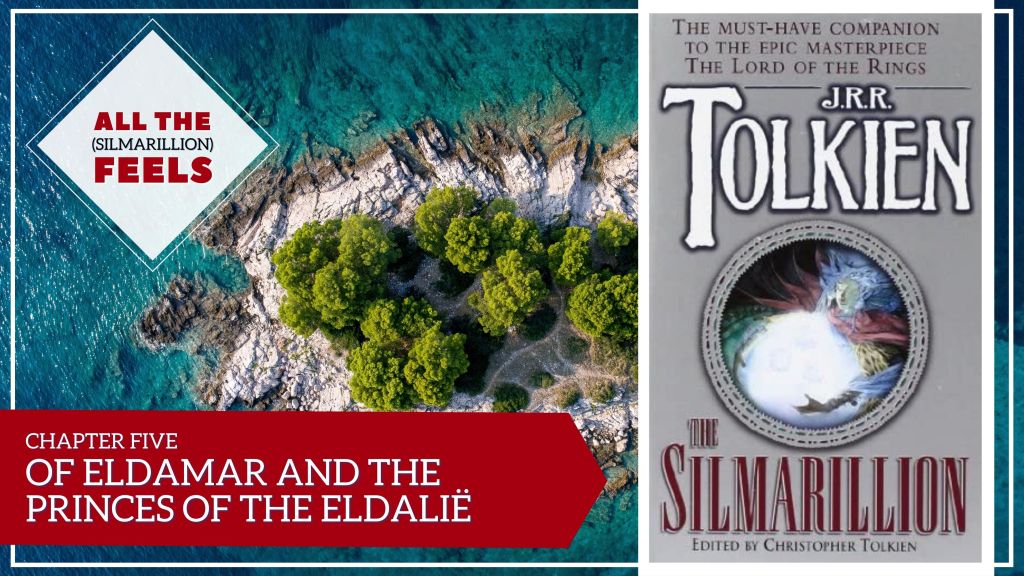
  • All the (Silmarillion) Feels | Chapter 5: Of Eldamar and the Princes of the Eldalië

    All the (Silmarillion) Feels | Chapter 5: Of Eldamar and the Princes of the Eldalië

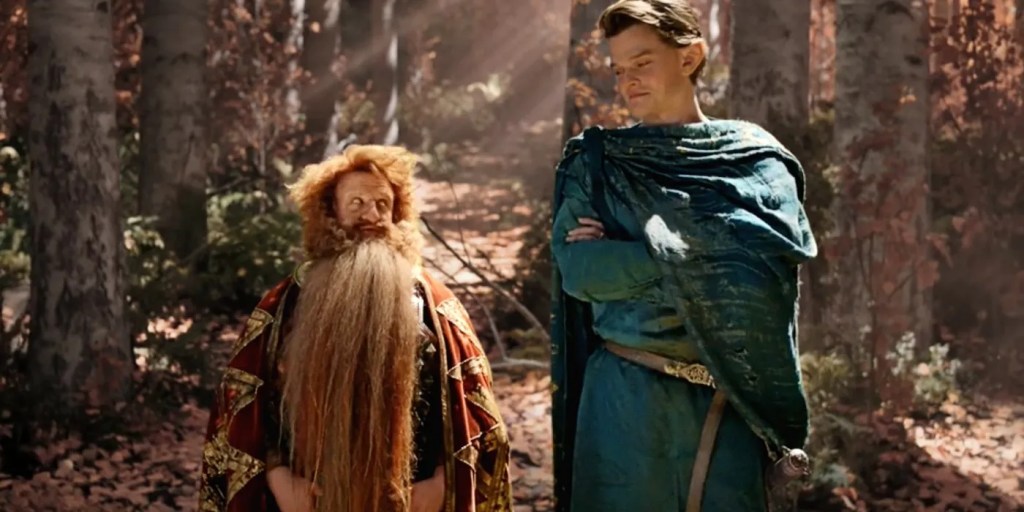
    All the (Silmarillion) Feels is an emotion- and story-focused summary of The Silmarillion. You’ll get facts, but that’s not the point here. Let’s talk themes, meaningful quotes, and moments that made us go “WHOA.” I started this project after falling in love with The Rings of Power television show, so expect me to focus on things to do with Galadriel and Sauron.


    Chapter 5: Of Eldamar and the Princes of the Eldalië

    This chapter title likely reads as nonsense, though admittedly, nonsense made of very pretty words. Chapter 5 is about how the Elves settled into Valinor and who the major players are going to be moving forward.

    The Magical Ship-Island

    We left the Elves on the western shore of Middle-earth eager to move to Valinor. We learn that there is a land bridge of sorts to the north, but it is full of dangerous “grinding ice,” so instead Ulmo uproots an island and moves it to the shoreline so that everyone can hop aboard. This is quite possible the coolest thing, and it’s stuff like this that makes The Silmarillion feel properly mythic.

    You’ll remember that at first, only two groups of Elves made the full journey to Middle-earth. The Vanyar and the Nolder take the island-ship to Valinor. The Elves loved the light of the Trees, but they missed the stars under which they’d lived in Middle-earth, so the Valar create a deep valley that leads to the eastern shore of Valinor with a mountain from which one can view both their new home and their old. Upon the mountain the Elves built their city Tirion, and Yavanna makes them a mini-Tree that’s just as beautiful as the ones lighting Valinor, but without any self-giving light. The White Tree of Númenor is a descendant of this tree!

    Even though the Vanyar and Noldar are having a good time in Valinor, communing with the Valar and learning all sorts of skills and crafts, they miss their kin. So let’s pop back to Middle-earth and see what the Teleri have been up to, shall we?

    The Teleri Tarry

    You’ll remember that the leader of the Teleri found himself in a love trance with Melian, and his people anxiously hung out on the shore of Middle-earth waiting to see if he would ever show up again. Ossë, a Maiar who essentially works for Ulmo, befriends them, and the Teleri become known as “lovers of water” and “the fairest singers of all the Elves.”

    The cries of the Elves in Valinor convince Ulmo to take the ship-island back to Middle-earth to see if any of the Teleri want to make the second journey. It is unclear why the island couldn’t just perpetually float back and forth like a ferry, but Tolkien does like to focus on adventures that demand a choice, and regular travel options don’t really fit with that aesthetic.

    Weirdly, the island gets all the way to the Bay of Eldamar (chapter title!), Ossë convinces them to stop the island and just…live on the island. It’s a weird choice to me, since it seems like the worst of both worlds. They’re no longer in Middle-earth, but also not in Valinor with the other Elves! But they seem happy enough, especially when the problem is solved by Ossë teaching them how to build actual ships. They can now make their way to Valinor and back to the island as they wish. Even when they’re in the Undying Lands, however, they like to stick close to the water. They build their own city called Alqualondë on the shores, and they take the gems that the Noldor give them and strew them along the beaches so that they positively glitter. UM, COOL. Tell me you’re rich without telling me you’re rich: “My beaches are full of gemstones.”

    The Teleri Who Stayed Behind

    Some of the Teleri chose not to go on either of the two island-voyages because they wanted to see if their leader would ever return. And eventually he does! After a very long time, Thingol and Melian come out of their love-trance and find the waiting Teleri. Thingol is disappointed to have missed out on seeing Valinor, but only temporarily, because the light of Valinor shines in Melian’s face. Cute, right? His time spent with a Maiar has changed him, and we get this juicy tidbit about his future: “Fair and noble as he had been, now he appeared as if it were a lord of the Maiar, his hair as grey silver, tallest of all the Children of Ilúvatar; and a high doom was before him.” I’m sure that’ll be fine.

    The Family Tree You’ve Got to Learn

    Everyone is now fairly settled; most of the Elves are in Valinor, although Thingol and some of the Teleri stayed in Middle-earth with the Maiar Melian. With everyone in place, The Silmarillion tells us about the family around whom the rest of the book is going to revolve, and spoilers, Galadriel enters the story here!

    https://askmiddlearth.tumblr.com/post/51669692212/the-house-of-finwe

    Finwë is the King of the Noldor, the Elves who befriended Aulë and loved to make things. His first son is born to his first wife Miriel, and this son is HELLA IMPORTANT. Fëanor, don’t forget his name. Miriel dies and Finwë marries Indis, and together they have two more sons, Fingolfin and Finarfin. Yes, there are a lot of “F”s this family.

    We will go into a ton more depth with these characters as the story progresses, but take note! Finarfin’s youngest child is Galadriel, making her Fëanor’s niece and therefore tied up in all the ish that’s about to hit the fan.


    Chapter 5 sets the stage for all the drama that’s about to unfold, and we’ll learn more about the main dramatist, Fëanor, in chapter 6!

  • Queerly Beloved: Choosing Your Guest List for a Gay Wedding

    Queerly Beloved: Choosing Your Guest List for a Gay Wedding

    Welcome to Queerly Beloved, a series of personal essays about my journey as an LGBTQ+ person planning for my wedding in June 2023. Through this series, I’ll be sharing my thoughts, experiences, and advice as I navigate the joys and challenges of planning a wedding. I hope that by sharing my story, I can help make weddings for queer couples a little bit easier and a lot more fun. So whether you’re getting ready to tie the knot, have already taken the plunge, or just want to join me on my journey for a bit, I invite you to come along for the ride!


    I grew up in a social system where church was center of everything. I attended innumerable wedding showers, ceremonies, and receptions for people at our Baptist church, and I always assumed I would get married by my pastor with hundreds of people in attendance.

    Then I fell in love with a woman and agreed to marry her.

    The mental image I had of my wedding had to shift dramatically. In the years that we were dating, I had thought about this in the abstract and assumed I was prepared. But when the engagement was official and wedding planning began, I was hit by a wave of grief that surprised me in its intensity. I couldn’t assume universal goodwill toward my marriage. I no longer trusted that the people who raised me and supported me for 30 years would want to celebrate one of the most significant moments of my life.

    For me, one of the most stressful parts of this was that so much hinged on assumptions. I was lucky enough, I suppose, not to experience anyone explicitly cutting off our relationship when I came out. What I experienced instead was radio silence. People who used to be intimately involved in my life and relationships suddenly had nothing to say. In many cases, I had no idea how they would respond if I invited them to my wedding.

    And that was the thing my anxious brain hated the most. There were a couple people who I knew would say no, and they did. That didn’t really bother me, because it was clearcut and I could prepare my heart for the disappointment. But the people whose decisions I wasn’t sure about? I imagined them having heartfelt conversations around the dinner table about whether attending my wedding would be a sin or not. About whether showing up at my wedding would be giving tacit approval of the “homosexual lifestyle” and how that would be perceived by others. It made me feel sick.

    In the end, it was my bridesmaid Michal Ann who made everything very clear. “You’re an amazing person,” she said over the phone. “Anyone who doesn’t appreciate you for exactly who you are doesn’t deserve to come to your wedding. And it’s their loss.”

    In addition to showing off exactly why I chose her to stand beside me on my wedding day, she helped me to reframe this decision. I’m the same person I’ve always been – silly and passionate and kind. If people no longer want to be close to me because I’m going to marry a woman, that is their loss! I don’t need to waste my emotions on wondering whether someone will want to be there on one of the biggest days of my life. I want to prioritize people who I know want to be there on one of the biggest days of my life.

    We’ve chosen a venue with a max capacity of 50 guests. That necessity helps to justify why there will be fewer people at my wedding than I imagined when growing up. But I’ve come to appreciate how lucky I am that I know each of those 50 people loves me deeply and completely, just as I am. Those are the people I want to celebrate with.

  • Kaikeyi by Vaishnavi Patel

    Kaikeyi by Vaishnavi Patel

    Genre | Fantasy
    Page #s | 478
    Publishing Date | April 2022

    “I was born on the full moon under an auspicious constellation, the holiest of positions—much good it did me.”

    So begins Kaikeyi’s story. The only daughter of the kingdom of Kekaya, she is raised on tales about the might and benevolence of the gods: how they churned the vast ocean to obtain the nectar of immortality, how they vanquish evil and ensure the land of Bharat prospers, and how they offer powerful boons to the worthy. Yet she watches as her father unceremoniously banishes her mother, listens as her own worth is reduced to the marriage alliance she can secure. And when she calls upon the gods for help, they never seem to hear.

    Desperate for independence, she turns to the texts she once read with her mother and discovers a magic that is hers alone. With it, Kaikeyi transforms herself from an overlooked princess into a warrior, diplomat, and most favored queen.

    But as the evil from her childhood stories threatens the cosmic order, the path she has forged clashes with the destiny the gods have chosen for her family. And Kaikeyi must decide if resistance is worth the destruction it will wreak—and what legacy she intends to leave behind.

    Goodreads

    I love mythological retellings, and Kaikeyi was a very accessible and highly engaging reimagining of the Hindu epic Ramayana from the perspective of Rama’s villainous mother. Spoilers! When you see a story from a woman’s point of view, she’s a lot less villainous!

    In this decades-spanning novel, we follow the titular Kaikeyi as she navigates court life, first as a girl who is twin to the future king, then as a woman who is third wife to another king. She is consistently given power in accordance with her wisdom and intelligence, only to have the power taken away on a whim simply because she’s a woman. It’s a frustratingly realistic portrayal of the limits of female power within patriarchal systems.

    In addition to the politics, there is a lot of magic! Kaikeyi learns at a young age how to enter the Binding Plane, a place where she can see the threads that tie people together. She learns to influence those ties for her own good as well as the good of others. This is a very cool bit of magic, but it is annoyingly unexamined from a moralistic viewpoint. Later in the book she discovers someone else has this same power, and she is appalled a the way it is used without ever once acknowledging the similarities to her own habits of manipulation.

    Some of the other things I loved in this book was the depiction of the relationship between Kaikeyi and her husband’s other two wives. There is never a whiff of jealousy between them when it comes to their relationship to their husband or their role in the hierarchy. It was incredibly satisfying to read about a polygamous relationship of support without the assumption of drama.

    I am also a sucker for stories of people fighting against fate. Although I was unfamiliar with the story of the Ramayana, it was clear that terrible things were going to happen, if not for the reasons recorded in the original myths. Watching Kaikeyi desperately try to avoid disaster, only to cause it, was classic storytelling at its best. What elevates the experience is Patel’s merging of this classic device with modern storytelling. Although Kaikeyi cannot defy her fate, we the readers are invited to question the goodness of the gods, as well as whether the tragic fate of a royal household ought to be the focus of the story at all.

    What Makes This Book Queer?

    Kaikeyi is consistently described as asexual and aromantic. She is married off to a king at the age of 19, and although she admires him as a friend and partner, she never loves or desires him, nor anyone else. Her role as a wife who will bear children to a king despite being asexual nicely aligns with the book’s themes regarding women without choice fighting for autonomy and control of their lives.

    Who Do I Recommend This Book To?

    Kaikeyi is the perfect book to give to fans of mythological retellings who grew up on Percy Jackson and want to bite into something with a little more literary depth.

    Check out our Queer Lil Library for more book recommendations and reviews!

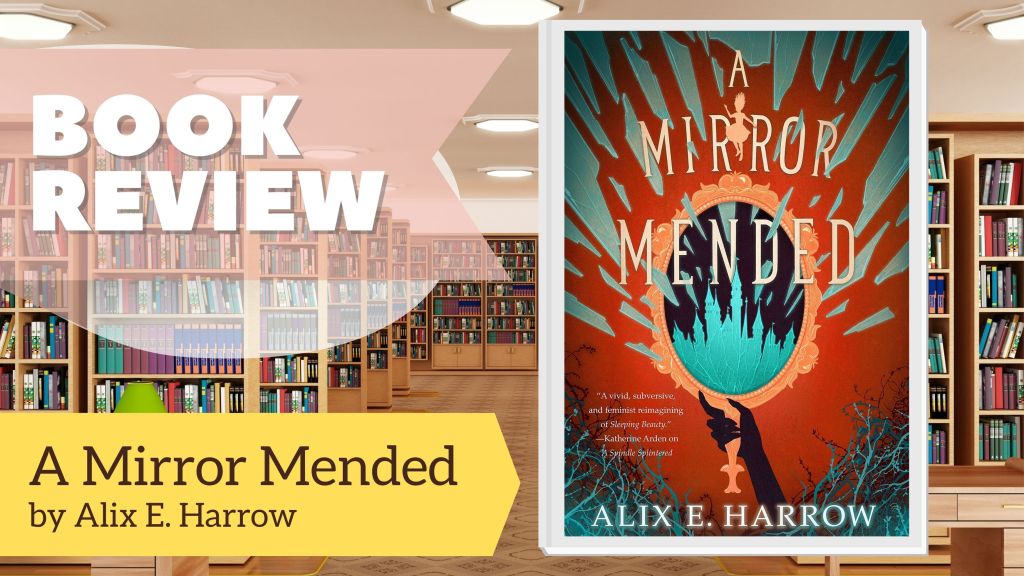
  • A Mirror Mended by Alix E. Harrow

    A Mirror Mended by Alix E. Harrow

    Genre | Fantasy Novella
    Page #s | 130
    Publishing Date | June 2022

    Zinnia Gray, professional fairy-tale fixer and lapsed Sleeping Beauty, is over rescuing snoring princesses. Once you’ve rescued a dozen damsels and burned fifty spindles, once you’ve gotten drunk with twenty good fairies and made out with one too many members of the royal family, you start to wish some of these girls would just get a grip and try solving their own narrative issues.

    Just when Zinnia’s beginning to think she can’t handle one more princess, she glances into a mirror and sees another face looking back at her: the shockingly gorgeous face of evil, asking for her help. Because there’s more than one person trapped in a story they didn’t choose. Snow White’s Evil Queen has found out how her story ends, and she’s desperate for a better ending. She wants Zinnia to help her before it’s too late for everyone. Will Zinnia accept the Queen’s poisonous request and save them both from the hot-iron shoes that wait for them, or will she try another path?

    Goodreads

    A Mirror Mended is a great little novella that is bite-sized in amount but packed full of interesting world-building and relationships. Bringing multiverses to fairy tales, Zinnia can hop between Sleeping Beauty stories easily; it takes the intervention of Snow White’s wicked stepmother for her to make it into another fairy tale entirely. The two are forced to work together to survive, and in the best possible way, sparks fly!

    I love an enemies-to-lovers plot, and this one had an added feminism bonus. Why is the Evil Queen considered to be evil, and are the choices she made to survive understandable, if not forgivable? Adding some grey into the black and white perceptions of fairy tale characters really gave this story something to say.

    I am also a sucker for books that focus on relationships other than the romantic. While Zinnia and the Evil Queen are the stars of the show, it is Zinnia’s friendships that are the real heart even though they are barely on the page. I assume if I had read Harrow’s other novellas, I would have a fuller understanding of their history, but I didn’t feel I was missing out on anything. What I got was a very realistic but seldom-told story of a person who was running away from her friends because their relationship was changing and she didn’t know how to handle that. Avoiding the things we fear just making things worse? #relatable

    The novella plays with fairy tale characters, but it doesn’t have a fairy tale happily ever after. Zinnia is explicitly against this idea in the best way possible, and I found myself delighted by the ending, which felt more satisfying than I expected.

    Who Do I Recommend This Book To?

    A Mirror Mended is the perfect book for someone looking to upend classic stories with queerness, feminism, and a complicated ending.

    Check out our Queer Lil Library for more book recommendations and reviews!

  • Queerly Beloved: Why Get Married?

    Queerly Beloved: Why Get Married?

    Welcome to Queerly Beloved, a series of personal essays about my journey as an LGBTQ+ person planning for my wedding in June 2023. Through this series, I’ll be sharing my thoughts, experiences, and advice as I navigate the joys and challenges of planning a wedding. I hope that by sharing my story, I can help make weddings for queer couples a little bit easier and a lot more fun. So whether you’re getting ready to tie the knot, have already taken the plunge, or just want to join me on my journey for a bit, I invite you to come along for the ride!


    Why Get Married?

    I’ve always been a romantic. One of my Halloween costumes when I was a kid was a bride. Not Frankenstein’s bride or something seasonally appropriate; just a bride with a white dress and a veil. I wore that costume as a nightgown until I finally outgrew it, physically if not emotionally.

    I know marriage isn’t for everyone, but I grew up with couples whose marriages inspired me to look for something similar. My maternal grandparents in particular have the sort of love, loyalty, and care that I’ve always hoped to find for myself. So when I met Rachel, it was obvious that we would get married!

    Just kidding.

    When I met Rachel, she was a year out from separating from her first wife. Although they remained amicable (and this was a huge green flag to me), she was understandably Done with romance. One of my first memories with her is watching season six of Buffy the Vampire Slayer, and her jeering at Spike for being so needy. “Oh no,” I thought. “I think he’s romantic!”

    During our year as friends, Rachel began to date again and I came to terms with being queer. We individually flirted with the idea of polyamory, to the point that I took my shot by asking her out while she was actively dating someone else. She turned me down, which was an indication that she didn’t actually want an open relationship. Deep down, we are U-Haul lesbians who just want to hide in the safe harbour of our love!! What? I did start this essay by admitting I’m romantic.

    A few months after we started dating, we had an open conversation about what we wanted long term. As a counsellor and as an anxious person, I’m a big believer in talking honestly about your relationship expectations sooner rather than later. “Getting married isn’t a deal breaker for me, but it is something I am interested in,” I said. Rachel thought for a minute, then said, “Getting married isn’t something I’m interested in, but it’s not a deal breaker.”

    That’s where we were for over a year, though we also moved in together and opened a shared bank account. I felt more settled with the idea that commitment doesn’t require legalizing the relationship with an expensive party. Rachel healed from her previous relationship and admitted that she is just as much a romantic as I am, if not more. I learned of this change when one day she turned to me and said, out of the blue, “I’m going to marry you someday.” I’m not sure exactly what my response was, but it probably entailed me physically leaping on her and demanding, “Are you serious!?”

    Okay, so I still really wanted to get married.

    Over time, it became accepted that we were on the Marriage Path, but it wasn’t until we were engaged that we attended couple’s counselling and identified why we wanted to get married. For both of us, the legal and formal aspects weren’t important. Our relationship was just as valid whether we were partners or wives. It’s the symbolism of marriage that made a wedding desirable.

    I won’t speak for Rachel, but for me, there is something uniquely special about gathering friends and family together at a wedding to say, “This relationship is special. This person is special, and what we’re building together deserves celebration. It’s also going to require flexibility and hard work, so we’re asking you to be our community of support, both individually and as a couple.”

    Putting on fancy outfits and hiring a caterer doesn’t fundamentally change our relationship. But it does change the feel of it. Ritual adds weight to a thing, and the ritual of a wedding gives our relationship solidity. It’s not necessary, but it’s beautiful.

    As of this posting, we are five months away from our wedding. I would love Rachel the same even if we never got married, but I’m excited to layer our relationship with the symbols of marriage and the label of wife.

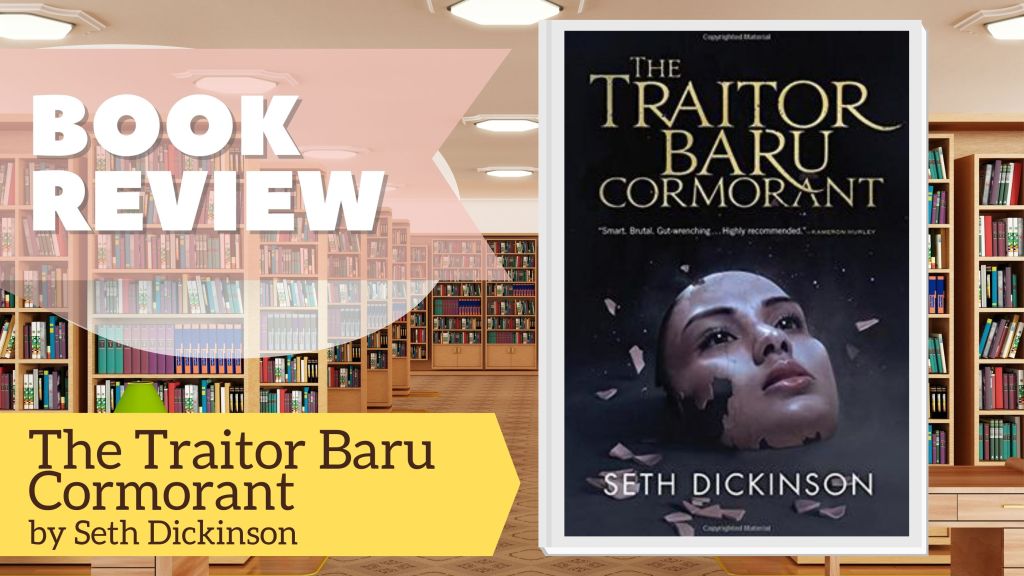
  • The Traitor Baru Cormorant by Seth Dickinson

    The Traitor Baru Cormorant by Seth Dickinson

    Genre | Fantasy
    Page #s | 399
    Publishing Date | September 2015

    Tomorrow, on the beach, Baru Cormorant will look up from the sand of her home and see red sails on the horizon.

    The Empire of Masks is coming, armed with coin and ink, doctrine and compass, soap and lies. They’ll conquer Baru’s island, rewrite her culture, criminalize her customs, and dispose of one of her fathers. But Baru is patient. She’ll swallow her hate, prove her talent, and join the Masquerade. She will learn the secrets of empire. She’ll be exactly what they need. And she’ll claw her way high enough up the rungs of power to set her people free.

    In a final test of her loyalty, the Masquerade will send Baru to bring order to distant Aurdwynn, a snakepit of rebels, informants, and seditious dukes. Aurdwynn kills everyone who tries to rule it. To survive, Baru will need to untangle this land’s intricate web of treachery – and conceal her attraction to the dangerously fascinating Duchess Tain Hu.

    But Baru is a savant in games of power, as ruthless in her tactics as she is fixated on her goals. In the calculus of her schemes, all ledgers must be balanced, and the price of liberation paid in full.

    Goodreads

    The Traitor Baru Cormorant is the first book in a trilogy that explores themes of colonialism, power, and whether you can change a corrupt system without also corrupting yourself. It’s a dark story without a happy ending, and I find myself very torn about reading the second two books because I’m not sure if Baru’s betrayals will “be worth it” in the end. But maybe that’s the point.

    This book is fast paced, covering the first two decades of Baru’s life from childhood to young adulthood. When her country is overtaken by the Empire, we get a succinct and heartbreaking depiction of colonization from the colonized’s point of view. Offering advancement and technology with one hand, the Empire offers restrictive moralism and brutal enforcement with the others. As a precocious child, Baru is taken to school to be indoctrinated; however, she holds on to her goal of gaining power within the Empire so that she can one day…liberate her homeland? Destroy the Empire? Her end goal is not entirely clear, and I hope this plot point tightens up in future novels.

    Baru is ruthless and intelligent, which, while hard to stomach sometimes, is also wonderful to see in a young female protagonist. She manages to gain enormous power and sway the fate of a nation as an accountant, which is a really fun twist on a classic story of revolution. Throughout the years that she spends in Aurdwynn, she becomes adept at telling herself that every decision she makes, every person she betrays, is necessary for her end goal. Whether or not you find the plot satisfying will heavily rely upon whether you think she’s right or not. I’m honestly so torn about this book; it was an incredibly engaging read with some thought-provoking themes, but that ending broke my heart!

    What Makes This Book Queer?

    Queerness is central to this book’s premise. Baru comes from a culture in which a traditional family system includes one mother and two fathers. Same-sex relationships are normalized until the Empire appears and declares it immoral. Baru’s own attraction to women must be kept secret as she works for the Empire, to varying success and varying consequences.

    There is an element here of queer rage fighting against the Empire that is not all that dissimilar from Black Sails, and honestly, that comparison suddenly makes me a LOT more interested in continuing this series.

    Who Do I Recommend This Book To?

    The Traitor Baru Cormorant is a dark fantasy novel about power and corruption that is perfect for anyone who wants a book that gives them all the feels PLUS a lot of things to think about.

    Check out our Queer Lil Library for more book recommendations and reviews!

  • All the (Silmarillion) Feels | Chapter 4: Of Thingol and Melian

    All the (Silmarillion) Feels | Chapter 4: Of Thingol and Melian

    All the (Silmarillion) Feels is an emotion- and story-focused summary of The Silmarillion. You’ll get facts, but that’s not the point here. Let’s talk themes, meaningful quotes, and moments that made us go “WHOA.” I started this project after falling in love with The Rings of Power television show, so expect me to focus on things to do with Galadriel and Sauron.


    Chapter 4: Of Thingol and Melian

    Short but Sweet

    This chapter is a mere two pages long, but a lot of romance is packed within these pages. In fact, alongside Aragorn/Arwen and Beren/Luthien, I would say that Thingol/Melian is one of the most romantic pairings in all of Middle-earth. They’re all also about otherworldly women singing in glades while being beautiful, so clearly both Tolkien and I have a type!

    Melian

    Our first lovebird is Melian, who is unique in Middle-earth for being a female Maia. The Maiar are higher beings like the Valar, though one step down in the power hierarchy. For reference, both Gandalf and Sauron are Maiar. Like them, she chooses to spend her time in Middle-earth rather than Valinor, though when she was in the land of the gods, her preferred haunt was hanging with Lórien, the Valar of dreams and visions. She is similarly magical, though her enchantments involve singing and drawing nightingales to her side; she’s very much a Disney princess.

    Elwë/Thingol

    Our second lovebird is Elwë, the leader of the Teleri, the third group of Elves to journey across Middle-earth toward Valinor. During the journey, he leaves the group and is captured by the song of nightingales. Literally! Hearing Melian’s voice, “it filled all his heart with wonder and desire” to the point that he forgets about all of his friends, family, and duty. Meeting Melian the Maia is so powerful that he changes his name to Elu Thingol and never rejoins his clan. Instead, his brother Olwë becomes the leader of the Teleri.

    A Magical Love

    Elwë is lovestruck by the sound of Melian’s voice, and when she sees him for the first time, she is just as entranced. In fact, having laid eyes upon each other, “they stood thus while long years were measured by the wheeling stars above them; and the trees of Nan Elmoth grew tall and dark before they spoke any word.”

    Guys, Tolkien was a capital R romantic. He loved love, and he wasn’t afraid to write about the wonder and desire that is so utterly captivating that you could spend literal years staring into your beloved’s eyes. Is it silly? Yes. Is it a little weird that all of his romantic leading ladies are chivalric queens to be adored and worshipped? Yes. But I love it!

    Anyway, Elwë becomes Thingol, and he and Melian make a home called Menegroth. They rule together for a very long time, and we will get to see them again in later chapters. They are also the ancestors of some of Middle-earth’s greatest; their daughter Luthien is the grandmother of Elrond and therefore great-grandmother of Arwen, wife of Aragorn. Of course, these are the generations of immortals, so from great-great-grandmother Melian to Arwen is thousands of years.

    From Council of Elrond

    Chapter 4 was a nice little snapshot of individual characters, but chapter 5 will take us back to the Elves who are crossing Middle-earth in an attempt to enter Valinor!

  • My Favorite Books Read in 2022

    My Favorite Books Read in 2022

    From graphic novels to epic fantasies to novella memoirs, the LGBTQ+ books that I read and loved the most this year cover a fairly broad range of genre and emotional intensity.

    My Favorite Books Read in 2022

    Snapdragon by Kat Leyh. This middle grade graphic novel became a fast favorite because of its intergenerational friendship, its love of the unlovable animals, and its sweet queer representation.

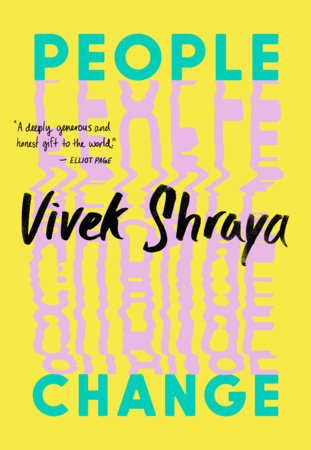
    People Change by Vivek Shraya. Everything Shraya writes gets right inside my head, and this novella about shifting identities over time, from a trans perspective but not only a trans perspective, has continued to pop up in my mind months later.

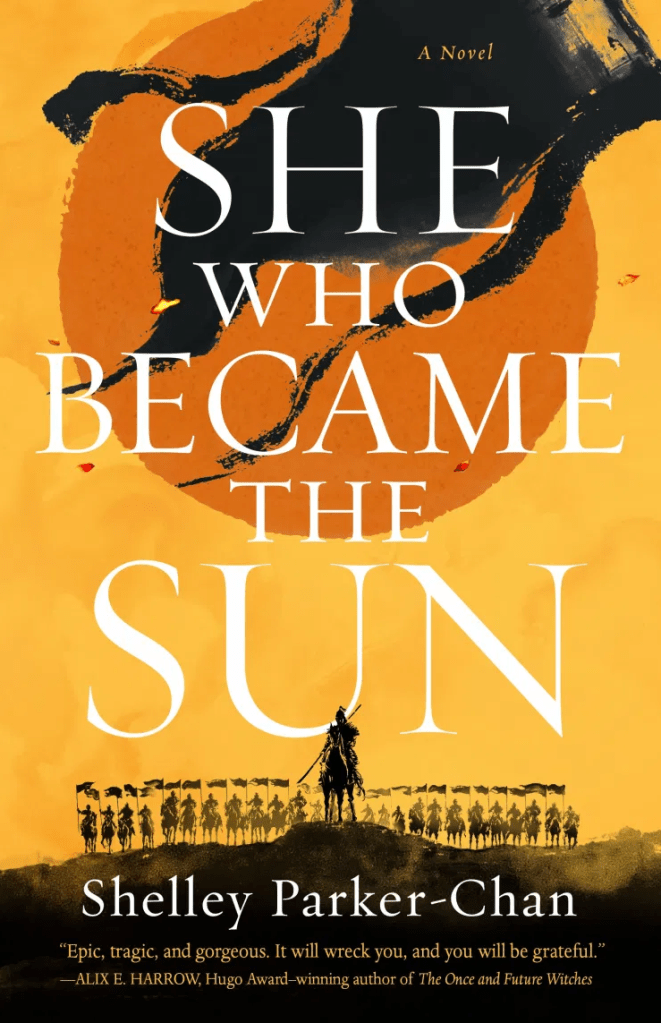
    She Who Became the Sun by Shelley Parker-Chan. A decade-spanning epic historical fantasy set in China that explores gender and sexuality divorced from our modern understanding and labels, this is an absolute must read.

    The Heart-Break Bakery by A. R. Capetta. This one snuck up on me, but it’s a pure and sugary good time with a lot of diverse queer representation that I don’t often see in books.

    Thirsty Mermaids by Kat Leyh. With two recommendations on this list, you can bet that Leyh’s future works are on my radar; this one is a delightful “fish out of water” mermaid story that celebrates body positivity and found family.

    The Clothesline Swing by Danny Ramadan. A darkly hopeful book about war, trauma, refugees, and the love that can help us survive, this is a book that has fundamentally shaped my worldview.

    Loveless by Alice Oseman. While this is definitely a very fun read, it makes the list for its stellar representation of a young girl wrestling with understanding and accepting her aromantic asexual identity, which I don’t see enough of!

    A Prayer for the Crown-Shy by Becky Chambers. The sequel to Chambers’ first Monk & Robot novella, I liked this one even more as the duo enter human civilization and I get to see Mosscap’s reaction to satchels and money and babies.

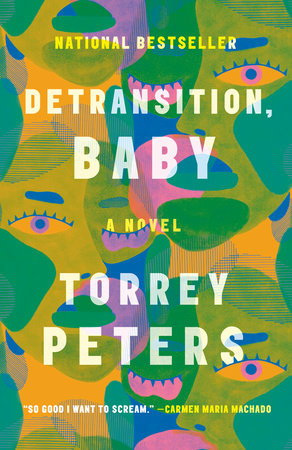
    Detransition, Baby by Torrey Peters. We are entering the age of the Messy Queer, and this book is prime evidence of why it’s so important to show trans and queer people as fully realized humans.

    The Lesbiana’s Guide to Catholic School by Sonora Reyes. This is YA at its best, using the genre to explore the intersection of class, race, sexuality, immigration, and more.


    What were some of your favorite books read in 2022? Leave a comment to let me know, and I’ll work on reading them in 2023!

    Check out our Queer Lil Library for more book recommendations and reviews!
  • Saga, Compendium One by Brian K. Vaughan and Fiona Staples

    Saga, Compendium One by Brian K. Vaughan and Fiona Staples

    Genre | Sci-Fi and Fantasy Graphic Novel
    Page #s | 1328
    Publishing Date | August 2019

    SAGA is the sweeping tale of one young family fighting to find their place in the worlds. When two soldiers from opposite sides of a never-ending galactic war fall in love, they risk everything to bring a fragile new life into a dangerous old universe. Fantasy and science fiction are wed like never before in a sexy, subversive drama for adults. This specially priced volume collects the first arc of the smash hit series The Onion A.V. Club calls “the emotional epic Hollywood wishes it could make.”

    Goodreads

    I read through the first nine volumes of Saga a few years ago, then bought the compendium that includes everything up to the graphic novel’s hiatus in 2018 at ECCC this year. My partner read through it for the first time while we were on vacation, and watching her fall in love with Lying Cat made me read over her shoulder and then…read it all again on my own!

    Spanning years and introducing (and losing) a huge cast of characters, Vaughan and Staples have managed to create an utterly engaging and unique epic adventure with incredibly personal stakes. Saga is a story of family drama and the wars that intrude, whether galactic or personal. Sometimes we get a bounty hunter flying a spaceship away from a time-sucking galaxy baby, and sometimes we get a young family struggling to adjust to life after an unexpected miscarriage. This is a sci-fi and fantasy world that allows for, and honors, both.

    The central characters here are Alana and Marko, former soldiers on opposite sides of a never-ending war who fall in love and have an impossible inter-species baby. They have to go into hiding and raise their child with the help of an unlikely cast of characters, and let me tell you, many of them will break your heart!

    You’re never allowed to forget the stakes of what war entails, and although the book is fairly anti-war, it also engages with meaningful conversations about the impossibility of detaching fully from violence. Indeed, in one of the most emotional storylines of the early volumes, a bounty hunter kills sex traffickers in a way that I found most satisfying. Yet later this act of violence comes back to haunt him, because the cycle of violence, no matter how “necessary” or valorous, will always destroy.

    My favorite thing about this graphic novel is the sheer creativity of the space species we find. Lying Cat is an obvious favorite, and nothing will match my delight when the television-headed robot royals turned out to have a king with a giant screen tv for a face. The chaos and creativity somehow just WORK, and this is a masterclass in science fiction and fantasy that runs on vibes rather than logical systems.

    Hilarious, heartbreaking, and shockingly meaningful, Saga is an epic read that is, thankfully, still ongoing!

    What Makes This Book Queer?

    This is a blog for queer nerdy reads, and so far I’ve only mentioned a straight nuclear family. That giant cast of characters I mentioned includes a diverse array of queer characters, most notably gay reporters from a homophobic planet who heartbreakingly hide their relationship and sometimes perpetuate homophobia to protect themselves. There’s also a trans character who joins the story later whose experience explicitly parallels the little girl narrating the story in absolutely beautiful ways.

    Who Do I Recommend This Book To?

    Saga is an adult graphic novel with explicit scenes of violence and sex, but with that out of the way, literally everyone should read this. I’d especially give it to someone who is skeptical of graphic novels and the stories that are able to be told in this medium.

    Check out our Queer Lil Library for more book recommendations and reviews!
  • All the (Silmarillion) Feels | Chapter 3: Of the Coming of the Elves and the Captivity of Melkor

    All the (Silmarillion) Feels | Chapter 3: Of the Coming of the Elves and the Captivity of Melkor

    All the (Silmarillion) Feels is an emotion- and story-focused summary of The Silmarillion. You’ll get facts, but that’s not the point here. Let’s talk themes, meaningful quotes, and moments that made us go “WHOA.” I started this project after falling in love with The Rings of Power television show, so expect me to focus on things to do with Galadriel and Sauron.


    Chapter 3: Of the Coming of the Elves and the Captivity of Melkor

    Darkness Grows

    As the chapter opens, the Valar are hanging out in Valinor, “dwel[ling] in bliss” like they do, while Melkor has free rein of Middle-earth, creating balrogs and giving strongholds to his lieutenant Sauron. The Valar are basically playing The Sims and getting distracted by a shiny new house and family after forgetting all about that first family you made whose kitchen is on fire.

    Yavanna continues to be the standout Valar by demanding the group stop thinking only of themselves, saying:

    “Yet be sure of this: the hour approaches, and within this age our hope shall be revealed, and the Children shall awake. Shall we then leave the lands of their dwelling desolate and full of evil? Shall they walk in darkness while we have light? Shall they call Melkor lord while Manwë sits upon Taniquetil?”

    The Silmarillion, page 44

    There is intense ambivalence among the Valar, and they mostly decide to keep waiting around, although Varda does create more stars so that the Children will have better lighting when they awaken. Which they do, almost immediately.

    The Elves Awaken

    Naming themselves Quendi, the Elves begin their existence in Cuiviénen, and because the Valar put in the bare minimum in preparing the world for their coming, life is terrifying! Melkor “sent shadows and evil spirits to spy on them and waylay them” for YEARS before Oromë stumbles upon them. In the meantime, Melkor is also kidnapping some of them and creating his own race – of Orcs.

    “…all those of the Quendi who came into the hands of Melkor, ere Utumno was broken, were put there in prison, and by slow arts of cruelty were corrupted and enslaved; and thus did Melkor breed the hideous race of the Orcs in envy and mockery of the Elves, of whom they were afterwards the bitterest foes.”

    The Silmarillion, page 47

    Yes, this is what Adar was talking about in The Rings of Power when he claimed to be the Father of Orcs!

    The Valar Finally Do Something Helpful

    Because their early years were full of terror, the Elves in Cuiviénen initially think Oromë is also going to hurt them, but some find the courage to engage with him and realize he’s a good guy. He returns to Valinor to urge the Valar to help the Elves, but as per usual, “they debated long” and Manwë “sat long in thought.” These are not the people to go to in an emergency!

    After taking their sweet time, the Valar finally decide to go to war and defeat Melkor’s reign of terror in Middle-earth. Very slightly making up for their late arrival, they set up a guard around the Elves to ensure that they do not experience the effects of war.

    Gods battling upon the land reshapes Middle-earth, creating bays and mountain ranges, and in the end, the Valar are successful. Utumno’s gates are broken, Melkor is captured, and he is “cast into prison in the fastness of Mandos, whence none can escape.”

    Just when the Valar are looking pretty good, they get lazy again.

    “Nonetheless the Valar did not discover all the mighty vaults and caverns hidden with deceit far under the fortresses of Angband and Utumno. Many evil things still lingered there, and others were dispersed and fled into the dark and roamed in the waste places of the world, awaiting a more evil hour; and Sauron they did not find.”

    The Silmarillion, page 49

    I’m sure that won’t lead to any problems.

    The Great Elf Migration

    One of my favorite things about The Silmarillion is that we get to see different kinds of Elves with different priorities and beliefs. They get to be diverse rather than the monolithically Strong, Wise, and Slow Elves that we see depicted in The Lord of the Rings movies.

    After the Valar make Middle-earth safe for the Elves, they promptly invite them to leave and journey to their cooler, better digs aka Valinor. It is at this point that we get multiple Elf groups, and even though I’m salty about the Valar’s preference for Valinor over Middle-earth, there is very much the implication that the Elves that go to Valinor are better than the ones that stay behind. We have:

    • The Vanyar, led by Ingwë. The smallest group, but the first to set forth. They hecking love Valinor and the Valar, and they never wanna leave.
    • The Noldor, led by Finwë. Beloved of Aulë, this group is renowned in song for their labours, and they are going to be the focus of a LOT of future stories in The Silmarillion.
    • The Teleri, led by Elwë and Olwë. The largest and slowest group, they loved water and kept stopping on their journey to enjoy the beautiful landscape.

    These three groups are all called the Calaquendi, or Elves of the Light, because they went to Valinor and lived under the light of the Trees. In contrast, the Moriquendi, or Elves of the Darkness, stayed in Middle-earth and lived only by starlight. These were the Avari, who refused the initial journey and stayed in Cuiviénen, as well as anyone who set out but stopped along the way like the Nandor.

    I’m a huge dork who enjoys all these details, but what you need to know is this:

    THE SUMMARY

    1. The Elves have arrived!
    2. Melkor terrorized the Elves, and the Valar captured and imprisoned him.
    3. The Valar invited the Elves to Valinor, and the story pretty much only cares about the ones who went.

    This was a long chapter, but never fear, chapter 4 is only two pages long! Two really good pages, because in it is one of the great love stories of The Silmarillion.

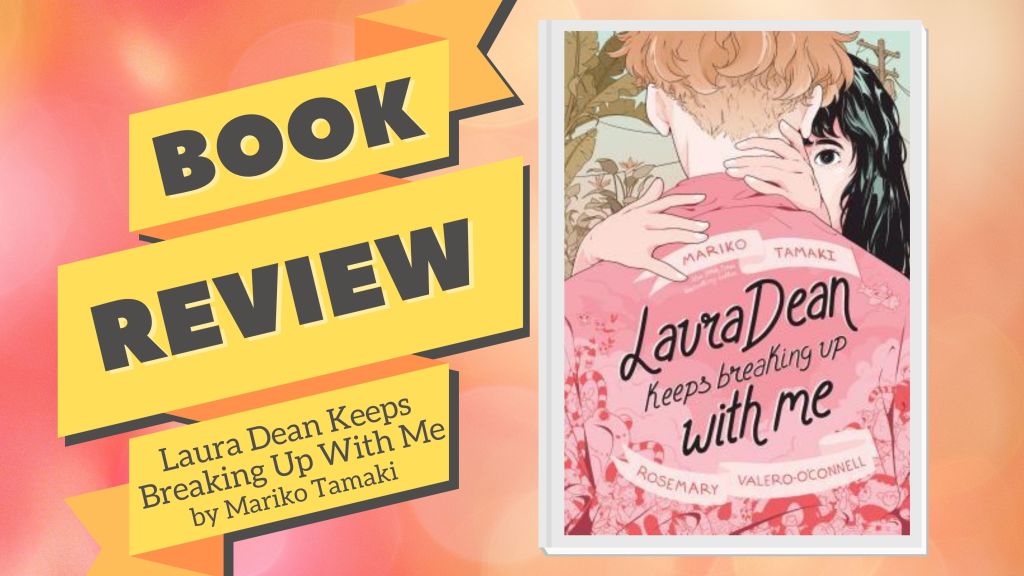
  • Laura Dean Keeps Breaking Up With Me by Mariko Tamaki and Rosemary Valero-O’Connell

    Laura Dean Keeps Breaking Up With Me by Mariko Tamaki and Rosemary Valero-O’Connell

    Genre | YA Contemporary Fiction Graphic Novel
    Page #s | 289
    Publishing Date | May 2019

    All Freddy Riley wants is for Laura Dean to stop breaking up with her.

    The day they got together was the best one of Freddy’s life, but nothing’s made sense since. Laura Dean is popular, funny, and SO CUTE … but she can be really thoughtless, even mean. Their on-again, off-again relationship has Freddy’s head spinning — and Freddy’s friends can’t understand why she keeps going back.

    When Freddy consults the services of a local mystic, the mysterious Seek-Her, she isn’t thrilled with the advice she receives. But something’s got to give: Freddy’s heart is breaking in slow motion, and she may be about to lose her very best friend as well as her last shred of self-respect. Fortunately for Freddy, there are new friends, and the insight of advice columnist Anna Vice, to help her through being a teenager in love.

    Mariko Tamaki and Rosemary Valero-O’Connell bring to life a sweet and spirited tale of young love that asks us to consider what happens when we ditch the toxic relationships we crave to embrace the healthy ones we need.

    Goodreads

    The artwork in Laura Dean Keeps Breaking Up with Me is absolutely gorgeous; that is what kept me reading a story that I’m incredibly glad exists, but definitely feels like the kind of YA meant for high school students. It’s a story of young love, understanding when relationships are toxic, and learning not to neglect your friends even though you’re in love.

    Everything about Freddy is understandable, but Laura Dean’s red flags are so numerous and unthinkingly cruel that I just wanted to shake her until she realized she was better than this relationship of convenience. I was similarly annoyed by the very dramatic “You’re way too young for me; I’m 18 and you’re 17!” that is repeated. What??

    The highlight of this story is undoubtedly the crumbling friendship between Freddy and Doodle. The ways in which they miss each other’s bids for attention and care is heartbreaking and relatable. I was excited for the D&D shout out in this plot thread, but whoops, that turned out not so great.

    I might be underselling this book, because as I’m thinking about it, there is a lot of really wonderful stories here about abortion, queer progress, messy emotions, and no easy answers. And Freddy’s friend group is pretty much all varieties of queer, which is an accuracy that is great to see. You tell me – have you read Laura Dean Keeps Breaking Up with Me? What did you think?

    Who Do I Recommend This Book To?

    Laura Dean Keeps Breaking Up with Me is a great book to give to a queer teenager; bonus points if you use the book to actually discuss the themes within.

    Check out our Queer Lil Library for more book recommendations and reviews!
  • All the (Silmarillion) Feels | Chapter 2: Of Aulë and Yavanna

    All the (Silmarillion) Feels | Chapter 2: Of Aulë and Yavanna

    All the (Silmarillion) Feels is an emotion- and story-focused summary of The Silmarillion. You’ll get facts, but that’s not the point here. Let’s talk themes, meaningful quotes, and moments that made us go “WHOA.” I started this project after falling in love with The Rings of Power television show, so expect me to focus on things to do with Galadriel and Sauron.


    Chapter 2: Of Aulë and Yavanna

    The Creation of the Dwarves

    This chapter is short (just six pages) but so sweet! Until now, the focus has been on the Valar with little hints of the coming of Elves and Men. You might have noticed one race conspicuously missing from this list: Dwarves! (If you thought I was going to say Hobbits, I’m so sorry, but I don’t think they’re anywhere in The Silmarillion.)

    As you may remember from previous chapters, Aulë is the Valar that is all about crafting, building, and creation. He reminds me of Hephaestus. So in the midst of all the Lamp/Tree drama that went down, Aulë decides that Middle-earth needs a race that is “stone-hard, stubborn, fast in friendship and in enmity” to resist Melkor’s evil. In secret, he forms the Seven Fathers of Dwarves, one of whom is Durin, “father of that kindred most friendly to the Elves, whose mansions were at Khazad-dûm.”

    The only problem? Dwarves were not in Ilúvatar’s creation song, so Aulë is acting beyond the creator’s will…much like Melkor. When Ilúvatar confronts him, however, Aulë is contrite, insisting that rather than create something of his own in order to dominate it, he “desired things other than I am, to love and to teach them, so that they too might perceive the beauty of Eä, which thou hast caused to be.”

    In shame over his actions, Aulë takes up his hammer to destroy the Dwarves, and they cower in terror. Ilúvatar stops the killing blow and points out that he has blessed the Valor’s work, giving them true life as they recoiled from Aulë. But! Dwarves cannot be created before Elves and Men, since they are not the foretold Firstborn, so Ilúvatar puts them to sleep until a more appropriate time.

    I had remembered this story as mirroring the biblical story of Abraham and Isaac, as one of sacrifice, near death, and last-minute salvation. However, there is a key difference between the stories. In The Silmarillion, Ilúvatar does not ask Aulë to kill his son/creation. Aulë moves to do this on his own. Here, Ilúvatar only shows mercy, preventing death and offering life instead.

    The Creation of the Ents

    When Aulë goes home to Yavanna and tells her what went down at work, she is happy for him, but sad for herself and the things that she loves most: plants. She foresees that “thy children will have little love for the things of my love… They will delve in the earth, and the things that grow and live upon the earth they will not heed. Many a tree shall feel the bite of their iron without pity.”

    They have a conversation about ethical consumption, and although Yavanna admits that all the Children of Ilúvatar will use and eat her creations, she can’t help but feel the sting of powerlessness. “Shall nothing that I have devised be free from the dominion of others?” This cry is so relatable, especially coming from a woman. It’s one of the reasons why I find it such a pity Tolkien didn’t write more female characters into his works, because he really does nail some aspects of the feminine experience.

    Anyway, Yavanna realizes that she’s primarily concerned for the trees. After all, animals at least have a chance to escape capture or defend themselves, but trees grow slowly and have no defense against destruction. Having learned from the results of Aulë’s secrecy, Yavanna goes to Manwë and asks if she can create something to defend the forests. In the end, they agree that “in the forests shall walk the Shepherds of the Trees.” That’s right: ENTS!

    Happy in her success, Yavanna returns to Aulë to tell him that his creations will no longer be able to take from the forests indiscriminately. The chapter ends on a comedic note that feels a little out of context, much like the presence of Tom Bombadil. “Nevertheless, they will have need of wood,” Aulë comments as he continues to work. Ba dum tss!

    Alright, dude. Let her have her moment, please.


    The Dwarves have been made and subsequently put to sleep, so it’s probably time to get a move on with the Firstborn, huh? Good things Chapter 3 is titled, “Of the Coming of the Elves and the Captivity of Melkor.”

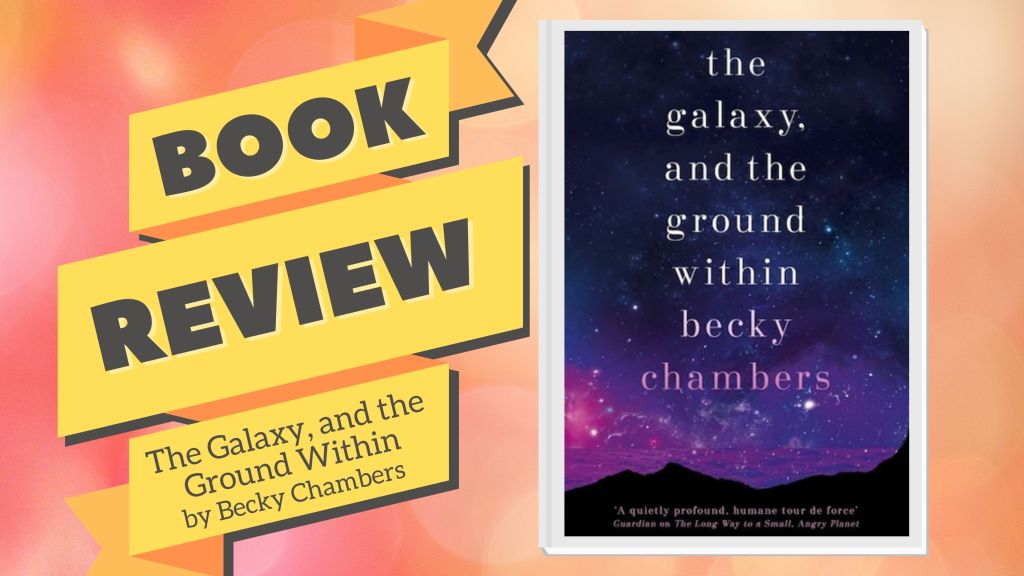
  • The Galaxy, and the Ground Within by Becky Chambers

    The Galaxy, and the Ground Within by Becky Chambers

    Genre | Science Fiction
    Page #s | 336
    Publishing Date | April 2021

    With no water, no air, and no native life, the planet Gora is unremarkable. The only thing it has going for it is a chance proximity to more popular worlds, making it a decent stopover for ships traveling between the wormholes that keep the Galactic Commons connected. If deep space is a highway, Gora is just your average truck stop.

    At the Five-Hop One-Stop, long-haul spacers can stretch their legs (if they have legs, that is), and get fuel, transit permits, and assorted supplies. The Five-Hop is run by an enterprising alien and her sometimes helpful child, who work hard to provide a little piece of home to everyone passing through.

    When a freak technological failure halts all traffic to and from Gora, three strangers—all different species with different aims—are thrown together at the Five-Hop. Grounded, with nothing to do but wait, the trio—an exiled artist with an appointment to keep, a cargo runner at a personal crossroads, and a mysterious individual doing her best to help those on the fringes—are compelled to confront where they’ve been, where they might go, and what they are, or could be, to each other.

    Goodreads

    The Galaxy, and the Ground Within is the fourth and final book in Becky Chambers’ sci-fi Wayfarers series, and it is either my favorite or second favorite of them all (other potential favorite is The Long Way to a Small, Angry Planet). Like all of her books, this is a story about characters and cultures more than action-driven plot, although there is a crisis near the end that catapults our characters into action.

    What I love most about this novel in particular is that it’s all aliens, all the time! Although humans (and human-alien relationships) are discussed, we focus on inter-alien relationships as members of four different species are trapped in a single transit hub in a spectacular bottle episode.

    By this point in the series, we have grown to have certain opinions of the Galactic Commons and different species such as the Aeluons; this book creates even more nuance and offers a darker perspective to this largely utopian sci-fi vision through the character of Speaker and her oppressed/neglected species. Even when I say “darker,” that so misrepresents this book, because the heart of it is showing how people can connect and understand each other across ignorance and opposing opinions. This book is a master class in engaging with cultures other than your own and how to navigate uncomfortable conversations with empathy.

    As always, Chambers’ view of the future is expansive when it comes to gender, which is on full force in this book. One of the main characters is Tupo, a non-gendered pre-teen whose species uses xyr/xym pronouns until they are old enough to decide which gender fits them best. By offering us glimpses of different cultures’ approach to gender, Chambers opens up our current understanding and normalizes seeing gender as a journey.

    I’m sad that I’ve now finished the Wayfarers series, and I’m eager to read whatever Chambers writes next!

    Who Do I Recommend This Book To?

    The Galaxy, and the Ground Within is a great book to recommend to a sci-fi fan whose favorite part is the world building.

    Check out our Queer Lil Library for more book recommendations and reviews!

  • Christmas Gift Guide: Queer Book Edition

    Christmas Gift Guide: Queer Book Edition

    I love to give people books for the holidays, and it is a particular delight to try to match my favorite books to my favorite people. While I’m at it, I like to prioritize giving LGBTQ+ books for the holidays. There are so many excellent books to choose from, but here are some that I’m gifting to my friends and family this Christmas!

    Christmas Gift Guide: Queer Book Edition

    A Psalm for the Wild-Built

    by Becky Chambers

    When I’m not quite sure of a person’s taste in books, I love to give A Psalm for the Wild-Built by Becky Chambers to people because of its broad appeal. It’s a novella, which is less intimidating to my friends and family who aren’t quite as vociferous readers as I am. It’s also a genre book that doesn’t go heavy on the sci-fi and a queer book that lets its gender utopia exist without much comment. And most important, it’s a hopeful, lovely book that is a quick antidote to the anxiety and hopelessness that many of us feel.

    The Clothesline Swing

    by Danny Ramadan

    For those who are not into genre fiction, The Clothesline Swing by Danny Ramadan is a compelling contemporary fiction novel about love, death, and the stories we tell to stay alive. I am currently raising money for Rainbow Refugee to help a Moroccan woman immigrate to Vancouver, so this is also a great way to introduce the stories of refugees as I ask for donations!

    [If you would like to donate a few dollars to our cause, donate HERE and choose “PRISM COLLECTIVE” in the drop down!]

    Snapdragon

    by Kat Leyh

    For younger kids or people who appreciate a witchy story about animals, Snapdragon by Kat Leyh is a graphic novel is at the top of my list. This is a book about outcasts, young and old, and the relationships that can bring joy and meaning to our lives no matter what stage of life we’re in. A joy to read in one satisfying sitting!

    Tomorrow Will Be Different: Love, Loss and the Fight for Trans Equality

    by Sarah McBride

    For the non-fiction aficionado, Tomorrow Will Be Different: Love, Loss and the Fight for Trans Equality by Sarah McBride is a memoir about love and political activism by Delaware’s state senator. Putting a humanizing face to heated arguments about trans rights, this book is a must read.

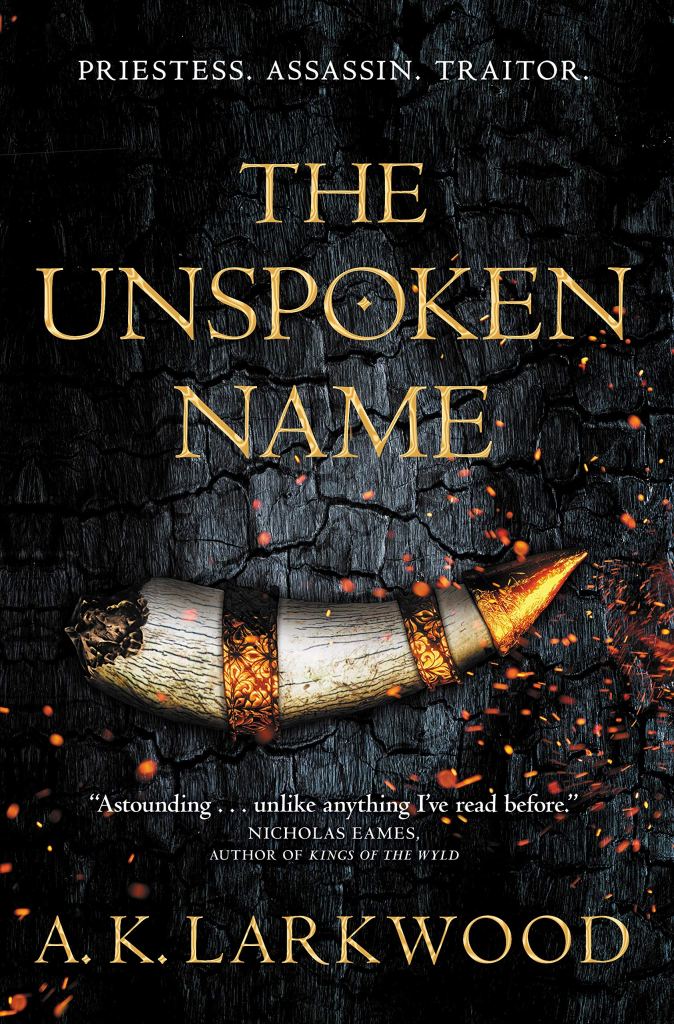
    The Unspoken Name

    by A. K. Larkwood

    The Unspoken Name by A.K. Larkwood is a dense fantasy novel that isn’t for everyone…but the person it’s for is going to LOVE it. This fast paced novel is about a lesbian orc who abandons her fate as a sacrifice to the Unspoken god and decides instead to become a mercenary for an ambiguously aligned wizard. There’s a sequel, The Thousand Eyes, out too!

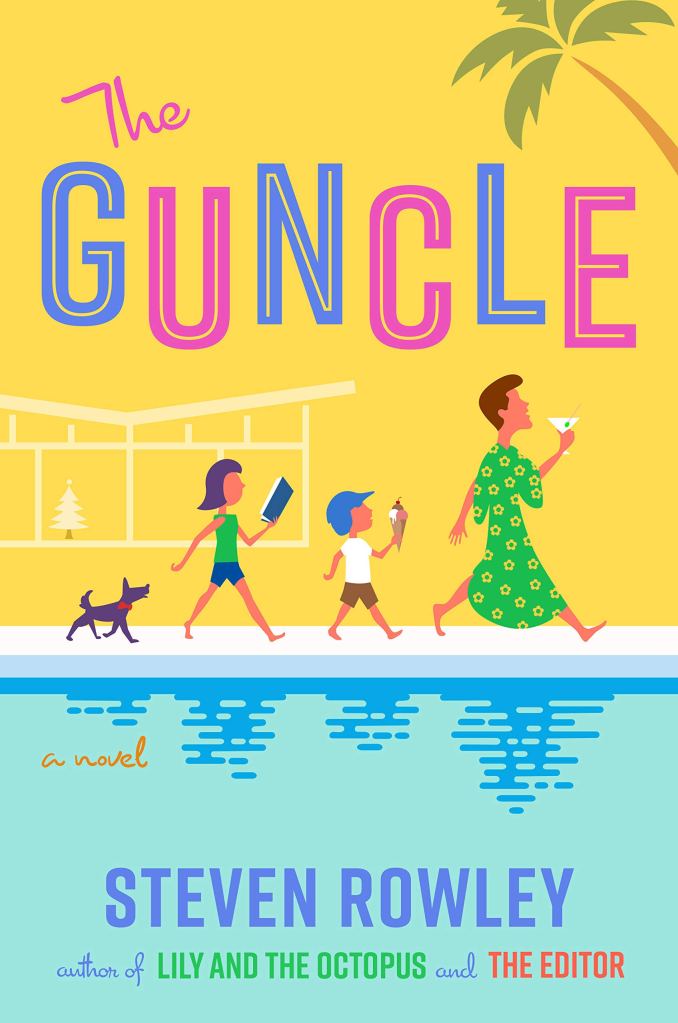
    The Guncle

    by Steven Rowley

    For the family and friends who want their books to be warm-hearted and fun, The Guncle by Steven Rowley is a sure-fire hit! When the protagonist finds himself in charge of his niece and nephew for the summer, all three learn how to process grief and lean on the love of family with laugh-out-loud and sweet-but-not-sappy scenes.

    Pet

    by Akwaeke Emezi

    For the person who likes a fantasy story that’s a bit more accessible à la A Wrinkle in Time, Pet by Akwaeke Emezi is one of my favorites. This is a story about appearances and the ability to differentiate between a monster and an angel (literally and metaphorically). I love when an otherworldly being that is both scary and comforting enters a child’s life and helps them grow up to be a little wiser than they started.

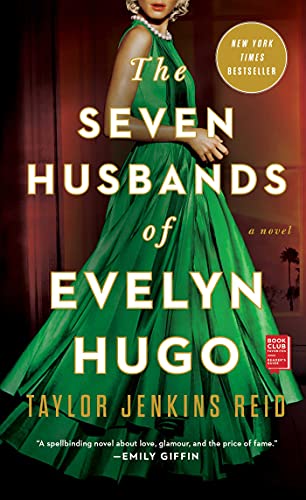
    The Seven Husbands of Evelyn Hugo

    by Taylor Jenkins Reid

    I’ll end my list with another book with broad appeal. The Seven Husbands of Evelyn Hugo by Taylor Jenkins Reid is a story about Old Hollywood, determined women, and the relationships (real and faked) that made a young woman a movie star. It’s a page-turner with a satisfying ending that everyone can enjoy.


    More gift recommendations from the Roar Cat Reads’ Discord:

    • This is How You Lose the Time War by Amal El-Mohtar and Max Gladstone
    • Laura Dean Keeps Breaking Up With Me by Mark Tamaki and Rosemary Valero-O’Connell
    • She Who Became the Sun by Shelley Parker-Chan
    • Babel by RF Kuang

    Want more recommendations? Tell me what kind of person you’re buying a present for, and I’ll recommend books for you!