Category: Book Review

  • All the (Silmarillion) Feels | Chapter 2: Of Aulë and Yavanna

    All the (Silmarillion) Feels | Chapter 2: Of Aulë and Yavanna

    All the (Silmarillion) Feels is an emotion- and story-focused summary of The Silmarillion. You’ll get facts, but that’s not the point here. Let’s talk themes, meaningful quotes, and moments that made us go “WHOA.” I started this project after falling in love with The Rings of Power television show, so expect me to focus on things to do with Galadriel and Sauron.


    Chapter 2: Of Aulë and Yavanna

    The Creation of the Dwarves

    This chapter is short (just six pages) but so sweet! Until now, the focus has been on the Valar with little hints of the coming of Elves and Men. You might have noticed one race conspicuously missing from this list: Dwarves! (If you thought I was going to say Hobbits, I’m so sorry, but I don’t think they’re anywhere in The Silmarillion.)

    As you may remember from previous chapters, Aulë is the Valar that is all about crafting, building, and creation. He reminds me of Hephaestus. So in the midst of all the Lamp/Tree drama that went down, Aulë decides that Middle-earth needs a race that is “stone-hard, stubborn, fast in friendship and in enmity” to resist Melkor’s evil. In secret, he forms the Seven Fathers of Dwarves, one of whom is Durin, “father of that kindred most friendly to the Elves, whose mansions were at Khazad-dûm.”
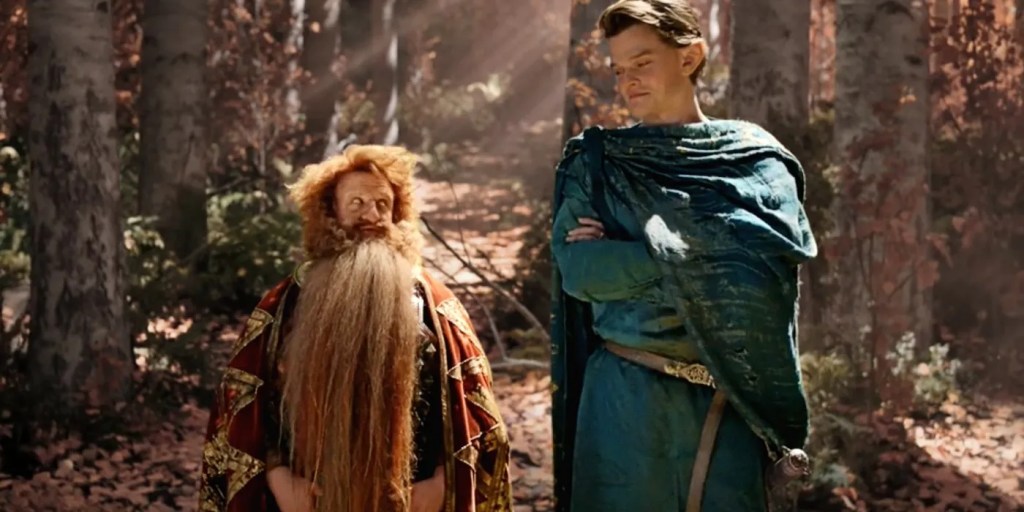
    The only problem? Dwarves were not in Ilúvatar’s creation song, so Aulë is acting beyond the creator’s will…much like Melkor. When Ilúvatar confronts him, however, Aulë is contrite, insisting that rather than create something of his own in order to dominate it, he “desired things other than I am, to love and to teach them, so that they too might perceive the beauty of Eä, which thou hast caused to be.”

    In shame over his actions, Aulë takes up his hammer to destroy the Dwarves, and they cower in terror. Ilúvatar stops the killing blow and points out that he has blessed the Valor’s work, giving them true life as they recoiled from Aulë. But! Dwarves cannot be created before Elves and Men, since they are not the foretold Firstborn, so Ilúvatar puts them to sleep until a more appropriate time.

    I had remembered this story as mirroring the biblical story of Abraham and Isaac, as one of sacrifice, near death, and last-minute salvation. However, there is a key difference between the stories. In The Silmarillion, Ilúvatar does not ask Aulë to kill his son/creation. Aulë moves to do this on his own. Here, Ilúvatar only shows mercy, preventing death and offering life instead.

    The Creation of the Ents

    When Aulë goes home to Yavanna and tells her what went down at work, she is happy for him, but sad for herself and the things that she loves most: plants. She foresees that “thy children will have little love for the things of my love… They will delve in the earth, and the things that grow and live upon the earth they will not heed. Many a tree shall feel the bite of their iron without pity.”

    They have a conversation about ethical consumption, and although Yavanna admits that all the Children of Ilúvatar will use and eat her creations, she can’t help but feel the sting of powerlessness. “Shall nothing that I have devised be free from the dominion of others?” This cry is so relatable, especially coming from a woman. It’s one of the reasons why I find it such a pity Tolkien didn’t write more female characters into his works, because he really does nail some aspects of the feminine experience.

    Anyway, Yavanna realizes that she’s primarily concerned for the trees. After all, animals at least have a chance to escape capture or defend themselves, but trees grow slowly and have no defense against destruction. Having learned from the results of Aulë’s secrecy, Yavanna goes to Manwë and asks if she can create something to defend the forests. In the end, they agree that “in the forests shall walk the Shepherds of the Trees.” That’s right: ENTS!

    Happy in her success, Yavanna returns to Aulë to tell him that his creations will no longer be able to take from the forests indiscriminately. The chapter ends on a comedic note that feels a little out of context, much like the presence of Tom Bombadil. “Nevertheless, they will have need of wood,” Aulë comments as he continues to work. Ba dum tss!

    Alright, dude. Let her have her moment, please.


    The Dwarves have been made and subsequently put to sleep, so it’s probably time to get a move on with the Firstborn, huh? Good things Chapter 3 is titled, “Of the Coming of the Elves and the Captivity of Melkor.”
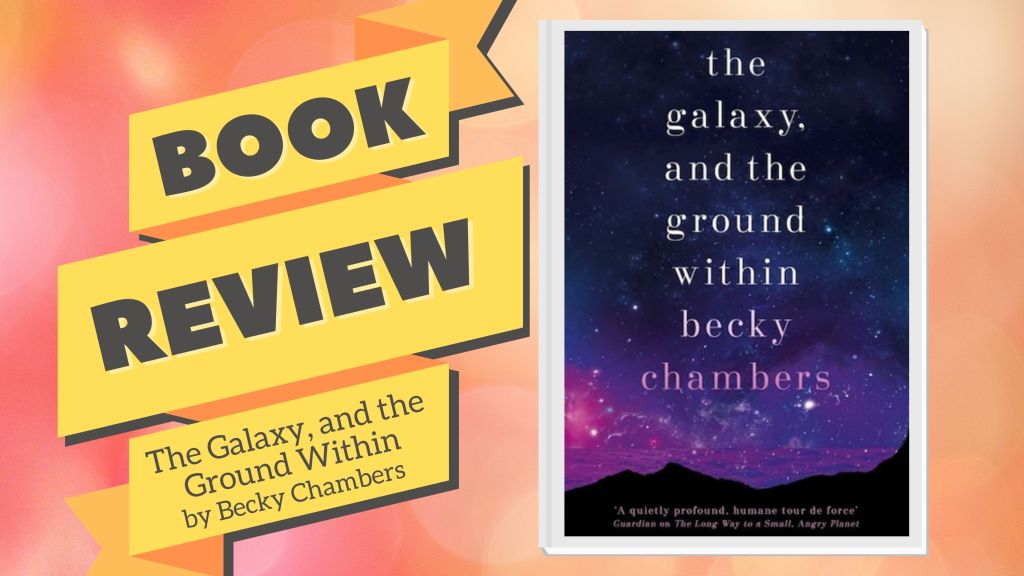

  • The Galaxy, and the Ground Within by Becky Chambers

    The Galaxy, and the Ground Within by Becky Chambers

    Genre | Science Fiction
    Page #s | 336
    Publishing Date | April 2021

    With no water, no air, and no native life, the planet Gora is unremarkable. The only thing it has going for it is a chance proximity to more popular worlds, making it a decent stopover for ships traveling between the wormholes that keep the Galactic Commons connected. If deep space is a highway, Gora is just your average truck stop.

    At the Five-Hop One-Stop, long-haul spacers can stretch their legs (if they have legs, that is), and get fuel, transit permits, and assorted supplies. The Five-Hop is run by an enterprising alien and her sometimes helpful child, who work hard to provide a little piece of home to everyone passing through.

    When a freak technological failure halts all traffic to and from Gora, three strangers—all different species with different aims—are thrown together at the Five-Hop. Grounded, with nothing to do but wait, the trio—an exiled artist with an appointment to keep, a cargo runner at a personal crossroads, and a mysterious individual doing her best to help those on the fringes—are compelled to confront where they’ve been, where they might go, and what they are, or could be, to each other.

    Goodreads

    The Galaxy, and the Ground Within is the fourth and final book in Becky Chambers’ sci-fi Wayfarers series, and it is either my favorite or second favorite of them all (other potential favorite is The Long Way to a Small, Angry Planet). Like all of her books, this is a story about characters and cultures more than action-driven plot, although there is a crisis near the end that catapults our characters into action.

    What I love most about this novel in particular is that it’s all aliens, all the time! Although humans (and human-alien relationships) are discussed, we focus on inter-alien relationships as members of four different species are trapped in a single transit hub in a spectacular bottle episode.

    By this point in the series, we have grown to have certain opinions of the Galactic Commons and different species such as the Aeluons; this book creates even more nuance and offers a darker perspective to this largely utopian sci-fi vision through the character of Speaker and her oppressed/neglected species. Even when I say “darker,” that so misrepresents this book, because the heart of it is showing how people can connect and understand each other across ignorance and opposing opinions. This book is a master class in engaging with cultures other than your own and how to navigate uncomfortable conversations with empathy.

    As always, Chambers’ view of the future is expansive when it comes to gender, which is on full force in this book. One of the main characters is Tupo, a non-gendered pre-teen whose species uses xyr/xym pronouns until they are old enough to decide which gender fits them best. By offering us glimpses of different cultures’ approach to gender, Chambers opens up our current understanding and normalizes seeing gender as a journey.

    I’m sad that I’ve now finished the Wayfarers series, and I’m eager to read whatever Chambers writes next!

    Who Do I Recommend This Book To?

    The Galaxy, and the Ground Within is a great book to recommend to a sci-fi fan whose favorite part is the world building.

    Check out our Queer Lil Library for more book recommendations and reviews!

  • Christmas Gift Guide: Queer Book Edition

    Christmas Gift Guide: Queer Book Edition

    I love to give people books for the holidays, and it is a particular delight to try to match my favorite books to my favorite people. While I’m at it, I like to prioritize giving LGBTQ+ books for the holidays. There are so many excellent books to choose from, but here are some that I’m gifting to my friends and family this Christmas!

    Christmas Gift Guide: Queer Book Edition

    A Psalm for the Wild-Built

    by Becky Chambers

    When I’m not quite sure of a person’s taste in books, I love to give A Psalm for the Wild-Built by Becky Chambers to people because of its broad appeal. It’s a novella, which is less intimidating to my friends and family who aren’t quite as vociferous readers as I am. It’s also a genre book that doesn’t go heavy on the sci-fi and a queer book that lets its gender utopia exist without much comment. And most important, it’s a hopeful, lovely book that is a quick antidote to the anxiety and hopelessness that many of us feel.

    The Clothesline Swing

    by Danny Ramadan

    For those who are not into genre fiction, The Clothesline Swing by Danny Ramadan is a compelling contemporary fiction novel about love, death, and the stories we tell to stay alive. I am currently raising money for Rainbow Refugee to help a Moroccan woman immigrate to Vancouver, so this is also a great way to introduce the stories of refugees as I ask for donations!

    [If you would like to donate a few dollars to our cause, donate HERE and choose “PRISM COLLECTIVE” in the drop down!]

    Snapdragon

    by Kat Leyh

    For younger kids or people who appreciate a witchy story about animals, Snapdragon by Kat Leyh is a graphic novel is at the top of my list. This is a book about outcasts, young and old, and the relationships that can bring joy and meaning to our lives no matter what stage of life we’re in. A joy to read in one satisfying sitting!

    Tomorrow Will Be Different: Love, Loss and the Fight for Trans Equality

    by Sarah McBride

    For the non-fiction aficionado, Tomorrow Will Be Different: Love, Loss and the Fight for Trans Equality by Sarah McBride is a memoir about love and political activism by Delaware’s state senator. Putting a humanizing face to heated arguments about trans rights, this book is a must read.

    The Unspoken Name

    by A. K. Larkwood

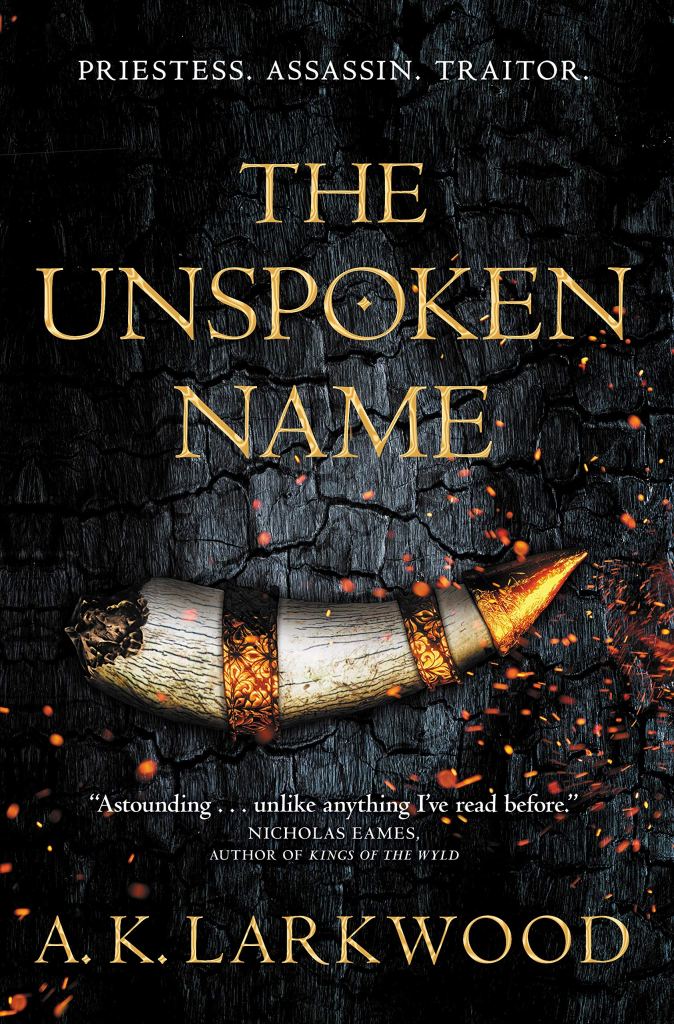
    The Unspoken Name by A.K. Larkwood is a dense fantasy novel that isn’t for everyone…but the person it’s for is going to LOVE it. This fast paced novel is about a lesbian orc who abandons her fate as a sacrifice to the Unspoken god and decides instead to become a mercenary for an ambiguously aligned wizard. There’s a sequel, The Thousand Eyes, out too!

    The Guncle

    by Steven Rowley

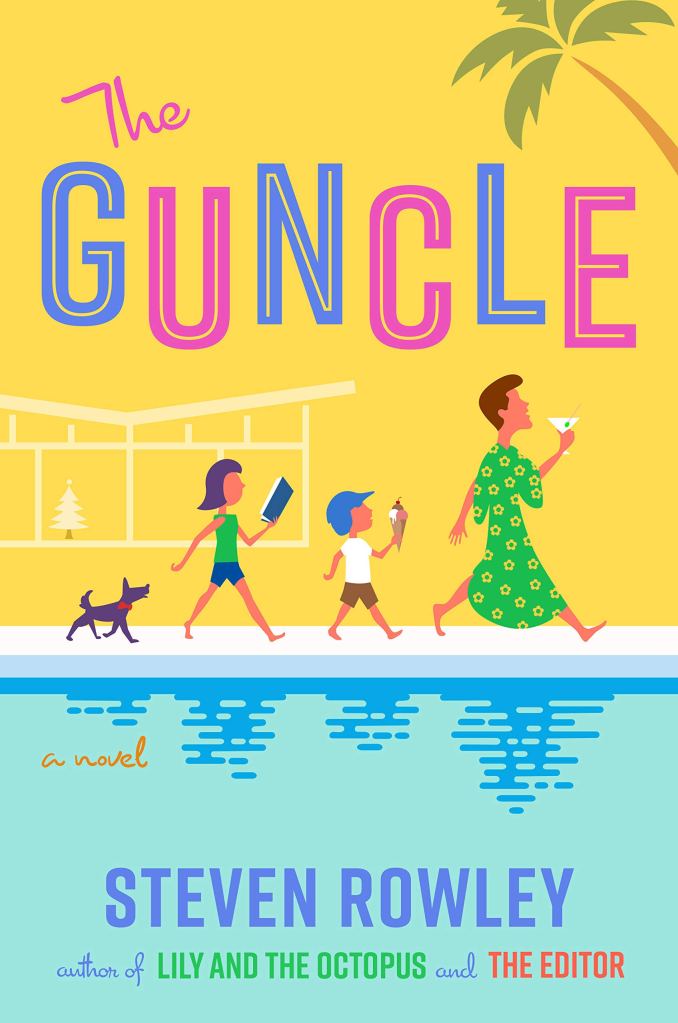
    For the family and friends who want their books to be warm-hearted and fun, The Guncle by Steven Rowley is a sure-fire hit! When the protagonist finds himself in charge of his niece and nephew for the summer, all three learn how to process grief and lean on the love of family with laugh-out-loud and sweet-but-not-sappy scenes.

    Pet

    by Akwaeke Emezi

    For the person who likes a fantasy story that’s a bit more accessible à la A Wrinkle in Time, Pet by Akwaeke Emezi is one of my favorites. This is a story about appearances and the ability to differentiate between a monster and an angel (literally and metaphorically). I love when an otherworldly being that is both scary and comforting enters a child’s life and helps them grow up to be a little wiser than they started.

    The Seven Husbands of Evelyn Hugo

    by Taylor Jenkins Reid

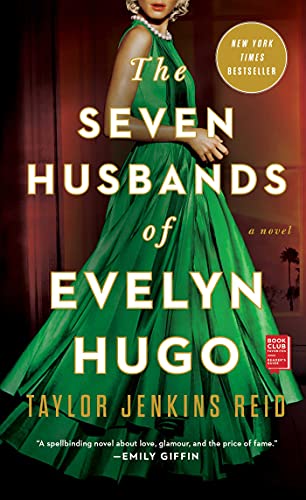
    I’ll end my list with another book with broad appeal. The Seven Husbands of Evelyn Hugo by Taylor Jenkins Reid is a story about Old Hollywood, determined women, and the relationships (real and faked) that made a young woman a movie star. It’s a page-turner with a satisfying ending that everyone can enjoy.


    More gift recommendations from the Roar Cat Reads’ Discord:

    • This is How You Lose the Time War by Amal El-Mohtar and Max Gladstone
    • Laura Dean Keeps Breaking Up With Me by Mark Tamaki and Rosemary Valero-O’Connell
    • She Who Became the Sun by Shelley Parker-Chan
    • Babel by RF Kuang

    Want more recommendations? Tell me what kind of person you’re buying a present for, and I’ll recommend books for you!

  • Gender Queer: A Memoir by Maia Kobabe

    Gender Queer: A Memoir by Maia Kobabe

    Genre | Graphic Novel Memoir
    Page #s | 240
    Publishing Date | May 2019

    In 2014, Maia Kobabe, who uses e/em/eir pronouns, thought that a comic of reading statistics would be the last autobiographical comic e would ever write. At the time, it was the only thing e felt comfortable with strangers knowing about em. Now, Gender Queer is here. Maia’s intensely cathartic autobiography charts eir journey of self-identity, which includes the mortification and confusion of adolescent crushes, grappling with how to come out to family and society, bonding with friends over erotic gay fanfiction, and facing the trauma of pap smears. Started as a way to explain to eir family what it means to be nonbinary and asexual, Gender Queer is more than a personal story: it is a useful and touching guide on gender identity—what it means and how to think about it—for advocates, friends, and humans everywhere.

    Goodreads

    Graphic novel memoirs are one of my favorite genres (see also: Spinning by Tillie Walden, Flamer by Mike Curato, and The Fire Never Goes Out by Nate Stevenson), and Gender Queer is one of the best. Kobabe chronicles eir winding gender journey with poignant honesty and an attention to detail that highlights the fact that it’s often the small moments in life that shape our understanding of ourselves.

    For anyone outside of the binary, this book is a breath of fresh air. In a world made for labels and boxes, it is incredibly disorienting to find oneself outside of the prescribed spaces. Tellingly, Kobabe points out that in avoiding societal boxes, e made eir own, which were sometimes equally unhelpful. One of my favorite stories was the realization that, because e is AFAB, e gravitated toward masculine outfits and hair styles. But when e dressed up as a man for Halloween, it gave em an allowance to lean into sequins and sparkles. It was a joy to watch Kobabe find eir fashion at the end that is a unique embrace of masculine and feminine styles.

    Within the book, Kobabe makes clear that some of the most impactful moments for eir self-esteem was when e had access to education and representation that normalized what e experienced. E has passed that gift on to queer readers, who will find themselves reflected on these pages, and to cis readers, who will have a personal story to lead them toward empathy and understanding.

    Who Do I Recommend This Book To?

    Gender Queer is a quick, deep read that is perfect for anyone who values honest reflections and well-told memories.

    Check out our Queer Lil Library for more book recommendations and reviews!

  • Zachary Ying and the Dragon Emperor by Xiran Jay Zhao

    Zachary Ying and the Dragon Emperor by Xiran Jay Zhao

    Genre | Middle Grade Fantasy
    Page #s | 340
    Publishing Date | May 2022

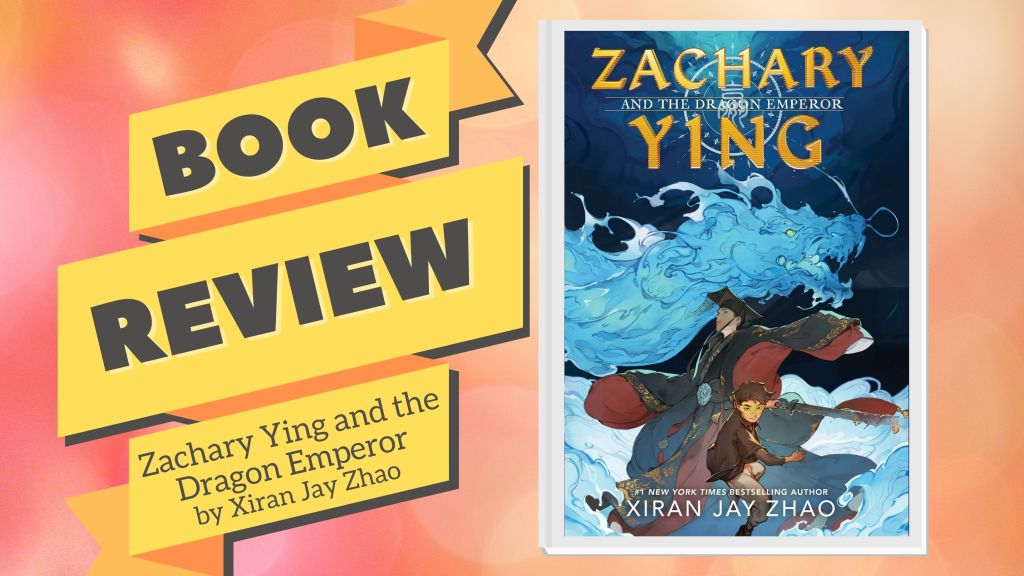
    Zachary Ying never had many opportunities to learn about his Chinese heritage. His single mom was busy enough making sure they got by, and his schools never taught anything except Western history and myths. So Zack is woefully unprepared when he discovers he was born to host the spirit of the First Emperor of China for a vital mission: sealing the leaking portal to the Chinese underworld before the upcoming Ghost Month blows it wide open.

    The mission takes an immediate wrong turn when the First Emperor botches his attempt to possess Zack’s body and binds to Zack’s AR gaming headset instead, leading to a battle where Zack’s mom’s soul gets taken by demons. Now, with one of history’s most infamous tyrants yapping in his headset, Zack must journey across China to heist magical artifacts and defeat figures from history and myth, all while learning to wield the emperor’s incredible water dragon powers.

    And if Zack can’t finish the mission in time, the spirits of the underworld will flood into the mortal realm, and he could lose his mom forever.

    Goodreads

    I will forever compare middle grade mythology adventures to the Percy Jackson series (which I love), and I’m happy to say that Zachary Ying and the Dragon Emperor captures the same energetically educational vibes while also introducing some very compelling moral ambiguity into the story.

    Using Augmented Reality goggles as the gateway to introducing and interacting with the powerful spirits of Chinese emperors who offer 12-year-olds enormous powers was ingenious, as was the Pokemon GO-style game that is mimicked in the book. It’s very fun and feels written in a very forward-facing, technology-driven mindset while exposing readers to legends and stories from thousands of years ago.

    For me, there were two real highlights to the book. First, Zachary is a Chinese-American who was raised to assimilate into American culture, so he wrestles with his cultural identity throughout the book as he has to interact with people, places, and languages that he is totally unfamiliar with. He is the perfect way for readers with little to know background knowledge of Chinese lore to catch up alongside him, but it’s also a very poignant story about embracing your culture, no matter what age or “how late.”

    Second, this novel plays around with moral ambiguity in a way that is pure catnip to me! Zachary and his friends have inherited the power of emperors, and emperors have historically gained their power through violent, paranoid, and oppressive means. This book embraces this fact and forces Zachary to wrestle with the nature of power and figuring out whether the people he is working with are the heroes…or the villains. It’s very compelling, and I can’t wait for the sequel for more!

    What Make This Book Queer?

    This is a middle grade adventure book, so Zachary’s sexuality is not the focus by any stretch of the imagination. However, he mentions being attracted to boys, and he’s disappointed when a cute boy shows interest in a girl. It’s all very innocent and sweet, and I think representing gay or queer kids at this age is so important!

    Also, there’s a throwaway comment about Zachary being very pretty. He says that’s not a good thing in American culture, and his new Chinese friend assures him he would be very popular in China because of it. It was a brief but powerful statement about the cultural construct that is gender!

    Who Do I Recommend This Book To?

    Zachary Ying and the Dragon Emperor is a fast, fun read that brings Chinese mythology to life in a dramatic and accessible adventure. A definite recommendation to anyone in Percy Jackson withdrawal.

    Check out our Queer Lil Library for more book recommendations and reviews!

  • Queer Books, Queer Readers:  Alex Recommends The Traitor Baru Cormorant

    Queer Books, Queer Readers: Alex Recommends The Traitor Baru Cormorant

    Alex (he/him) is a bisexual bilingual Britalian currently living on xʷməθkʷəy̓əm, Sḵwx̱wú7mesh, and səlilwətaɬ land. He is a literary translator from Italian into English, though he also dabbles with French and RPGs, and is co-editor of The Norwich Radical. His work has been published in NYT Magazine, The Massachusetts Review, The Short Story Project, and PEN Transmissions. You can find him around the internet at alexv.fyi or alexvalente.fyi.

    What queer book have you chosen to share with our readers today?

    Seth Dickinson’s The Traitor Baru Cormorant was the first book featuring queer women by a male writer that did not make me want to scratch my eyes out in frustration. It is also an intricate, detailed, historically accurate while being ahistorical, fantasy dissection of the powers of empire, colonialism, oppression and, most of all, assimilation. Baru is a young savant from the latest colony of the Masquerade, who decides to rise through the ranks and destroy the empire from within. Of course, at every step of her silent revolution, there are temptations (the women who work with, for, or against her tend to be most of them, especially Tain Hu, her field general) and limitations to what her imperial power can do, and Dickinson makes sure to wring every ounce of gut-churning tears and screams of frustration up to the very last page. It’s brutal, it’s visceral, it’s like nothing I had ever read before, and I will never forgive him for the ending. 

    Why is this book one of your favorites?

    I am very, very wary of books written by men about women, especially queer women. Dickinson came with some very good recommendations, and it still took me over a year to try the first book – in fact, it was his blog post about the world of Baru Cormorant that finally gave me the last push (and a good friend of mine reading ahead of me to vet it). I have been disappointed too many times, but this one managed to get so many things just right, while also not holding back on several punches and horrible twists, in a way that built a world instead of placidly and tacitly becoming complicit with the homophobia, transphobia, xenophobia and layers of oppression that the Masquerade enforces upon its subjects and colonies. It sits in the same general area as The Poppy Wars, She Who Became the Sun, The Unbroken as part of a new canon of queer explorations and subversion of colonial fantasy. It’s the one book I would recommend to anyone trying to write fantasy or any form of world-building. It’s just that good.

    How would you describe yourself as a reader?

    I am a very focused reader, both by professional deformation (translation: not even once) and by choice. I have very specific criteria on what books to choose to read because I have to dabble in so many I might not usually want to read for work. So I rarely choose litfic for pleasure, and tend to not read a lot of recent YA, for example, and try to steer clear of anything with law enforcement as main characters. But as I said above, I also avoid male writers unless they come from a marginalised background or identity, unless they come incredibly highly recommended, or their work is online as short stories or poems or novelettes. And even then, I have so much catching up to do with so many good really imaginative fiction (horror, fantasy, scifi, all of the above) writers I never even knew existed from my first decades of reading mostly male authors. I’m sure The Men won’t be missing me as a reader!

    As a queer person, have books helped you explore or express your queer identity?

    This might not be the answer you’re looking for but: I’m not sure it has. Or at least, not exactly. I do remember being shaken to the core when I first read Jeanette Winterson’s Written on the Body, but it was a similar reaction to Patrick Ness’ A Monster Calls or watching A Single Man – I’m not sure if queer stories are what I needed, but now that I look at it, there is a pattern of queer authors and creators that have had a recognisable impact on my own development and discovery, yes. 

    Other than reading, are there any queer nerdy recommendations that you would like to leave with our readers?

    There are many many many TTRPGs that are off the beaten track (i.e. D&D and its siblings) which deal with issues of identity, sexuality, marginalisation, class awareness, and subversion of violence as conflict resolution. Narrative games like Wanderhome and A Quiet Year, social games like Monsterhearts 2 or Big Gay Orcs, solo games like A Thousand Year Old Vampire or The Magus or Plot Armor, and even a few two people games, like Enticement, or Things, Eldritch and Terrifying. Go take a look at itch.io, try a few, and let them change how you look at stories, at games, and yourself.

    Thank you, Alex!

    Check out our Queer Lil Library for more book recommendations and reviews!

  • All the (Silmarillion) Feels | Chapter 1: Of the Beginning of Days

    All the (Silmarillion) Feels | Chapter 1: Of the Beginning of Days

    All the (Silmarillion) Feels is an emotion- and story-focused summary of The Silmarillion. You’ll get facts, but that’s not the point here. Let’s talk themes, meaningful quotes, and moments that made us go “WHOA.” I started this project after falling in love with The Rings of Power television show, so expect me to focus on things to do with Galadriel and Sauron.


    Chapter 1: Of the Beginning of Days

    The Two Lamps

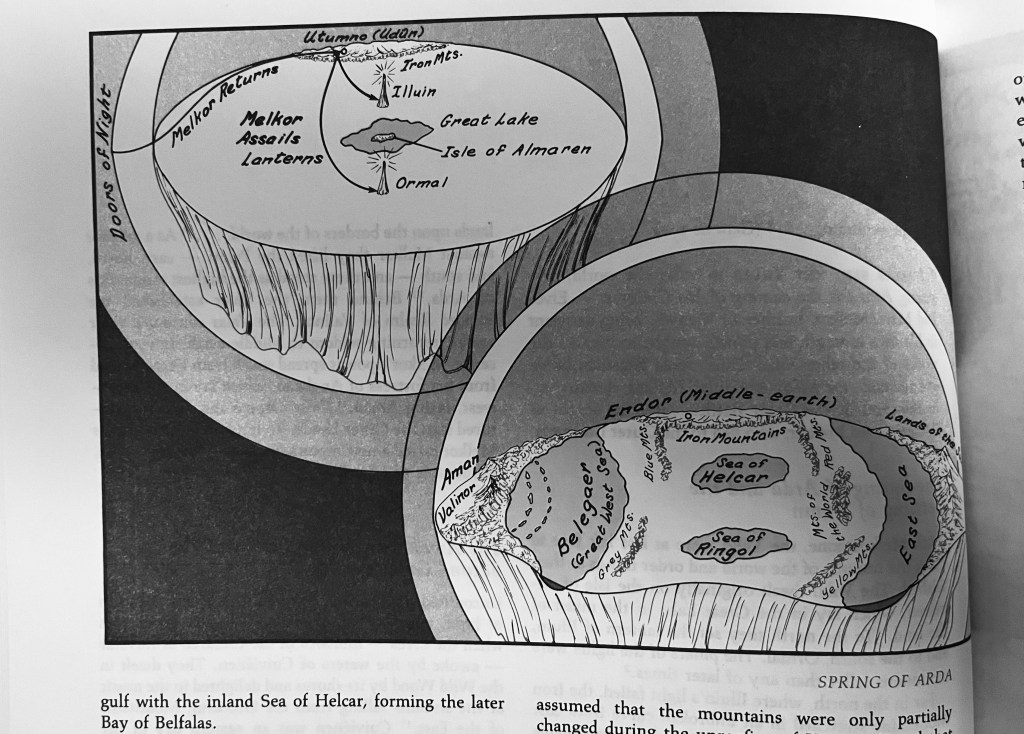
    It’s the beginning of the world, and the world is flat! The creative song of the Valar that we heard about in the Ainulindalë comes to fruition; Yavanna is the star here, planting trees and making the new world beautiful and lush. One of the things that sets the good guys apart in Tolkien’s world is their ability to work together (in a fellowship, if I may), and it is through the combined craft of Aulë, Yavanna, Varda, and Manwë that the two great lamps of Middle-earth give first light to the land, though this is technically set before Middle-earth looks anything like we’re used to. Karen Wynn Fonstad’s The Atlas of Middle-earth is a really fun resource for uber-nerds, and she’s drawn what this version of the world looked like in the top left image.

    To celebrate winning the First War against Melkor (about which little is said other than Tulkas having some Rohirrim-like battle joy) and the greenness of the land, the Valar party! In their distracted rest, Melkor sneaks back into the north of Middle-earth and builds his stronghold Utumno. No one realizes he’s there, but the lush land that Yavanna created begins to rot and grow poisonous. When he deems that he’s strong enough, he launches an attack on the two lamps, destroying them, casting the world into darkness, and literally throwing the earth into tumult.

    Valinor

    The Valar retreat far across the sea to the west, where they build a new home and name it Valinor – yes, the Valinor that the Elves in Lord of the Rings always talk about!

    “Valinor became more beautiful even than Middle-earth in the Spring of Area; and it was blessed, for the Deathless dwelt there, and there naught faded nor withered, neither was there any stain upon flower or leaf in that land, nor any corruption or sickness in anything that lived; for the very stones and waters were hallowed.”

    The Silmarillion, page 30.

    Valinor is very much a physical place, and a lot of action is going to happen here in future chapters, but as you can see from the quote above, it’s also got a lot of Heaven Vibes that are strongly leaned on in later books, like this gorgeous conversation between Pippin and Gandalf:

    PIPPIN: I didn’t think it would end this way.

    GANDALF: End? No, the journey doesn’t end here. Death is just another path, one that we all must take. The grey rain-curtain of this world rolls back, and all turns to silver glass, and then you see it.

    PIPPIN: What? Gandalf? See what?

    GANDALF: White shores, and beyond, a far green country under a swift sunrise.

    The Valar settle in, building a mountain range along the edge of the sea to keep Melkor out, and generally creating and singing together like the world’s original commune.

    All of this was done in darkness, since you’ll remember that Melkor destroyed the two lamps. Yavanna takes the lamp idea and makes them her own by singing into existence two trees to light the land: Telperion with silvery dark green leaves and Laurelin with golden light green leaves. Their light waxes and wanes and overlaps in 12-hour cycles, and time now exists in Valinor!

    The rest of the Valar keep on about their business, and we get some little hints about the relationships they will have with the Elves in the future, including the first name drop of the gems referenced in this book’s title: “Aulë it is who is named the Friend of the Noldor, for of him they learned much in the after days, and they are the most skilled of the Elves…The Noldor also it was who first achieved the making of gems; and the fairest of all gems were the Silmarils, and they are lost” (pg. 33). Spoilers!

    Middle-earth

    While the Valar are having a great time in Valinor, Melkor skulks around Middle-earth in cold and fire. He’s a Valar of extremes, which is a Tolkienian sign of unhealthiness! Although the focus in on Valinor, a few of the Valar keep a bit of attention on the lands where they once lived. Manwë gets regular information from his eagle and hawk friends; Ulmo never went to Valinor at all but continued to chill in the oceans; Yavanna returns to Middle-earth occasionally to heal the land’s hurts; and Oromë rides out to push Melkor’s dark forces back to Utumno. But those forces are never fully defeated, and one can’t help but think the Valar should focus their efforts and take care of him before anything gets out of hand! But then we wouldn’t have much of a story… and that seems to be something of Ilúvatar’s plan.

    Elves and Men

    The first chapter ends with a broad introduction to the Children of Ilúvatar, aka Elves and Men (Men here means humankind, though to be honest, Tolkien also mostly focuses on men!). If you watched The Rings of Power and thought the border elves were kind of harsh on the Southlanders (or heck, remember the disgust on Elrond’s face when he spits, “Men? Men are weak”), well, this is a very common thought amongst the early denizens of Middle-earth. Ilúvatar loves Men, but everyone else is a little skeptical. From the beginning, it’s said that they would “stray often, and would not use their gifts in harmony.” In fact, “the Elves believe that Men are often a grief to Manwë…for it seems to the Elves that Men resemble Melkor most of all” (pg. 36). Harsh.

    In contrast, listen to the Elves’ introduction:

    “The Quendi [Elves] shall be the fairest of all early creatures, and they shall have and shall conceive and bring forth more beauty than all my Children; and they shall have the greater bliss in this world.”

    The Silmarillion, page 35.

    What I find especially interesting about this is Tolkien’s reason for the great difference between the two. Men are given the gift of death, “which as Time wears even the Powers shall envy.” It seems that because of the short amount of time given to Men, it brings out the best and the worst in them, especially because Melkor “confounded it with darkness, and brought forth evil out of good, and fear out of hope.”

    Death as a gift is a theme that is revisited throughout Tolkien’s works, though it is never fully explained, because how could it be? I wrestle with this idea a lot, but in a society that glorifies youth and spends a lot of time and money resisting the inevitable, I find it helpful to sometimes think about death not as something to be feared, but as a reminder to live fully while I can. Memento mori.


    We end this chapter with Elves and Men, and in the next chapter we get one of my favorite stories: the creation of Dwarves! See you then.

  • All the (Silmarillion) Feels | Valaquenta: The Gods and Goddesses of Middle-earth

    All the (Silmarillion) Feels | Valaquenta: The Gods and Goddesses of Middle-earth

    All the (Silmarillion) Feels is an emotion- and story-focused summary of The Silmarillion. You’ll get facts, but that’s not the point here. Let’s talk themes, meaningful quotes, and moments that made us go “WHOA.” I started this project after falling in love with The Rings of Power television show, so expect me to focus on things to do with Galadriel and Sauron.


    Where are my Greek mythology girlies at? This is the chapter for you! Tolkien’s cisheteronormative pantheon includes seven gods and seven goddesses (aka Valar, six of which are paired off, and this section of The Silmarillion introduces us to each one (plus some lesser gods with VERY familiar names).

    Valaquenta: aka the Gods and Goddesses of Middle-earth

    Manwë, Lord of Arda

    Manwë rules the skies, which gives me serious Zeus vibes. However, he has none of the Greek gods’ licentiousness, because one of Tolkien’s favorite things is monogamy. He’s also less about lightning and more about birds, and yes, the Eagles are Coming was Manwë’s doing.

    Varda, Lady of the Stars

    Varda is the Valier who is most feared by Melkor because the light of Ilúvatar is in her face. The elves love her best of all the Valar, and she’s basically the personification of hope, so in the world of Tolkien, that makes her the best.

    RELATIONSHIP ALERT: Varda + Manwë

    The first couple in list and in power, I adore the fact that Tolkien mentions that their powers are greater when they are together. Varda helps Manwë see further, and Manwë helps Varda hear more clearly. I’m a big believer that couples should support and enhance each others’ strengths, so this note is right up my alley.

    Ulmo, Lord of Waters

    A solitary Valar with the heavy influence of Poseidon, Ulmo symbolizes freedom. He doesn’t go to meetings, he doesn’t rest, he doesn’t like to appear to elves or men, though he will help out if necessary. He just wants to hang out in the deeps of the sea, making him the patron saint of introverts.

    Aulë, Master of All Crafts

    Aulë is the good Morgoth, and maps onto Hephaestus pretty well. They both love making original content, but while Morgoth does it for his own glory, Aulë shared what he made and was open to direction by Ilúvatar. The Dwarves love Aulë because he’s all about gems and gold, and SPOILER, but Aulë is actually their daddy.

    Yavanna, Giver of Fruits

    As the lover of all things that grow, Yavanna is the Demeter of Middle-earth. There’s a great image of her as a giant woman robed in green, with roots stretching to Ulmo’s waters and branches high in Manwë’s sky…kind of like if the Norse tree of life, Yggdrasil, was a lady, which I am very into.

    RELATIONSHIP ALERT: Yavanna and Aulë

    Relationships in mythology are used to show the interrelationship of natural things. In this case, the two Valar are a celebration of the earth, above and below, as well as the creative capacity of natural substances. Yavanna gives me serious elvish vibes while Aulë is strongly connected to the dwarves; the fact that these two races are so often at odds is extra tragic when we’re told here that the two are best when working together.

    Námo/Mandos, Keeper of the Houses of the Dead

    It’s Hades! Mandos is the place which essentially becomes Námo’s name, and he’s the keeper of knowledge and souls, the pronouncer of Doom upon the world. But like, in a heavy but not evil way?

    Vairë, the Weaver

    Vairë is the three Fates as one being, and she weaves the webs of Time in ever-widening halls. Pretty badass, if you ask me, though she does sound a bit like a spider.

    RELATIONSHIP ALERT: Mandos and Vairë

    These two are the gothic couple that everyone respects but doesn’t invite round for tea.

    Irmo/Lórien, Master of Visions and Dreams

    Can’t read Lórien without thinking Lothlórien, am I right? Galadriel will rule over Lothlórien someday, and her Mirror gives visions…COINCIDENCE?

    Estë, Healer of Hurts and Weariness

    What a useful, lovely goddess! The equivalent deity that springs to mind is Becky Chambers’ Allalae, the god of small comforts. Estë seems to sleep all the time, and she gifts rest to those who need it. Love a sleepy girl.

    RELATIONSHIP ALERT: Lórien and Estë

    Do you have friends who, when you go to their place, you know you’ll feel cozy and cared for? Honestly, I aspire to be that friend, and now I know who to emulate. Tolkien says that the Valar head to Lórien and Estë’s house when they need to ease their burdens; sounds nice.

    Nienna, Lamenter of Grief

    Nienna is a downer at first glance since she is melancholy personified, and I LOVE that Tolkien made this emotion a deity. She is “acquainted with grief” and her mourning was woven into the song of creation. But she isn’t morbid. Her grief enables others to “learn pity, and endurance in hope.” She’s a single lady, and like a wise guru, people come to her to so that their sorrow can be turned to wisdom.

    NOTE: One of the Maiar (lesser gods) who spent a lot of time with Nienna is Olórin. The name he’s better known by? GANDALF.

    Tulkas the Valiant

    Tulkas is Thor, the broiest of the Valar. He loves fighting and proving his physical prowess. You can just imagine him bouncing around asking people to dare him to jump over a mountain or wrestle a bear.

    Nessa the Fleetfooted

    Nessa is Artemis if Artemis also loved dancing. She likes deer? This is pretty much all we know about her.

    RELATIONSHIP ALERT: Tulkas and Nessa

    What does their relationship reveal? They both have an air of wildness about them, though in possibly the most heteronormative way possible. Tulkas is all manly brawls, while Nessa is nimble and quick. A classic barbarian/rogue team up?

    Oromë, Lord of Forests

    This guy loves Middle-earth the most (as opposed to Valinor, the heavenly land where the Valar live and the elves sail to), and Oromë is the original horse boy, in whose footsteps Aragorn and his ancestors will someday tread.

    Vána, Ever-young

    The younger sister of Yavanna (see tree goddess above), this Valier is all about flowers and birdsong. She’s basically the template for a 20th century Disney princess.

    RELATIONSHIP ALERT: Oromë and Vána

    The feeling I get with these two is a May-December romance that feels kinda skeezy from the outside, but they’re genuinely happy on their ranch, where they garden and hunt to their hearts content.

    Melkor aka Morgoth

    This guy is counted among “The Enemies,” though he was once the mightiest of the Valar. He’s a classic case of hubris, desiring things he couldn’t have and ruining (and being ruined) in the process of pursuing them.

    “Melkor spent his spirit in envy and hate, until at last he could make nothing save in mockery of the thought of others, and all their works he destroyed if he could.”

    Page 18

    He is especially tied to darkness, which is likely why he’s so afraid of Varda and her light. He’s power drew a lot of people to his side among the Maiar (lesser gods), including Ossë, who rules the coasts, the Balrogs, and SAURON. Tellingly, Tolkien points out that Sauron was not as evil as Morgoth because he served another rather than himself. It’s when Morgoth is gone and he claims total power to rule for himself alone that he’s truly beyond redemption.

    (If you’ve got feels about how this relates to his offer to share power with Galadriel in episode 8 of Rings of Power, then WOW, let’s please talk in the comments.)


    With the Ainulindalë and Valaquenta done, we move into The Silmarillion proper! It’s time to focus on the original piece of jewelry that threw all of Middle-earth into a tizzy.

  • The Oleander Sword by Tasha Suri

    The Oleander Sword by Tasha Suri

    Genre | Fantasy
    Page #s | 512
    Publishing Date | August 2022

    The prophecy of the nameless god—the words that declared Malini the rightful empress of Parijatdvipa—has proven a blessing and curse. She is determined to claim the throne that fate offered her. But even with the strength of the rage in her heart and the army of loyal men by her side, deposing her brother is going to be a brutal and bloody fight.

    The power of the deathless waters flows through Priya’s blood. Thrice born priestess, Elder of Ahiranya, Priya’s dream is to see her country rid of the rot that plagues it: both Parijatdvipa’s poisonous rule, and the blooming sickness that is slowly spreading through all living things. But she doesn’t yet understand the truth of the magic she carries.

    Their chosen paths once pulled them apart. But Malini and Priya’s souls remain as entwined as their destinies. And they soon realize that coming together is the only way to save their kingdom from those who would rather see it burn—even if it will cost them.

    Goodreads

    I’ll cut to the chase: I didn’t think The Oleander Sword lived up to its predecessor, The Jasmine Throne. That’s not to say it’s bad, but I do think it suffers from trying to do too much. Most appalling (in my book, at least), I found the romance between Malini and Priya incredibly lackluster. They are leaders of countries negotiating love and alliances, and that should be positively BOILING with tension. Is it possible to get insta-love vibes from an established relationship?

    What does work in The Oleander Sword is watching Malini’s march toward dethroning her brother and claiming the empire for herself while we the readers slowly realize that her fight is slow potatoes compared to what’s coming. The yaksa and the rot are Suri’s best invention, and every time she made flowers ominous, I shuddered in delighted horror. I can’t wait to see what is coming in the third book.

    I also continue to enjoy the themes of sacrifice that run through this series. Again and again, we’re asked to consider the point at which a sacrifice is no longer worth making, whether it’s obviously appalling (Chandra burning women alive to create living fire) or willing but dangerous (Priya pushing both her magic and her luck). There are no easy answers here, and I love that!

    Although the humans felt a little lacking this time around, we did get a lot more from the deities who all seem to have their own plan for the empire. I am VERY excited to see more of that in the last book of The Burning Kingdoms trilogy.

    Who Do I Recommend This Book To?

    Although not my favorite, The Oleander Sword is still a must-read for anyone who enjoyed The Jasmine Throne!

    Check out our Queer Lil Library for more book recommendations and reviews!

  • Queer Book Recommendations from Authors, Librarians, Book Sellers, and Bloggers

    Queer Book Recommendations from Authors, Librarians, Book Sellers, and Bloggers

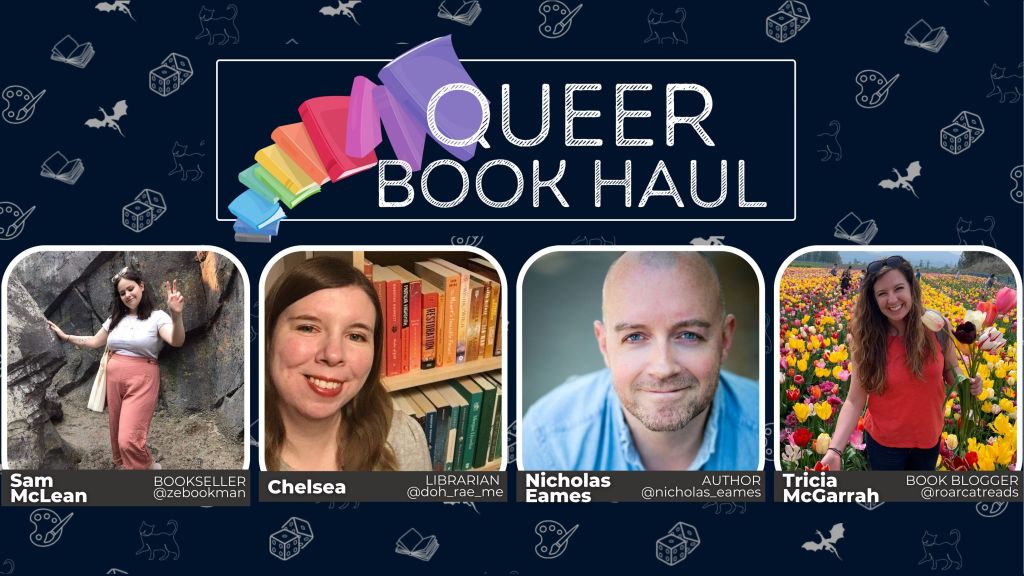
    On October 29th, 2022, we streamed a Queer Book Haul with guests Nicholas Eames, Chelsea, Sam McClean, and Tricia McGarrah to share our favorite LGBTQ+ book recommendations and raise money for Rainbow Refugee. The full video can be watched below.

    Click on each title to be taken to its Goodreads page; if the book has been reviewed by Roar Cat Reads, it is marked and linked as such.


    Nicholas Eames

    Author

    Chelsea

    Librarian

    Sam McClean

    Book Seller

    Tricia McGarrah

    Book Blogger

  • All the (Silmarillion) Feels | Ainulindalë

    All the (Silmarillion) Feels | Ainulindalë

    Watching season one of The Rings of Power brought my deep and abiding love of J.R.R. Tolkien’s stories of Middle-earth back to forefront of my interests, and when it ended I knew I wanted to reread The Silmarillion to continue living in pre-Lord of the Rings history. This is a startlingly beautiful book that is, nevertheless, very dense and intimidating. There are a plethora of deep dives and fact battles out there for the reader who wants to focus on timelines and details. But if you’re like me, you would much prefer a guided walk through the stories prioritizing emotions and relationships. Hence, All the (Silmarillion) Feels.


    Some people consider The Silmarillion to be the bible of The Lord of the Rings, so it’s fitting that we begin in the same place: with the god(s), before the world was made, in a story that is more poem than prose.

    Ainulindalë: aka The Creation Myth of Middle-earth

    In just nine pages, Tolkien rolls out an awe-inspiring creation story based in music, conflict, and hope. I’ll be honest, it’s hard for me to read this bit without going deep into my religious feels, but I already wrote that essay in my personal blog in 2015: “Theodicy and The Silmarillion.” For our purposes here, I’ll stick to themes and values that go beyond any particular religion.

    Main Characters

    • Ilúvatar: God, basically
    • Melkor (soon to be known as Morgoth): Satan, basically
    • Ainur/Valar: gods in the vein of Zeus, Poseidon, etc.

    Middle-Earth’s HR Policies

    Middle-earth is created by music sung by the gods, which such a great emotional image. I can just imagine that a river is a song given physical form, you know? Ilúvatar is the manager of our dreams, laying out a clear picture of what he expects to see and then rewarding the tentative attempts of his workers until they are confident in their ability to sing beauty into existence. When one worker (Melkor) gets ideas of grandeur into his head and begins to sing his own song, Ilúvatar weaves the songs together into something greater than before. There’s even a bit that reads like a progressive discipline manual, with Ilúvatar reacting to Melkor’s initial shenanigans with a smile, then with sternness, and finally with a face “terrible to behold.” It’s a poetic glimpse of the story we’re going to read in The Silmarillion, The Hobbit, and The Lord of the Rings: beautiful, patient, melancholy, tragic, and ultimately: cathartic. The good and the bad feel worth it, and maybe even necessary.

    Where Are the Ladies?

    It’s worth noting here that Tolkien’s Catholicism shows in his fantasy religious hierarchy of male-defaulted deities. The three Valar that are named (plus Melkor) are all male, though the equivalent of goddesses will exist in future chapters. There’s also some old-fashioned gender essentialism in Tolkien’s description of the Valar taking on physical form. He does a lot of things really well, my favorite cis white fantasy author, but nuanced depictions of gender and sexuality are not among his talents.

    Don’t Play D&D with Melkor

    Easily the most emotional part of this introduction is the fact that over and over again, good is made out of evil. Exactly how that evil is portrayed (pride, impatience, envy) can be accepted or not, but the key thing here is that every time Melkor tries to wrest control of creation through violence, the end result is something beautiful. Creation is meant to be a group project, one in which personal flourishes are applauded but expected to work alongside everyone else’s flourishes. It’s like in D&D when you tell the players not to hog the spotlight but instead draw out those who are quieter or more timid. Melkor would be a disaster to play D&D with.

    Luckily, Ilúvatar is a great GM. When the Valar complain about Melkor ruining their campaign, he basically says, “Yeah, I know it sucks that he made bitter frost and fire without restraint, and it’s ruining the setting you’re trying to create. But hey, I took his ideas of extreme temperature, and they’re actually going to cause mist, clouds, and rain. And those are really great.”

    Beauty isn’t the only thing made out of discord; connection is too. The god of the air (Manwë) and the god of the sea (Ulmo) are the ones complaining about Melkor’s shitty behaviour, and his actions allow the two of them to work together more closely.

    “Then Ulmo answered: ‘Truly, Water is become now fairer than my heart imagined, neither had my secret thought conceived the snowflake, nor in all my music was contained the falling of the rain. I will seek Manwë, that he and I may make melodies for ever to thy delight!’ And Manwë and Ulmo have from the beginning been allied, and in all things have served most faithfully the purpose of Ilúvatar.”

    Page 9

    Today’s Emotion is: Trust

    There’s a lot of lore and a lot of values packed into the Ainulindalë; we’re going to see them play out over and over again in the remaining 354 pages. As a truly talented storyteller, Tolkien is confident enough in his story that he gives away the ending right at the beginning: It’s going to be alright.

    I love reading Tolkien’s work because it is religion, therapy, and entertainment wrapped up in one. “Things are going to be terrible,” I see him saying, “but that isn’t all there is. Find the beauty in the pain, and trust that in the end, it will all be okay.”

    And you know what? I trust him.

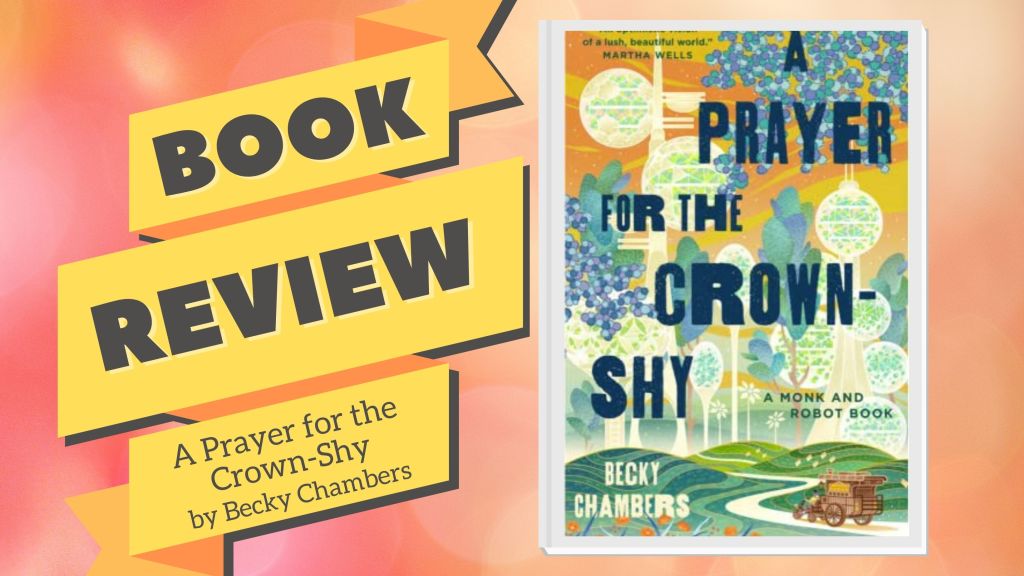
  • A Prayer for the Crown-Shy by Becky Chambers

    A Prayer for the Crown-Shy by Becky Chambers

    Genre | Science Fiction Novella
    Page #s | 152
    Publishing Date | July 2022

    After touring the rural areas of Panga, Sibling Dex (a Tea Monk of some renown) and Mosscap (a robot sent on a quest to determine what humanity really needs) turn their attention to the villages and cities of the little moon they call home.

    They hope to find the answers they seek, while making new friends, learning new concepts, and experiencing the entropic nature of the universe.

    Becky Chambers’s new series continues to ask: in a world where people have what they want, does having more even matter?

    They’re going to need to ask it a lot.

    Goodreads

    I adored the first Monk & Robot book, A Psalm for the Wild-Built, so I was surprised to find that I liked A Prayer for the Crown-Shy even more! Where the first book allowed us to meet our two protagonists, this time we get to see them interact with people and towns, which brings out new observations and interactions that are, as always, delightful. If you’re not familiar with Becky Chambers’ work, “delightful” is the watchword. Never has an author so consistently written the literary version of a mental hug.

    As Dex takes Mosscap from settlement to settlement, we have the pleasure of seeing a cozy utopia from an outsider’s perspective, from socialist currencies to next generation 3D printers to polyamorous family systems to the simply joy of a satchel. Along the way, the pair continue to have thoughtful philosophical questions, most notably about the ethical limits of medical care.

    I am unsure whether or not there will be more novellas in this series, but I desperately hope so. Now that we’ve seen the two meet then visit human civilization, I am crossing all my fingers hoping that Mosscap will take Dex to meet some of the other robots. I’m not ready for this lovely story to be over!

    Who Do I Recommend This Book To?

    A Prayer for the Crown-Shy is the perfect book for someone who wants to sink into a well thought-out futuristic sci-fi story that provides hope and appreciation for our own world.

    Check out our Queer Lil Library for more book recommendations and reviews!

  • A Lady for a Duke by Alexis Hall

    A Lady for a Duke by Alexis Hall

    Genre | Historical Fiction Romance
    Page #s | 480
    Publishing Date | May 2022

    When Viola Caroll was presumed dead at Waterloo she took the opportunity to live, at last, as herself. But freedom does not come without a price, and Viola paid for hers with the loss of her wealth, her title, and her closest companion, Justin de Vere, the Duke of Gracewood.

    Only when their families reconnect, years after the war, does Viola learn how deep that loss truly was. Shattered without her, Gracewood has retreated so far into grief that Viola barely recognises her old friend in the lonely, brooding man he has become.

    As Viola strives to bring Gracewood back to himself, fresh desires give new names to old feelings. Feelings that would have been impossible once and may be impossible still, but which Viola cannot deny. Even if they cost her everything, all over again.

    Goodreads

    I confess that I was confused and intrigued by the idea of a trans romance Regency novel – although I know trans people have always existed, I had no conception for what that might might have looked like before the modern era. A Lady for a Duke, while being delightfully anachronistic in some ways, provided a realistic picture of the path a trans woman might have taken. Namely, using their assumed death in war as an opportunity to present themselves to society as their true gender.

    I loved 90% of this book. The dialogue sparkles, the characters are unique and quirky, and the romance is positively sizzling. I am a huge friends to lovers fan, and adding in the drama of an assumed death made it all the richer. I also appreciated that revelations and “betrayals” were dealt with fairly quickly; I didn’t have to sit around for ages thinking: “Just TALK to each other already!” These were emotionally mature characters, and for that I am grateful. I also loved the diversity of queer characters, and I’m crossing my fingers that there will be a sequel that focuses on one of them.

    What about that 10% that I didn’t enjoy? The end of the book went in a weird direction, to my mind. The book didn’t need a villain, and if it did, having one in the B plot show up at the end in comically evil fashion fell too flat and too late. It killed my buzz as the story was wrapping up, which sucks! But writing this a couple weeks after finishing the novel, I can say that this part has mostly left my mind and the parts that stick out are the sweet and spicy moments that populate the majority of the book.

    Who Do I Recommend This Book To?

    Romance readers, A Lady for a Duke is for you if you like friends to lovers and a bit of anachronistic sparkle to your Regency reads.

    Check out our Queer Lil Library for more book recommendations and reviews!

  • The Lesbiana’s Guide to Catholic School by Sonora Reyes

    The Lesbiana’s Guide to Catholic School by Sonora Reyes

    Genre | YA Contemporary Fiction
    Page #s | 400
    Publishing Date | May 2022

    Sixteen-year-old Yamilet Flores prefers to be known for her killer eyeliner, not for being one of the only Mexican kids at her new, mostly white, very rich Catholic school. But at least here no one knows she’s gay, and Yami intends to keep it that way.

    After being outed by her crush and ex-best friend before transferring to Slayton Catholic, Yami has new priorities: keep her brother out of trouble, make her mom proud, and, most importantly, don’t fall in love. Granted, she’s never been great at any of those things, but that’s a problem for Future Yami.

    The thing is, it’s hard to fake being straight when Bo, the only openly queer girl at school, is so annoyingly perfect. And smart. And talented. And cute. So cute. Either way, Yami isn’t going to make the same mistake again. If word got back to her mom, she could face a lot worse than rejection. So she’ll have to start asking, WWSGD: What would a straight girl do?

    Told in a captivating voice that is by turns hilarious, vulnerable, and searingly honest, The Lesbiana’s Guide to Catholic School explores the joys and heartaches of living your full truth out loud.

    Goodreads

    The Lesbiana’s Guide to Catholic School hit me with my exact preferred mix of YA lightness and drama. Yami is a teen who’s been burned by coming out to her best friend and has the chance to start over at a new school…only there’s a hot girl who’s out and making it really hard for Yami to pretend to be straight. Silly shenanigans! Yami’s brother is bisexual and dating a boy, and she pretends to date him so their parents won’t find out about either of their sexualities. More silly shenanigans!

    But there are also truly deep themes here of religious trauma, mental illness and self-harm, class comparisons, and a family’s homophobic conditional love. Each is handled seriously and deftly, creating a story that is truly multi-faceted and realistic. There are happy endings, but not A Happy Ending in which everything works out in every way for everyone.

    The romance at the center of the book is very good, but the true marker of a good YA book to me is if there are equally important relationships to the main character. This is definitely the case here, as Yami deals with a former best friend, her beloved brother, her overworked mother, her deported father, her new friends at a new school, and Bo, her new crush. Each relationship shapes Yami and has its own resolution. I loved it!

    Who Do I Recommend This Book To?

    The Lesbiana’s Guide to Catholic School is the YA book to give to your friend who says they’re over YA books.

    Check out our Queer Lil Library for more book recommendations and reviews!

  • Snapdragon by Kat Leyh

    Snapdragon by Kat Leyh

    Genre | Fantasy Middle Grade Graphic Novel
    Page #s | 224
    Publishing Date | February 2020

    Kat Leyh’s Snapdragon is a magical realist graphic novel about a young girl who befriends her town’s witch and discovers the strange magic within herself.

    Snap’s town had a witch.

    At least, that’s how the rumor goes. But in reality, Jacks is just a Crocs-wearing, internet-savvy old lady who sells roadkill skeletons online. It’s creepy, sure, but Snap thinks it’s kind of cool, too.

    Snap needs a favor from this old woman, though, so she begins helping Jacks with her strange work. Snap gets to know her and realizes that Jacks may in fact have real magic—and an unlikely connection to Snap’s family’s past.

    Goodreads

    I had the pleasure of seeing Kat Leyh speak at a panel at Emerald City Comic Con, and combined with my love for her graphic novel Thirsty Mermaids, I knew it was time to read more of her work. I picked up Snapdragon, read it in one go, and left it on my girlfriend’s pillow. She also read it in a day, and we agreed that it is an utter delight!

    Snapdragon is a middle grade graphic novel about outcasts, young and old. Snap is a passionate, rambunctious kid who befriends the local witch and helps her care for animals, both living and deceased. I have never cared about possums until this book, and now I am cooing over online videos of possum moms laded with piggyback riding babies.

    As Leyh mentioned in her panel, this is a book about queerness that isn’t about sexuality (because the protagonist is a kid who isn’t thinking about that yet). Snap’s friend comes into confidence as trans throughout the pages, and Snap’s mom is a master class in how to support your kids and their friends. The witch that Snap befriends has a queer history with some sweet twists that I don’t want to spoil for you!

    This is a beautifully drawn story full of characters diverse in gender, sexuality, race, and size. I cannot recommend it enough.

    Who Do I Recommend This Book To?

    Honestly, I can’t imagine who would dislike Snapdragon, but this book is especially for the intense animal lovers in your life. You know, not just those that love kittens and puppies, but who will get weepy over a sea turtle documentary.

    Check out our Queer Lil Library for more book recommendations and reviews!