Tag: historical fiction

  • My 6 Favorite LGBTQ+ Books Read in 2025 (so far)

    My 6 Favorite LGBTQ+ Books Read in 2025 (so far)

    Whether you’re a fan of romance, fantasy, contemporary fiction, or historical fiction, I’ve got a book recommendation for you! These are my six favorite queer books that I’ve read (not released) so far this year.

    My 6 Favorite LGBTQ+ Books Read in 2025 (so far)

    The Atlas Six

    by Olivie Blake
    Fantasy, 376 pages

    Set in a version of the present day where magic exists and is treated as interchangeable with science, this book’s plot (good) is vastly overshadowed by its worldbuilding (incredible) and character studies (phenomenal). With six protagonists offering chapters from their unique POVs, I was overwhelmed by Blake’s ability to create such morally complex and interesting characters. I would have read 1,000 pages of their inner lives and motivations, and am, in fact, off to read the sequel immediately!


    Rough Trade

    by Katrina Carrasco
    Historical fiction, 384 pages

    Unlike anything I’ve read before, this historical novel centers oppressed narratives with working class smugglers in 1880 Tacoma, Washington who are female, or gay, or gender non-conforming. There are no “good” or “bad” characters here, only complicated people trying to get a little bit more than they have and realizing what they’ll do in order to accomplish their goals. Absolutely fascinating!
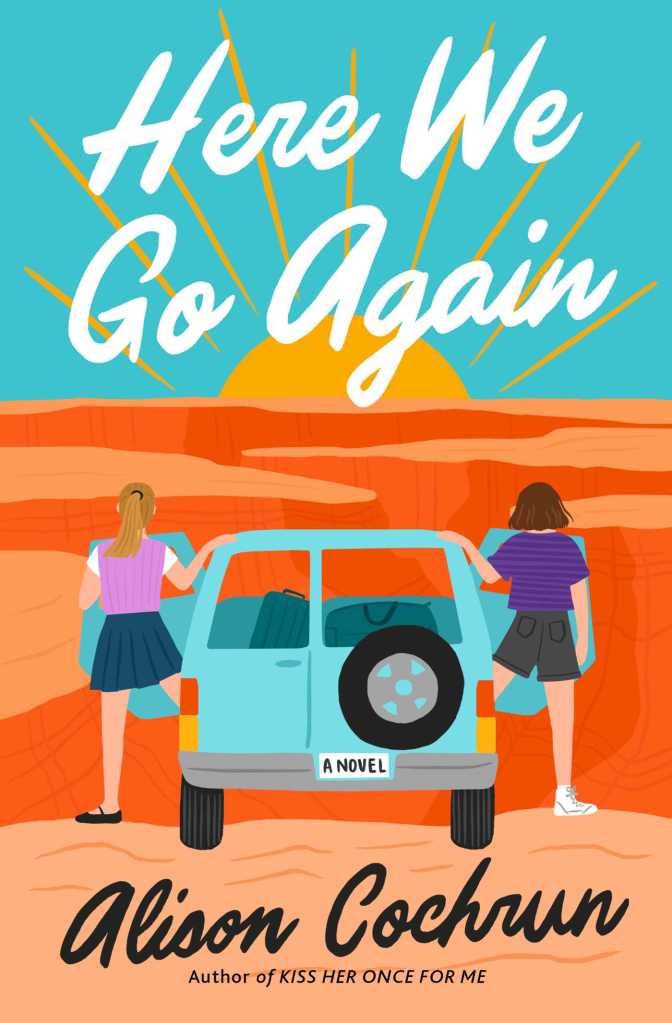

    Here We Go Again

    by Alison Cochrun
    Contemporary romance, 368 pages

    I adore a romance novel with enough meat to make me cry, and this succeeds easily by circling the spicy romance of the childhood-friends-turned-rivals around their mutual love of their dying teacher and father-figure. This book is queer family at its absolute best, with a road trip that brings out the best and worst in each person. Logan and Rosemary are believably annoyed with each other AND in love with each other, and this is the exact dynamic I like in a romance.
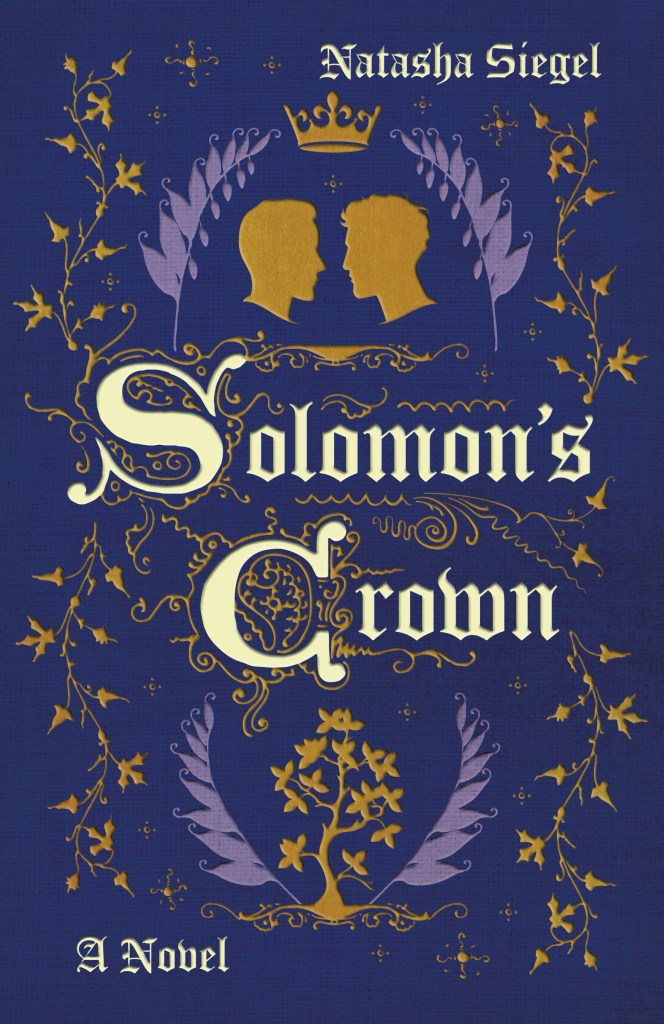

    Solomon’s Crown

    by Natasha Siegel
    Historical romance, 368 pages

    I am a huge fan of Eleanor of Aquitaine, and I long for historical romance novels set outside of the English Regency era, so this book was absolutely what I was looking for! Who wouldn’t want to read about feuding kings in the 1100s falling in love with each other? This is historical-lite, since Richard the Lionheart and King Philip of France did not actually fall in love (probably), but I loved the conflict between choosing between what is best for their countries and what is best for their hearts, swoon!
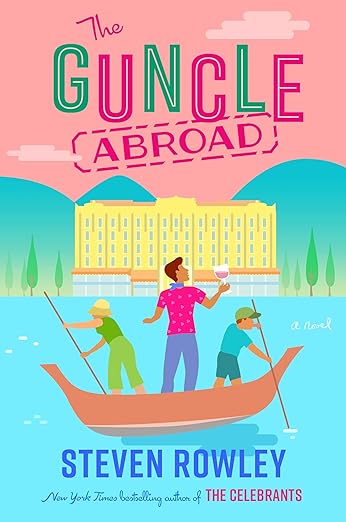

    The Guncle Abroad

    by Steven Rowley
    Contemporary fiction, 320 pages

    Steven Rowley has quickly become a must-read author for me. This sequel (that can easily be read as a standalone) captures the same humor, depth, and care as its precursor, The Guncle. This time the focus is on the complications and joys of love rather than grief, and the addition of European travels and wedding hijinks makes this possibly even more fun to me!? Seems impossible, but there you go. If you love a feel-good story with real heart and depth, you’ve got to read Rowley’s novels!
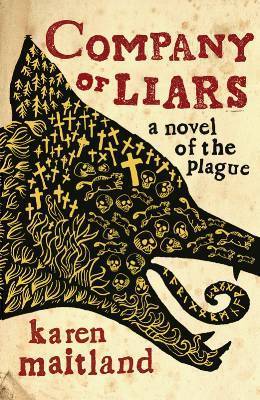

    Company of Liars

    by Karen Maitland
    Historical fiction, 576 pages

    This novel about a group of people traveling across England in the 1300s to avoid the plague is The Canterbury Tales meets And Then There Was One. It is a fascinating glimpse into the superstitions of the time, and most impressively, Maitland slowly draws you into the world so that by the end, I found myself as superstitious as the characters I had judged at the beginning. It is incredibly immersive, but that does include some pretty harrowing scenes as well, so take the content warnings seriously!

    CW: Anti-Semitism, homophobia, period-accurate violence


    What are your favorite books that you’ve read so far in 2025? Share them in the comments and let me know if I should read them too!


  • When Women Were Dragons by Kelly Barnhill

    When Women Were Dragons by Kelly Barnhill

    Genre | Fantasy
    Page #s | 352
    Publishing Date | May 2022

    Alex Green is a young girl in a world much like ours, except for its most seminal event: the Mass Dragoning of 1955, when hundreds of thousands of ordinary wives and mothers sprouted wings, scales, and talons; left a trail of fiery destruction in their path; and took to the skies. Was it their choice? What will become of those left behind? Why did Alex’s beloved aunt Marla transform but her mother did not? Alex doesn’t know. It’s taboo to speak of.

    Forced into silence, Alex nevertheless must face the consequences of this astonishing event: a mother more protective than ever; an absentee father; the upsetting insistence that her aunt never even existed; and watching her beloved cousin Bea become dangerously obsessed with the forbidden.

    In this timely and timeless speculative novel, award-winning author Kelly Barnhill boldly explores rage, memory, and the tyranny of forced limitations. When Women Were Dragonsexposes a world that wants to keep women small—their lives and their prospects—and examines what happens when they rise en masse and take up the space they deserve.

    Goodreads

    This magical realism historical novel was slow-to-start, but stick with it! When Women Were Dragons packs a punch, conveying powerful messages about patriarchy, feminism, and political silencing into a story about a young lesbian woman growing up in a world that refuses to acknowledge that women can dragon.

    Yes, that means women turn into dragons! Here, dragoning represents a woman’s inner rage at being constricted in a patriarchal world as well as her inner joy at being fully herself. It’s beautiful, scary, and complicated, and the book’s setting in the 1950s highlights the limited options for women while also feeling annoyingly timeless. The more things change, etc.

    At first, I could not fathom how this fictional society managed to ignore something as huge as women turning into dragons, but parallels are explicitly drawn between this and other female experiences that we ignore, like menstruation, menopause, and miscarriages. The absurdity of ignoring dragons highlights the absurdity of our own world and the things we do not speak about.

    I read this book for a book club, and it is one of those rare books that was both widely enjoyed AND provided a lot of conversational fodder. (I don’t know about you, but usually enjoyed books fade away after “I liked it” while books that weren’t enjoyed can be talked about endlessly.) I still think about it months after reading it, and I’m eager to read more of Barnhill’s work!

    Small note: I do want to point out something I appreciated in this story, that while it is female-focused, dragoning is not bioessentialist. Hurray for feminist texts that are not trans-exclusionary!

    Who Do I Recommend This Book To?

    If you liked The Power, then When Women Were Dragons is likely going to be right up your alley!

    Check out our Queer Lil Library for more book recommendations and reviews!

  • Lavender House by Lev AC Rosen

    Lavender House by Lev AC Rosen

    Genre | Mystery Historical Fiction
    Page #s | 274
    Publishing Date | October 2022

    A delicious story from a new voice in suspense, Lev AC Rosen’s Lavender House is Knives Outwith a queer historical twist.

    Lavender House, 1952: the family seat of recently deceased matriarch Irene Lamontaine, head of the famous Lamontaine soap empire. Irene’s recipes for her signature scents are a well guarded secret—but it’s not the only one behind these gates. This estate offers a unique freedom, where none of the residents or staff hide who they are. But to keep their secret, they’ve needed to keep others out. And now they’re worried they’re keeping a murderer in. 

    Irene’s widow hires Evander Mills to uncover the truth behind her mysterious death. Andy, recently fired from the San Francisco police after being caught in a raid on a gay bar, is happy to accept—his calendar is wide open. And his secret is the kind of secret the Lamontaines understand. 

    Andy had never imagined a world like Lavender House. He’s seduced by the safety and freedom found behind its gates, where a queer family lives honestly and openly. But that honesty doesn’t extend to everything, and he quickly finds himself a pawn in a family game of old money, subterfuge, and jealousy—and Irene’s death is only the beginning. 

    When your existence is a crime, everything you do is criminal, and the gates of Lavender House can’t lock out the real world forever. Running a soap empire can be a dirty business.

    Goodreads

    Sometimes you don’t even realize a genre needs a queer spin until you suddenly read a book that makes you think, “Oh, this is perfect!” That was Lavender House for me. Telling a murder mystery set in the 1950s from the perspective of a queer cop-turned-private-investigator gave new meaning to many tropes. Why is the PI so jaded? Because he’s a newly outed gay man who lives in a homophobic society and risks daily harassment or worse! Why is the location he’s hired to work in strangely remote and isolated? Because it’s a found family of queer people who do their best to avoid the attention of the outside world! It all makes sense.

    Rosen is a very engaging storyteller. Where the other book of his that I’ve read (Camp) was lighthearted, Lavender House is darker but no less propulsive. I really admired the way he told a story focused on queer people but in a way that felt historically accurate. As for the mystery itself, the hints and twists were fun. Not, to my mind, groundbreaking or entirely surprising, but the story told along the way made up for a so-so reveal.

    As in any murder mystery, the cast of characters makes or breaks the story, and I loved the characters in the Lavender House estate. Whether family or staff, each person on site has a story or secret that could be motivation for murder. I especially liked seeing how gay men, lesbians, and people of varying ages found a way to make peace with their voluntary self-isolation and closeted public existences.

    This is apparently the first of a series, and I cannot wait to see more Evander Mills solving gay crimes. Very fun twist on a classic genre.

    Who Do I Recommend This Book To?

    If you like a quick murder mystery or enjoy reading about queer people surviving in different time periods, check out Lavender House!

    Check out our Queer Lil Library for more book recommendations and reviews!

  • A Lady for a Duke by Alexis Hall

    A Lady for a Duke by Alexis Hall

    Genre | Historical Fiction Romance
    Page #s | 480
    Publishing Date | May 2022

    When Viola Caroll was presumed dead at Waterloo she took the opportunity to live, at last, as herself. But freedom does not come without a price, and Viola paid for hers with the loss of her wealth, her title, and her closest companion, Justin de Vere, the Duke of Gracewood.

    Only when their families reconnect, years after the war, does Viola learn how deep that loss truly was. Shattered without her, Gracewood has retreated so far into grief that Viola barely recognises her old friend in the lonely, brooding man he has become.

    As Viola strives to bring Gracewood back to himself, fresh desires give new names to old feelings. Feelings that would have been impossible once and may be impossible still, but which Viola cannot deny. Even if they cost her everything, all over again.

    Goodreads

    I confess that I was confused and intrigued by the idea of a trans romance Regency novel – although I know trans people have always existed, I had no conception for what that might might have looked like before the modern era. A Lady for a Duke, while being delightfully anachronistic in some ways, provided a realistic picture of the path a trans woman might have taken. Namely, using their assumed death in war as an opportunity to present themselves to society as their true gender.

    I loved 90% of this book. The dialogue sparkles, the characters are unique and quirky, and the romance is positively sizzling. I am a huge friends to lovers fan, and adding in the drama of an assumed death made it all the richer. I also appreciated that revelations and “betrayals” were dealt with fairly quickly; I didn’t have to sit around for ages thinking: “Just TALK to each other already!” These were emotionally mature characters, and for that I am grateful. I also loved the diversity of queer characters, and I’m crossing my fingers that there will be a sequel that focuses on one of them.

    What about that 10% that I didn’t enjoy? The end of the book went in a weird direction, to my mind. The book didn’t need a villain, and if it did, having one in the B plot show up at the end in comically evil fashion fell too flat and too late. It killed my buzz as the story was wrapping up, which sucks! But writing this a couple weeks after finishing the novel, I can say that this part has mostly left my mind and the parts that stick out are the sweet and spicy moments that populate the majority of the book.

    Who Do I Recommend This Book To?

    Romance readers, A Lady for a Duke is for you if you like friends to lovers and a bit of anachronistic sparkle to your Regency reads.

    Check out our Queer Lil Library for more book recommendations and reviews!

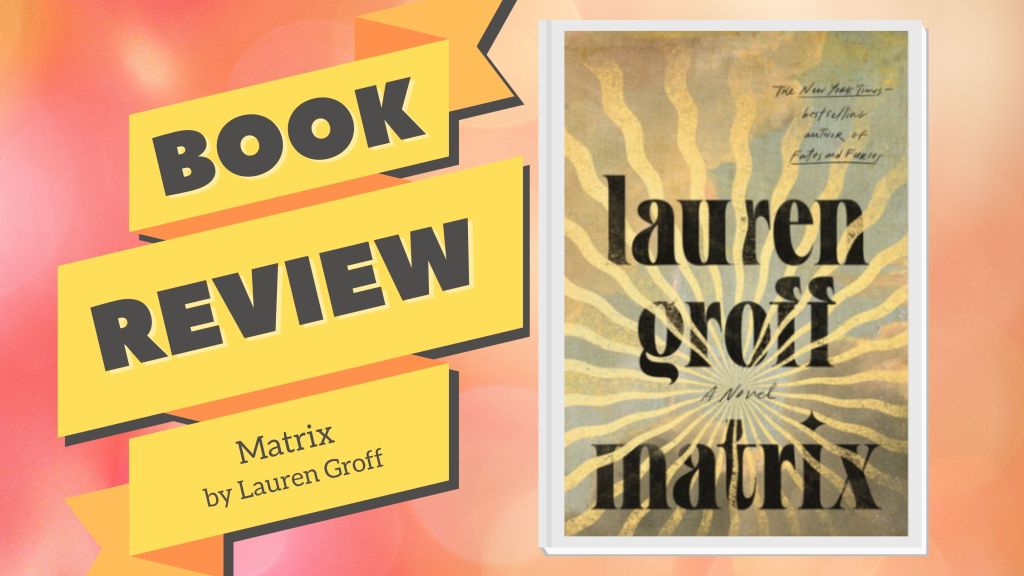
  • Matrix by Lauren Groff

    Matrix by Lauren Groff

    Genre | Historical Fiction
    Page #s | 260
    Publishing Date | September 2021

    Lauren Groff returns with her exhilarating first new novel since the groundbreaking Fates and Furies.

    Cast out of the royal court by Eleanor of Aquitaine, deemed too coarse and rough-hewn for marriage or courtly life, 17-year-old Marie de France is sent to England to be the new prioress of an impoverished abbey, its nuns on the brink of starvation and beset by disease.

    At first taken aback by the severity of her new life, Marie finds focus and love in collective life with her singular and mercurial sisters. In this crucible, Marie steadily supplants her desire for family, for her homeland, for the passions of her youth with something new to her: devotion to her sisters, and a conviction in her own divine visions. Marie, born the last in a long line of women warriors and crusaders, is determined to chart a bold new course for the women she now leads and protects. But in a world that is shifting and corroding in frightening ways, one that can never reconcile itself with her existence, will the sheer force of Marie’s vision be bulwark enough?

    Equally alive to the sacred and the profane, Matrix gathers currents of violence, sensuality, and religious ecstasy in a mesmerizing portrait of consuming passion, aberrant faith, and a woman that history moves both through and around. Lauren Groff’s new novel, her first since Fates and Furies, is a defiant and timely exploration of the raw power of female creativity in a corrupted world.

    Goodreads

    I read this book shortly after reading Thomas Cahill’s nonfiction book Mysteries of the Middle Ages: The Rise of Feminism, Science and Art, and WOW is that a great combination! In Matrix, historical figures are fictionalized and fleshed out in a way that makes the time period (early 12th century) accessible and relatable.

    Marie has the misfortune to be both a bastardess and as a tall, masculine woman. She is therefore exiled from polite society to an abbey, where she finds she is able to wield female power in a time when women were powerless. Echoing the historical figure of Hildegard of Bingen, Marie raises her abbey from obscurity to influence and deals with the subsequent discontent this raises. It’s an awesome example of historical feminism that is not anachronistic.

    In fact, this book is as much about life in the middle ages as it is about Marie; the joys and, more often, the squalor of life is vividly portrayed, and the threat of death from the simplest of sources is ever-present. Additionally, Marie is not a religious woman, but religion is baked into the fabric of society and is therefore inescapable. She grows to love the abbey and its nuns, and her relationship to visions and sacraments walks a fascinating fine line between appreciation and power.

    This is a blog about queer books, and so far this review might seem to imply a lack of queerness. Don’t worry! The abbey is full of women who have pledged themselves to chastity, but the medieval conception of this promise is limited to foregoing the pleasures of men. My absolute favorite part is the portrayal of courtly love from a woman’s point of view, as Marie loves Queen Eleanor of Aquitaine from afar and with all the devotion of the most loyal knight.

    Who Do I Recommend This Book To?

    Matrix is a nerdy book, but it’s going to fulfill a very specific niche for my sapphic history buffs!

    Check out our Queer Lil Library for more book recommendations and reviews!

  • The Clothesline Swing by Ahmed Danny Ramadan

    The Clothesline Swing by Ahmed Danny Ramadan

    Genre | Contemporary Fiction
    Page #s | 288
    Publishing Date | June 2017

    The Clothesline Swing is a journey through the troublesome aftermath of the Arab Spring. A former Syrian refugee himself, Ramadan unveils an enthralling tale of courage that weaves through the mountains of Syria, the valleys of Lebanon, the encircling seas of Turkey, the heat of Egypt and finally, the hope of a new home in Canada.

    Inspired by Arabian Tales of One Thousand and One NightsThe Clothesline Swing tells the epic story of two lovers anchored to the memory of a dying Syria. One is a Hakawati, a storyteller, keeping life in forward motion by relaying remembered fables to his dying partner. Each night he weaves stories of his childhood in Damascus, of the cruelty he has endured for his sexuality, of leaving home, of war, of his fated meeting with his lover. Meanwhile Death himself, in his dark cloak, shares the house with the two men, eavesdropping on their secrets as he awaits their final undoing.

    Goodreads

    The Clothesline Swing is a gorgeously written novel about love, death, and the stories we tell to stay alive. Written in overlapping and intersecting stories told by a gay man to his dying lover in their Vancouver home, we slowly learn more about their lives in perfectly timed revelations.

    This is a book about trauma, from being raised with abuse and neglect, to being a gay man in an oppressive culture, to surviving uprisings and war; most importantly, it is about the intersection of all of these things. It is a book about loss, but it is also a book about endurance, about finding pleasure in the midst of pain, and about accepting the things we have suffered.

    Although I found this book difficult to read sometimes because of its heavy subject matter, I was always drawn forward by the beauty and honesty with which Ramadan writes. The relationship at the center of the book is loving, tumultuous, and mundane (and I could equally be referring to Hakawati and his lover or Hakawati and Death here). There is no perfection here, only complex people trying to make sense of a world that has offered mostly pain and suffering.

    One of the most poignant relationships tracked throughout the book is Hakawati’s relationship to his mentally ill mother. We see her through stories, through flashbacks, and finally through her own perspective. She is a beautifully complicated woman, and her transition from villain to victim is stunning and heartbreaking. Without taking away from the very real consequences of being raised by an impulsive and violent woman, we are also invited to empathize with her as woman struggling with mental illness, misogyny, and isolation.

    I also greatly appreciated the complicated depictions of home from a refugee’s point of view. Syria is beautiful, Syria is terrifying, Syria is not what it was…and yet both men at the center of the book return again and again, either physically or mentally. Society often wants to flatten refugees’ experiences into a narrative of rescue, but the truth is far more complicated than that.

    That’s the theme of this book, apparently. Complicated and complex. I so appreciate Ramadan’s ability to guide readers into a world without easy answers, and to leave us there, equipped with a sense of peace and of meaning, if not certainty.

    Who Do I Recommend This Book To?

    If you appreciate an incredibly well-crafted book that deftly handles deep and dark themes, The Clothesline Swing is for you!

    Check out our Queer Lil Library for more book recommendations and reviews!

  • Swordspoint by Ellen Kushner

    Swordspoint by Ellen Kushner

    Genre | Fiction
    Page #s | 329
    Publishing Date | February 1987

    The classic forerunner to The Fall of the Kings now with three bonus stories. 

    Hailed by critics as “a bravura performance” (Locus) and “witty, sharp-eyed, [and] full of interesting people” (Newsday), this classic melodrama of manners, filled with remarkable plot twists and unexpected humor, takes fantasy to an unprecedented level of elegant writing and scintillating wit. Award-winning author Ellen Kushner has created a world of unforgettable characters whose political ambitions, passionate love affairs, and age-old rivalries collide with deadly results.

    Swordspoint

    On the treacherous streets of Riverside, a man lives and dies by the sword. Even the nobles on the Hill turn to duels to settle their disputes. Within this elite, dangerous world, Richard St. Vier is the undisputed master, as skilled as he is ruthless–until a death by the sword is met with outrage instead of awe, and the city discovers that the line between hero and villain can be altered in the blink of an eye.

    Goodreads

    Swordspoint is a gorgeously written novel with incredible character work, but…I just couldn’t get invested in the story. It felt like nothing much was happening for the first half of the book, and the “polite society talks around itself in hidden messages” often went over my head. I loved Richard and Alec, and goodness knows that arrogant young men with swords and books are my weakness, but I ended the book without any compulsion to indulge in more.

    That’s not to say there’s nothing good here. The world building is simple but deeply satisfying, with the lower class Riverside district nicely compared and contrasted with The Hill where nobility live. The role of swordsmen as a bridge between these worlds is excellently demonstrated in St Vier’s story, as he acts with all of the honor of a nobleman but is treated with the disdain of a Riversider. He also encapsulates the hypocrisy of the nobility, since they have no problem killing each other, but only if a long list of rules have been checked off first.

    It’s worth mentioning that the women in this book are not treated well. Granted, it was written in 1987, but it’s still uncomfortable to read about women casually being called whores and being mistreated by the men who own them (either formally or informally). There is one woman with power who is quite interesting, but because she’s the only one and her power comes through subterfuge and sexual favors, she instead comes across rather stereotypical.

    What Makes This Book Queer?

    For a moment, I thought everyone in Swordspoint was bisexual, and this is almost the case. That is awesome, but we do only get to spend time with male/male partners. I love Richard and Alec, but combined with the uncomfortable female characters, the queerness is tainted by a whiff of misogyny.

    Rating: 3.5 out of 5.

    Check out our Queer Lil Library for more book recommendations and reviews!

  • Karen Memory by Elizabeth Bear

    Karen Memory by Elizabeth Bear

    Genre | Historical Steampunk Fiction
    Page #s | 346
    Publishing Date | February 2015

    “You ain’t gonna like what I have to tell you, but I’m gonna tell you anyway. See, my name is Karen Memery, like memory only spelt with an e, and I’m one of the girls what works in the Hôtel Mon Cherie on Amity Street. Hôtel has a little hat over the o like that. It’s French, so Beatrice tells me.”

    Set in the late 19th century—when the city we now call Seattle Underground was the whole town (and still on the surface), when airships plied the trade routes, would-be gold miners were heading to the gold fields of Alaska, and steam-powered mechanicals stalked the waterfront, Karen is a young woman on her own, is making the best of her orphaned state by working in Madame Damnable’s high-quality bordello. Through Karen’s eyes we get to know the other girls in the house—a resourceful group—and the poor and the powerful of the town. Trouble erupts one night when a badly injured girl arrives at their door, begging sanctuary, followed by the man who holds her indenture, and who has a machine that can take over anyone’s mind and control their actions. And as if that wasn’t bad enough, the next night brings a body dumped in their rubbish heap—a streetwalker who has been brutally murdered.

    Bear brings alive this Jack-the-Ripper yarn of the old west with a light touch in Karen’s own memorable voice, and a mesmerizing evocation of classic steam-powered science.

    Goodreads

    Karen Memory is an action-packed adventure in a steampunk historical setting that balances “historical accuracy” with modern values with astonishing deftness. With a diverse cast of characters working in a brothel, the book is supportive of sex work while centering its plot on taking down those responsible for sexual exploitation. Additionally, our heroes are queer women, black and Native American men, and a supporting cast of transgender and multi-racial folks. It is an utter delight!

    Karen is our protagonist, a spirited young woman who pushes her way through life with confidence and level-headed acceptance. She is constantly interacting with new people in a way that acknowledges the stereotypes her white world has about them but assumes that their way of doing things is different and valid. It feels effortless, and is an excellent model of how to be historically accurate without being racist. She’s also an absolute delight to “listen” to. Her fabulous Western drawl full of colorful analogies comes through strong in the writing, and even more perfectly via audiobook.

    Priya is Karen’s love interest, a woman who has escaped a dangerous and exploitative brothel and wants to help her sister do the same. She’s far from a helpless damsel, though. Priya is the brains of the duo, fluent in multiple languages and quick to pick up most skills. Her relationship with Karen is sweet, supportive, and a little bit dashing.

    I’ve read this book twice now, and both times when it started, I was hesitant to continue. It sets itself up as a old-fashioned story about “prostitutes with hearts of gold.” But as the story unveils itself, it’s far richer and more meaningful than any trope. I highly recommend!

    Rating: 4 out of 5.

    Check out our Queer Lil Library for more book recommendations and reviews!

  • The Prophets by Robert Jones Jr.

    The Prophets by Robert Jones Jr.

    Genre | Historical Fiction
    Page #s | 400
    Publishing Date | January 2021

    A novel about the forbidden union between two enslaved young men on a Deep South plantation, the refuge they find in each other, and a betrayal that threatens their existence.

    Isaiah was Samuel’s and Samuel was Isaiah’s. That was the way it was since the beginning, and the way it was to be until the end. In the barn they tended to the animals, but also to each other, transforming the hollowed-out shed into a place of human refuge, a source of intimacy and hope in a world ruled by vicious masters. But when an older man—a fellow slave—seeks to gain favor by preaching the master’s gospel on the plantation, the enslaved begin to turn on their own. Isaiah and Samuel’s love, which was once so simple, is seen as sinful and a clear danger to the plantation’s harmony.

    With a lyricism reminiscent of Toni Morrison, Robert Jones, Jr. fiercely summons the voices of slaver and the enslaved alike to tell the story of these two men; from Amos the preacher to the calculating slave-master himself to the long line of women that surround them, women who have carried the soul of the plantation on their shoulders. As tensions build and the weight of centuries—of ancestors and future generations to come—culminate in a climactic reckoning, The Prophets masterfully reveals the pain and suffering of inheritance, but is also shot through with hope, beauty, and truth, portraying the enormous, heroic power of love.

    Goodreads

    I don’t generally read novels about slavery or the Holocaust or any hugely traumatic occurrence in which some people brutalized and dehumanized other people (I can do nonfiction more easily, but novels feel more like entertainment to me, and those subjects are not entertainment). However, the book club I am a part of sometimes reads these kinds of books, and I am grateful to have been pushed outside of my comfort zone and to have read such a phenomenal book by Robert Jones Jr.

    The story of the The Prophets revolves around the love between Isaiah and Samuel and the way that it effects everyone on a plantation called Empty. However, each chapter comes from a unique character’s point of view, from other slaves to the master of the plantation to ancestors in Africa first experiencing the arrival of and enslavement by white men. The variety of experiences portrayed and the depth with which is character is explored is truly stunning. I cannot believe this is Jones Jr.’s debut novel; he is incredibly talented.

    As a book about the experience of enslaved people, it is obviously hard to read. However, I did not find that it veered into “trauma porn” territory, which for me is when the horror has a shock value quality. To be fair, there are scenes of physical abuse, and rape and sexual assault is a regular occurrence. For most of these scenes, though, we are in the head of the person experiencing the tragedy, so we are not forced to experience assault with the person who is perpetrating it (there is one notable exception, and it is awful).

    Additionally, the trauma that the men and women in these pages experience is not their whole existence. There are moments of peace and shared bread, shared knowledge, shared support. Most importantly, there is Samuel and Isaiah’s relationship, which is tender, loving, and intimate.

    “This is why Isaiah and Samuel didn’t care, why they clung to each other even when it was offensive to the people who had once shown them a kindness: it had to be known. And why would this be offensive? How could they hate the tiny bursts of light that shot through Isaiah’s body every time he saw Samuel? Didn’t everybody want somebody to glow like that? Even if it could only last for never, it had to be known. That way, it could be mourned by somebody, thus remembered – and maybe, someday, repeated.”

    I was also very impressed by the way Jones Jr. portrays women. Although two men are the center of the story, I think we hear from women more than men. They are each unique, wonderful, complicated, and stunningly realistic. Perhaps I shouldn’t be surprised that a man could capture the dignity of a woman enduring indignities so well, but I am! My entire heart goes to Maggie, though everyone else is also amazing.

    We do get perspectives from each of the four main white slavers on the plantation. They are hard to read, mostly because Jones Jr. explains their motivations in ways that feel relatable without ever letting them off the hook for their despicable actions. He did a wonderful job of balancing their humanity and their own struggles (the wife watches her husband rape his slaves, the son is gay and closeted) with their complicity in a system that grants them privileges at the expense of others.

    I was genuinely stressed reading this book, mostly because I couldn’t imagine how it could end with any kind of satisfying close. What kind of happy ending could anyone get in a world that wouldn’t end slavery for another several decades, wouldn’t end legalized racial discrimination for another century, and is still working through cultural and systemic racism? I won’t say that the ending is happy, necessarily, but it is definitely cathartic.

    Who Would I Recommend This Book To?

    This is a book for anyone who wants a complex, lyrical, female and queer-centric perspective on slavery in the United States.

    Rating: 5 out of 5.

    Check out our Queer Lil Library for more book recommendations and reviews!

  • The Seven Husbands of Evelyn Hugo by Taylor Jenkins Reid

    The Seven Husbands of Evelyn Hugo by Taylor Jenkins Reid

    Genre | Historical Fiction
    Page #s | 391
    Publishing Date | June 2017

    Aging and reclusive Hollywood movie icon Evelyn Hugo is finally ready to tell the truth about her glamorous and scandalous life. But when she chooses unknown magazine reporter Monique Grant for the job, no one is more astounded than Monique herself. Why her? Why now?

    Monique is not exactly on top of the world. Her husband has left her, and her professional life is going nowhere. Regardless of why Evelyn has selected her to write her biography, Monique is determined to use this opportunity to jumpstart her career.

    Summoned to Evelyn’s luxurious apartment, Monique listens in fascination as the actress tells her story. From making her way to Los Angeles in the 1950s to her decision to leave show business in the ‘80s, and, of course, the seven husbands along the way, Evelyn unspools a tale of ruthless ambition, unexpected friendship, and a great forbidden love. Monique begins to feel a very real connection to the legendary star, but as Evelyn’s story near its conclusion, it becomes clear that her life intersects with Monique’s own in tragic and irreversible ways.

    Goodreads

    The world’s straightest title masks a deeply romantic bisexual love story. If you love Old Hollywood, (fictional) tell alls, and confident women who are unapologetic about the course their life has taken, then this is the book for you!

    Smartly written, protagonist Monique has been plucked from reporter obscurity to write a biography of superstar Evelyn Hugo for seemingly no reason. While Monique’s story is interesting, Reid knows that once we are introduced to Evelyn, hers is the narrative we want to spend the most time with.

    Framed in a timeline that takes us through each of her husbands, Evelyn is young Cuban woman who wants to escape her life of poverty and the dangerous look in her father’s eyes. At age 14 she marries an older man to escape to California and unapologetically uses her sex appeal to start her acting career. Throughout the novel, Evelyn insists that she does not regret any of her actions; what other options did a woman in her position have?

    This is what makes Evelyn such an appealing protagonist. She has lost much – her Cuban heritage when Hollywood executives change her name and dye her hair blonde, her innocence when she realizes the only currency she has is sex – but she is so ambitious and determined that she never lets these tragedies define her. They happened, but they served a purpose, and she wouldn’t unwrite them.

    In fact, the only thing that she regrets is the spouse that no one knows about – as a Hollywood starlet determined to be the kind of rich that doesn’t rely on anyone ever, her relationship with co-star Celia St. James had to be hidden. And in hiding their love, Evelyn made choices that nearly ruined their relationship. Now, at the end of her life, she wants to tell the world that she is a bisexual woman and that her seven husbands didn’t hold a candle to her wife.

    This book is compelling, fun, and a total page-turner. Just when we are fully engrossed in Evelyn’s life, her story merges with Monique’s authentically and ties hints from the beginning of the book to its conclusion. It’s a smart, entertaining read that should satisfy anyone looking for a fun summer read.

    What Makes This Book Queer?

    As I mentioned in the review, Evelyn Hugo reveals that the relationship she considers most important was with a woman. More than that, she is unapologetically bisexual, despite the confusion and pain this causes both her heterosexual and homosexual partners. One of her best friends is also gay, and it is heartbreaking to read how even the world’s most powerful people were forced (and often are still forced) to hide who they are to maintain that cultural power.

    Who Would I Recommend This Book To?

    Literally everyone! But if historical fiction about strong women appeals to you, this should satisfy.

    Rating: 5 out of 5.

    Check out our Queer Lil Library for more book recommendations and reviews!

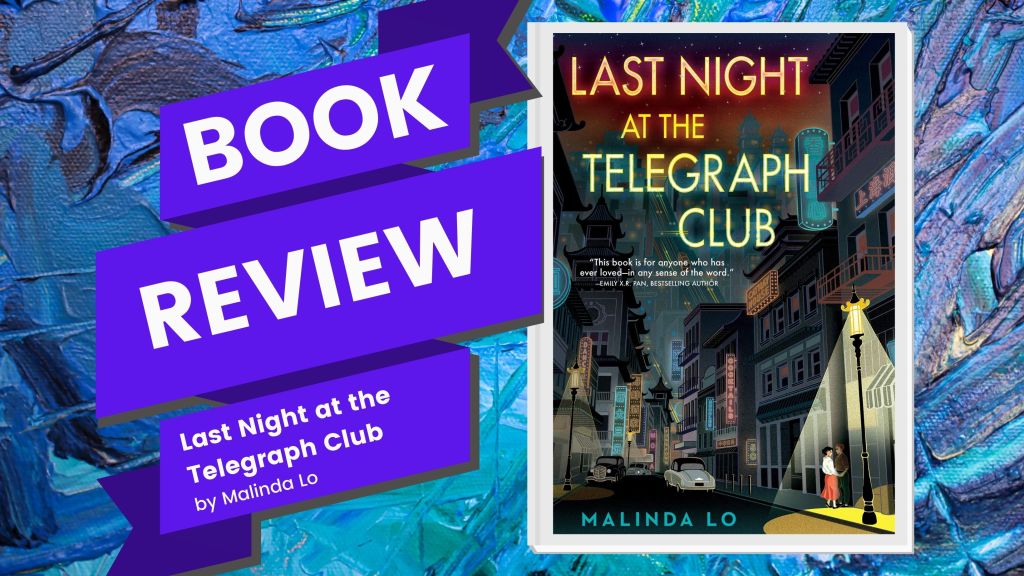
  • Last Night at the Telegraph Club by Malinda Lo

    Last Night at the Telegraph Club by Malinda Lo

    Acclaimed author of Ash Malinda Lo returns with her most personal and ambitious novel yet, a gripping story of love and duty set in San Francisco’s Chinatown during the Red Scare.

    “That book. It was about two women, and they fell in love with each other.” And then Lily asked the question that had taken root in her, that was even now unfurling its leaves and demanding to be shown the sun: “Have you ever heard of such a thing?”

    Seventeen-year-old Lily Hu can’t remember exactly when the question took root, but the answer was in full bloom the moment she and Kathleen Miller walked under the flashing neon sign of a lesbian bar called the Telegraph Club.

    America in 1954 is not a safe place for two girls to fall in love, especially not in Chinatown. Red-Scare paranoia threatens everyone, including Chinese Americans like Lily. With deportation looming over her father—despite his hard-won citizenship—Lily and Kath risk everything to let their love see the light of day.

    Goodreads

    This was a lovely YA historical novel about a Chinese American young woman coming to terms with her attraction to women, exploring queer community in 1950s San Francisco, and growing strong enough to stand up for herself and the life that she wants to create for herself.

    Stories about the 1950s often leave me feeling one of two ways: they either lure me into a believing that it was a simpler, nicer time, or else the racism, homophobia, and sexism makes me incredibly grateful to have born in the 80s. Although there were definitely moments when Lily’s world was sweet and appealing, I was mostly stuck on the horrifying elements: Lily endures consistent racist comments and actions whenever she leaves the safety of Chinatown, and the homophobia of the day is of the “will get arrested if found publicly gay” variety. It’s not good!

    (As I write this, I am aware that racist comments and consequences for being publicly queer are not relegated to the past. They are a current reality for many people.)

    I cannot imagine having the bravery Lily shows throughout this book. She knows something is different about herself, but it isn’t until she finds a paperback novel with two women on the cover that she realizes she isn’t alone. Watching her slowly fall in love with her new friend Kathryn was swoonworthy, all the more so because they know they are sharing something forbidden.

    The true star of this book is, fittingly, the Telegraph Club. Oh, how I wish there were a lesbian bar like this in Vancouver! With performances by male impersonators, new friends and lovers sharing drinks, and the good times continuing at house parties after closing, Lo paints a vivid picture of a community that easily ensnares both Lily and myself.

    A bit of warning: While the ending is hopeful, it is also a story true to its time. There are very real familial consequences for Lily, and this might be triggering to some readers.

    Rating: 5 out of 5.

    Check out our Queer Lil Library for more book recommendations and reviews!