Author: Trish

  • She Who Became the Sun by Shelley Parker-Chan

    She Who Became the Sun by Shelley Parker-Chan

    Genre | Fantasy
    Page #s | 416
    Publishing Date | July 2021

    Mulan meets The Song of Achilles; an accomplished, poetic debut of war and destiny, sweeping across an epic alternate China.

    “I refuse to be nothing…”

    In a famine-stricken village on a dusty yellow plain, two children are given two fates. A boy, greatness. A girl, nothingness…

    In 1345, China lies under harsh Mongol rule. For the starving peasants of the Central Plains, greatness is something found only in stories. When the Zhu family’s eighth-born son, Zhu Chongba, is given a fate of greatness, everyone is mystified as to how it will come to pass. The fate of nothingness received by the family’s clever and capable second daughter, on the other hand, is only as expected.

    When a bandit attack orphans the two children, though, it is Zhu Chongba who succumbs to despair and dies. Desperate to escape her own fated death, the girl uses her brother’s identity to enter a monastery as a young male novice. There, propelled by her burning desire to survive, Zhu learns she is capable of doing whatever it takes, no matter how callous, to stay hidden from her fate.

    After her sanctuary is destroyed for supporting the rebellion against Mongol rule, Zhu uses takes the chance to claim another future altogether: her brother’s abandoned greatness.

    Goodreads

    She Who Became the Sun is a fantasy-lite historical fiction that centers gender and ambition against the backdrop of rebellions and war. It is utterly engrossing, drawing readers into the world’s poverty and desperation immediately. Zhu grows up as the only girl left in a starving peasant village, and her uselessness is shoved in her face by everyone all the time. When an opportunity to remake herself as her favored brother comes along, Zhu takes it, and all the world is affected.

    This is a book about gender that goes far deeper than the Mulan comparison frequently thrown around. Yes, Zhu pretends to be a man to enter a monastery and later join the army. But her relation to her femaleness and maleness is very fluid and is hugely impacted by situation. Similarly, another significant character is the eunuch Ouyang. He resents his forced gender presentation, the result of violence in his childhood, but it shapes who he is and how he moves through the world nonetheless. Zhu and Ouyang shatter the gender dichotomy and, while they’re at it, turn sexuality up and down and all around as well. I don’t think it would be incorrect to label Zhu as a sex-positive asexual, which was amazing to see!

    The story of She Who Became the Sun covers over a decade, so this is the kind of fantasy book that rewards investment and shows repercussions of long ago actions. I’m torn on using the label of fantasy, however. There are a couple fantastical elements – the reveal of the divine right to rule, ghosts – but they are very rare and would better be labeled fantasy-lite.

    Lastly, I adored the Buddhist influence on the book. Zhu spends her formative years as a monk and reckons with her growing ambition through that lens. It was fascinating to see the Chosen One narrative filtered through a perspective that desire creates suffering…so how much suffering is Zhu willing to create in her desire to be someone meaningful?

    Who Do I Recommend This Book To?

    Give She Who Became the Sun to any reader who loves a deep, gritty dive into character studies and war, especially if they appreciate a uniquely gendered perspective.

    Check out our Queer Lil Library for more book recommendations and reviews!

  • Yazeba’s Bed & Breakfast Review:  A Legacy RPG by Possum Creek Games Coming Soon!

    Yazeba’s Bed & Breakfast Review: A Legacy RPG by Possum Creek Games Coming Soon!

    Yazeba’s Bed & Breakfast

    A slice-of-life legacy tabletop role-playing game about a found family and their magical home.

    Created by Mercedes Acosta, Jay Dragon, M Veselak, and Lillie Harris with Possum Creek Games, Yazeba’s Bed & Breakfast was funded on Indiegogo with over $420,000 pledged. You can download a free Playkit here while you wait for the book to be published!

    Mercedes Acosta
    Jay Dragon
    M Veselak
    Lillie Harris

    Rating: 5 out of 5.

    The Set Up

    Yazeba’s Bed & Breakfast is a legacy RPG with 48 chapters that reveal new worlds, new secrets, and new character depth that can be played in any order with any friends at any time! This is the flexible and fun game that is perfect for the busy nerd who has a hard time coordinating schedules with everyone on a regular basis (*raises hand*).

    When the final edition is released, the book will serve as your personal version of the magical B&B, to be written in, covered in stickers, and opened slowly. As the owner of the book, you are the Concierge (think DM, but with way less responsibility). You need to be familiar with the cast as well as the flow of play, but all players can basically start with zero knowledge and jump into the game easily.

    Let’s see what works and what doesn’t in Yazeba’s Bed & Breakfast!

    Highlights

    • The chapters. Each chapter of the book serves as a traditional RPG session and generally lasts around 1-2 hours. The chapters each focus on specific characters while leaving room for others to join as desired, and there are bespoke mechanics for each chapter that are rules-lite and easy to catch on to.
    • The characters. There is a cast of 7 core residents and up to 50 guests that can participate in a session, and they range from robots to witches to sentient bunny warren. Players choose a character for one session, but are encouraged to switch often, with the lovely note that in this way, different players can reveal different aspects of a character’s personality. Each character balances uniqueness with archetypes, and it is easy to find yourself in everyone.
    • The character sheets. When you begin the game, some chapters and characters are inaccessible; you unlock them by completing characters’ growth journeys, each of which is specific to the character. I especially love Amelie’s sheet; as a robot, you can rewrite her code as she progresses, and when every line has changed, you unlock “Glitch in the System.”
    • The inclusion. As with Wanderhome, my favorite game from Possum Creek Games, queer themes abound in Yazeba’s Bed & Breakfast. Aside from creating trans characters to play with and focusing on stories about hurting people finding loving community, I think this is also expressed in the soft, inviting language throughout the book and its emphasis on player health and enjoyment over gameplay. For instance, players are explicitly encouraged to use take-backsies if you have a better idea later or don’t like what someone says.
    • The easy access. The book is designed to open up slowly, which means you don’t have to read the whole thing and memorize loads of rules before starting the game. You could very easily sit down with your friends, open it for the first time, and get through the intro and one session in a comfortable evening.

    Challenges

    • Mark up the book. I’m torn on this one, and I won’t fully know until I use the actual book. I love the idea of marking up character sheets and filling in bookcases with stickers to mark achievements, but also…what if I make a mistake and it is immortalized forever!? I will be strongly tempted to try to print off pages so that the book remains pristine, which absolutely defeats its purpose. Time will tell what path I choose…
    • Less character creativity. This is an RPG with established characters rather than one in which you can create your own. There is a lot of good to this (see above), but some people are going to miss the freedom to play their own creation.

    My friends Jessy, Rachel, and Allonté played “Chapter 5: Another Rainy Day” and “Chapter 10: Wash Cycle” with me to help with this review. Find out what they thought about Yazeba’s Bed & Breakfast below!

    Jessy (he/him) says…

    “I had a great time playing Yazeba’s. It was a constant delight! The unique rules that each chapter introduces help to underpin the mood and feel for those chapters, both that we played mostly included elements of slapstick chaos as we attempted to keep Hey Kid entertained so they wouldn’t explode or attempted to rush through a mountain of laundry so Sal could get to his show on time. The chapters we played also tied multiple characters into the game, making sure that every chapter has characters that are invested in events. And what characters they are! On top of the central 7 characters who live or work at the B&B, there are 50 additional guests who you can also play. These characters include a group of rabbits who wear outfits, a sentient glob of grim, or, my personal favourite, the evil skeleton who wants to end the world but is rather ineffectual. All the characters have traits called Bingos and Whoopsies that are used for differing effect in each chapter but always reinforce a characters personality and reward the player for embracing those traits. It’s an elegant way to keep aspects of each character consistent even between different players while also giving players room to make each character their own while they play them. I love that the game encourages players to switch between characters for different chapters, giving everyone a chance to play their favourites.

    Due to the nature of the test play kit there are some aspects of the game I’m still a bit muddy on, mostly pertaining to its legacy nature. Each character has a track that gets filled up at the end of chapters but we didn’t have much opportunity to see what effects that can have due to the limited nature of our play test. There are also some aspects like collectables that I’m a bit unclear on. My hope is that these mechanics will be a lot of fun, but currently I find them a bit unclear. However, I expect once I have the opportunity to play more chapters and experience more of the legacy mechanics I will enjoy them.

    Overall, the game is really great! I had a load of fun playing with my friends and look forward to the full released.”

    Rachel (she/her) says…

    I had a really great time playing Yazeba’s Bed & Breakfast. Being given a character with just enough guidance in the form of Bingos and Whoopsies was a new experience but very easy to get into.

    For the first game, I played Gertrude trying in vain to keep Hey Kid occupied on a rainy day with the help of a weird skeleton and a bored desk clerk. Gertrude is not the kind of character I gravitate towards normally, so I relied on the guidance of the character sheet and soon got the hang of it. I came out feeling like I knew Gertrude a little better by the end.

    The second session I played The Bunnies in the Garden Who Wear Little Outfits; yes, that is their full name. They were super fun to play, making a new warren in the over-flowing laundry room that the other players were trying to tidy up. They are the vessel for any voice/accent you have wanted to try out as they have so many voices, and for me at least one or two of the bunnies stood out as favorites. The sheet for these guys has a little less on it but that lends to so much room for creativity, I love them.

    Allonté (he/they) says…

    Yazeba’s Bed & Breakfast (YBB) is another great creation from Possum Creek Games. Not only does it have a great cast of diverse characters, it also offers plenty of (re)playability in its almost choose-your-own-adventure style of scenes. YBB is super easy to begin and requires very little prep. It feels like the perfect game to play when everyone wants to relax, has limited time, wants to play something that is DMless, or wants to see the character’s story blossom like a novel but through play. In Wanderhome, the creation I know Possum Creek Games from, the creativity is front-loaded in the place you make at the table, but here in YBB that is more focused to one’s interpretation of the character’s Bingos, Whoopsies, and goal track.

    I had the pleasure of playing Sal and Monday. I think I had the most fun with the goal tracks – it is the thing that can carry over from game-to-game and is easily affected by the choice made at the table. Another unique thing this game offers is seeing how other folk interpret characters that have already been played. It was very cool to see how my Sal and Tricia’s Sal felt different and the same; that there is a degree of headcanon that keeps the story of the scenes feel so unique. While Sal feels like some odd multiverse version of my soul, Monday was a lot of fun to play. If you want to play something that is some amalgam of fairy-god-person and/or crossroads demon, give Monday a try!

    You may enjoy this game if you are the type of player who:

    • Needs more structure
    • Likes to embody a character outline
    • Likes minimal mechanics
    • Is an (aspiring) actor
    • Is secretly a demon child who will literally explode if the inn goes less than 40 mph…or something to that effect.

    You may NOT enjoy this if you are the type of player who:

    • Needs loose structure of goals
    • Does not enjoy being a character that is somewhat pre-made
    • Needs conflict that is outside the group/party
    • Is an (aspiring) director
    • Is a slime princess turned into a tall humanoid by a pact made with a glittering entity all in the name of the quest to do the umpteenth load of laundry so that they won’t get cursed, kicked out, be forced to walk the long winding road to some weird under-colony of Too Many Rabbits where they must make a new life as a side-show alien…or something to that effect.

    If you want to try Yazeba’s Bed & Breakfast,
    you can download the Ashcan PDF here.

    Their Indigogo campaign raised over $420,000 in March 2022.

    Follow Possum Creek Games to stay up to date on the game’s official release!


    Want more creative TTRPGs?
    Check out Common Sense and Sensibility,
    a game designed by
    Rachel and Tricia of Roar Cat Reads!

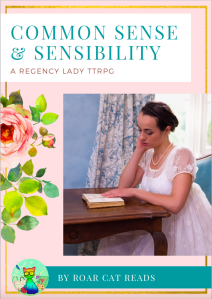
    Common Sense and Sensibility: A Regency Lady TTRPG

    “It is exceedingly well known that the life of a lady is far from easy. Death raises its grisly visage at every turn: whether from shawl insufficiency or too many novels, a Regency-era lady can never be too cautious.”

    In Roar Cat Reads’ original TTRPG character funnel, Regency ladies will test their delicate mettle and try to stay alive. This handbook lays out the game’s core rules, character creation instructions, and a list of the surprisingly mundane events that can test a lady’s constitution.

    Download your FREE copy at our Ko-Fi shop.


  • DM’s Pocket Guide Ep 20: Gibbering Mouther

    DM’s Pocket Guide Ep 20: Gibbering Mouther

    Gibbering Mouther DM’s Pocket Guide

    In our last episode of season 1, we're covering one of the creepiest monsters you can throw at your players:  the Gibbering Mouther.  This alien aberration will make your players Fight, Flight or Freeze when they hear the voices of absorbed victims and has the potential to kill a player with no hope of coming back.  Sounds fun! Please like, review, and share to support DM’s Pocket Guide! We’re Tricia and Rachel from Roar Cat Reads.  If you would like to learn about a specific D&D rule or spell, send us a request at roarcatreads@gmail.com.  Transcripts of every episode are available!   If you want more rules, buy a copy of the Player’s Handbook! Follow us on Twitter and Instagram  Artwork by Haley Boros DM’s Pocket Guide is unofficial Fan Content permitted under the Fan Content Policy. Not approved/endorsed by Wizards. Portions of the materials used are property of Wizards of the Coast. ©Wizards of the Coast LLC.

    Transcription

    Welcome to DM’s Pocket Guide, where we discuss the rules, spells, and monsters of Dungeons and Dragons, 5th edition.

    Tricia: Today we are going to talk about the Gibbering Mouther.

    Rachel: *gibbering mouth sounds*

    T:  They are on page 157 of the Monster Manual. And I just recently had to fight one of these that you ran. 

    R: Yes, you did. 

    T: It was terrible. I hated it.

    R: I think you enjoyed the challenge.

    T: I did. It was a very good monster. These things are terrifying. 

    R: Oh yes. 

    T: They are aberrations, which means they are come from aliens. It is an amorphous amoeba, medium size, just horror, full of mouths and eyes of its prey, and it’s coming to add you to its form.

    R: Yeah. So it’s in the book, it refers to it being created by foul sorcery, like a collection of everything that it’s consumed before and these things are terrifying. I’ve used them twice in games and loved it both times. These things are surprisingly tough and such a great visceral monster to throw at your players. Everybody remembers an encounter with a Gibbering Mouther for sure. 

    T: Yes. Also can we just pause: Gibbering Mouther is a great name.

    R: It’s very descriptive, it’s exactly what it does. For me, it gives me like an idea of like how this thing sounds as it’s coming towards you and kind of what it looks like.

    T: Yeah definitely. So as we look at its stat block, I think the thing that stands out to me, first of all, is that it looks kind of easy on the surface. It’s only got 9 armor class, so you’re pretty much gonna hit it no matter what. It’s got 67 hit points and it’s got a speed of 10 feet. So it’s moving very slowly. 

    R: Oh yeah, this thing doesn’t look terrifying. But with 67 hit points, you won’t kill this thing in one go, and that’s really where this thing gets its foot in the door. If it had feet.

    T: Gets its slobbering, massive appendage through the door.

    R: I think somewhere is this: it uses the mouths on the bottom to move. 

    T: That is horrifying. Imagine being the person who was absorbed and your job is to like scrape your teeth along the ground to move it. So, yeah, this thing operates by driving you insane, and I can tell it’s going to do that to us just describing what it does. 

    R: Yeah, for sure.

    T: So some other very basic things. You can’t knock it prone. It does have dark vision. It does have pretty bad passive perception of 10, so if you happen to see it before it saw you, you might be able to sneak past. And then we get into some of its very, very interesting descriptions. 

    R: Yes, speaking of sneaking past this thing, one of the things that stands out to me when I was reading through this is the mouths of madness or the gibbering effects that it has. It babbles incoherently when it can see any creature that isn’t incapacitated. So if one of my players triggers this thing, I like to, to start with, just like a little, *quiet gibbering sound ending in a low growl*. Wait, that wasn’t me. That was Pepe, the dog we’re looking after right now. Yeah, so starting off with these very small sounds and then joining in with all of the other voices. The way these are described like deep or shrill voices or wailing or undulating or crying out in agony, like imagine the last moments of all of these people who have been absorbed into this thing – what they might be yelling, what they might be thinking about in those last final moments and all those coming out. 

    T: That’s terrifying. That’s a good way to kickstart initiative, and that would be using the gibbering… it’s not an action, that’s just a thing it can do and it’s fabulous. I love that so much.

    R: Yeah. And so the action is the Mouther babbles incoherently when it can see any creature that isn’t incapacitated. Each creature that starts its turn within 20 feet of the Mouther and can hear it – so if you’ve been affected by the deafened condition, you’re immune to this, or if you can’t hear for some reason, you’d be okay – but if you can hear, you have to succeed on a wisdom saving throw. And if you fail, there’s a number of things that can happen to you, and you can’t take reactions until the start of your next turn. And when it is your turn, you’re gonna roll the D8 to decide what happens.

    T: Well, when it is your turn is when this is happening, all of this takes place on your turn. 

    R: Yes, that’s right. It’s an effect that happens to you on your turn. 

    T: Yeah.

    R: I like to use this as like a surprise round for the Gibbering Mouther as you start to hear these voices, and then any player within 20 feet makes this save and then we get into the initiative. Usually with at least one or two of them having been affected by this. 

    T: Yeah.

    R: So the the effect of the Gibbering is either a fight, flight or freeze response. So on a 1-4, you’re going to freeze. You’re just not going to do anything. 

    T: Yeah. 

    R: On a 5 or 6, the creature takes no action or bonus action and uses all of its movement to move in a randomly determined direction. So you might even end up running straight into this thing. 

    T: So this is the flight. 

    R: Exactly. Yeah. And then on a 7 or 8, you make a melee attack against a randomly determined creature within reach or do nothing if you can’t reach anyone. 

    T: So, if you are next to your compatriots and you suddenly hear these voices of madness, you’re either gonna fight, which could mean just lashing out wildly and hitting the Gibbering Mouther or you’re going to flight and just try to get away from it but just totally randomly or you’re going to freeze and just do nothing, yeah, love it. 

    R: And this feeds quite nicely into Aberrant Ground, particularly that one about moving closer to the Mouther. If you’re within 10 foot of this creature, the terrain around it becomes a dough-like difficult terrain and each creature that starts its turn in that area must succeed on a strength saving throw or have its speed reduced to zero at the start of its next turn. So on your first turn this thing might have driven you insane and made you run towards it, and then on your next turn, you are now in this Aberrant Ground and you fail that strength saving throw, you are stuck there and then it’s gonna be the creature’s turn.

    T: Yeah. 

    R: And well, it can move 10 feet.

    T: It’s gonna get you.

    R: It can then start to use its actions we haven’t even talked about – the actions that this thing can do on its turn. 

    T: So it makes a multi-attack. It can do both one bite and one blinding spittle. On a bite, it’s just +2 to hit but it does massive damage if it does hit: 17 piercing damage. But additionally, the creature that its biting has to make a strength saving throw or be knocked prone. If this happens to kill a creature, it is absorbed into the Mouther which is basically, you’re just dead. You’re just dead dead. 

    R: Mmm, I’ll read this lovely passage: a Gibbering Mouther leaves nothing of its prey behind. However, even as the last of its victim’s body is consumed, its eyes and mouth boil to the surface, ready to join the chorus of tormented gibbering that welcomes the monster’s next meal.

    T: Cool, cool. And if that’s not bad enough, it has blinding spittle, which it can glob at a point 15 feet away from it or within 15 feet. And this explodes in a blinding flash of light which is weird, but I like that. And then anything that has been hit by this within five feet of the blinding flash has to make a dexterity saving throw or be blinded until the end of the Mouther’s next turn.

    R: Okay, so if you are okay with potentially permakilling one of your players, go look at Gibbering Mouther on page 157 of the Monster Manual.

    Thanks for listening!  If you have something you’d like us to cover, email it to roarcatreads@gmail.com or find us on Twitter and Instagram @roarcatreads.  

  • Evangelicals and Captain Flint’s “Dragons” Speech in Black Sails

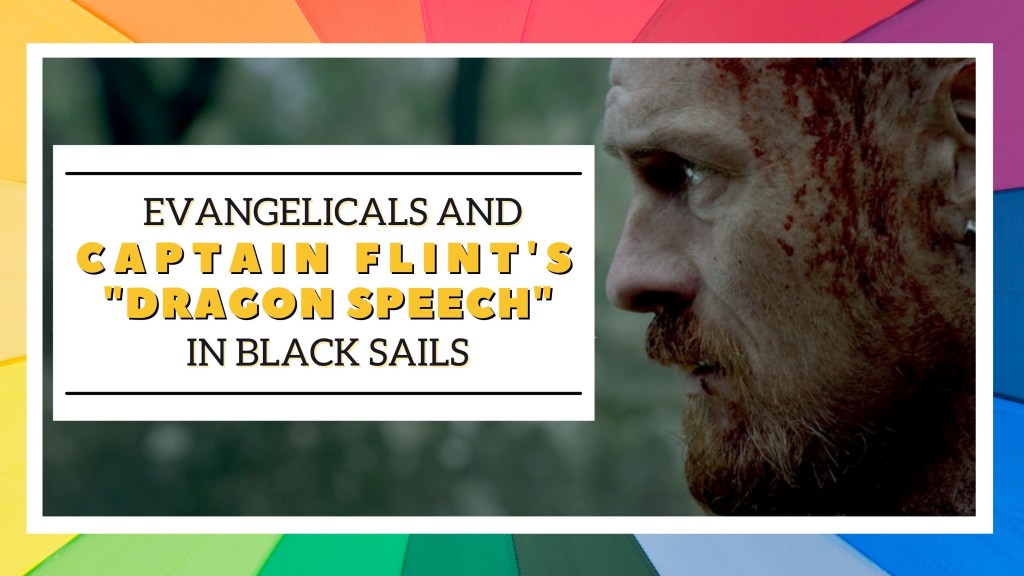
    Evangelicals and Captain Flint’s “Dragons” Speech in Black Sails

    Black Sails is a television show about queer wrath, and if you weren’t already aware of this fact, I can only assume you haven’t watched it yet. Beware: this post will include spoilers for all four seasons of the best television show ever made (in my entirely correct opinion).

    Evangelicals and Captain Flint’s “Dragons” Speech in Black Sails

    “They took everything from us, and then they call ME a monster?”

    So, queer wrath. We are introduced to our protagonist, Captain James Flint, as a man set against England and civilization. He wants to establish a self-sustaining pirate community in Nassau, and he will hunt ships and steal gold to make his vision a reality. It’s all very stereotypically pirate until season two reveals his motivation. James McGraw (his name before he became an infamous pirate) was in love with an English nobleman. When their relationship was discovered, James was exiled and his lover Thomas was sent to an asylum, where he died(ish – unbury your gays!). To avenge his loss and to rage against this supposed “civilized” decision, Captain Flint became the terror we initially met in season one.

    I think it is appropriate to stop for a second and think about how incredible it is that we were given a prestige television show about a queer man (fans read him as either bisexual or gay) who is powerful, angry, and righteous. Black Sails, man. Watch it!

    “There is freedom in the dark.”

    By season 4, Flint has tempered his personal injustice with a broader awareness of the oppression that “civilized” England forces upon multiple oppressed groups, including the African men and women who have escaped slavery and have now joined his fight against English rule. He has lost more loved ones, gained new allies, and dare I say, become wise. In the final episode of the show, he describes the problem with civilization and the freedom that comes from stepping away from its rules. It is a beautiful speech, and it changed my life.

    “They paint the world full of shadows and then tell their children to stay close to the light. Their light, their reason, their judgements, because in the darkness there be dragons. But it isn’t true. We can prove that it isn’t true. In the dark, there is discovery, there is possibility, there is freedom in the dark when someone has illuminated it. And who has been so close as we are right now?”

    Captain James Flint, Black Sails season 4 episode 10 XXXVIII

    “Their light, their reason, their judgements, because in the darkness there be dragons.”

    Every time I watch this scene or read these words, they hit a little deeper. I have shared my story on this blog before, but the important thing to know is that I grew up evangelical and happy to follow all of its rules. The imagery Flint uses is especially poignant, since Christians are fond of using “light” metaphors to describe being close to God and therefore “safe.” Anything beyond the behavioural limits described in the Bible was considered not only sinful but dangerous. Outside of God’s protection, there be dragons! I was constantly told that non-Christians were to be pitied because their lives were empty (oh man, admitting this is causing me so much embarrassment); they were all seeking corrupted pleasures to fill the void that was the lack of God in their life.

    One of the most significant light/dark dichotomies was, obviously, sexuality. Christians approved of lifelong monogamous heterosexuality within the context of marriage, and…nothing else. But practically, this strict boundary was made flexible for several culturally accepted sins like remarriage or sex before marriage (as long as you felt bad about it). The things that were truly sinful were any sexual act that wasn’t heterosexual or monogamous. I was warned against these my entire life, or as Flint says, “They paint the world full of shadows and then tell their children to stay close to the light. Their light, their reason, their judgements, because in the darkness there be dragons.

    It is easy to maintain this worldview if you stay inside the evangelical bubble. Although I pushed against my upbringing in many ways, it wasn’t until I moved to Vancouver and became a part of friend groups who were not Christians that I truly experienced stepping into the “darkness”…and realizing it wasn’t dark at all. I found people who created community, who thought deeply about the world and who cared about helping those who needed help.

    “In the dark, there is discovery, there is possibility, there is freedom in the dark when someone has illuminated it.”

    I was surrounded by queer couples who were married, partnered, and dating. I found myself in a queer relationship, and the thing I noticed was that they were fundamentally the same as the monogamous heterosexual couples I’d grown up with. Yes, there were couples who struggled in a variety of ways, but there were those in the church that raised me too. Overall, though, I found the same love, the same care, the same devotion. In fact, in many ways, queer couples seemed healthier than the ones I grew up around – the mutual submission I defended in seminary against complementarians was suddenly expected. When gender roles cannot be assumed, conversations about family roles, desires, and strengths become the norm. As Flint says, “In the darkness there be dragons. But it isn’t true. We can prove that it isn’t true. In the dark, there is discovery, there is possibility, there is freedom in the dark when someone has illuminated it.

    This is my small attempt to illuminate the darkness. To tell those who create their own stories of light and dark that the things they fear so much are not actually scary. In fact, I think evangelicals could learn a lot from the queer community! And honestly, I think the queer community can also learn from evangelicals. When we create lines that separate, we lose the ability to learn from those who see things differently from ourselves and can offer a perspective that reveals something new and important for our own lives.

    Let’s follow Flint’s lead and illuminate the dark spaces that people create out of fear, hate, and ignorance. It’s Pride Month, baby, so let’s be proud of the dragons we are!


    Do you love Black Sails? Check out our in-depth reviews of each episode.

  • She Drives Me Crazy by Kelly Quindlen

    She Drives Me Crazy by Kelly Quindlen

    Genre | YA contemporary fiction
    Page #s | 288
    Publishing Date | April 2021

    High school nemeses fall in love in this queer YA rom com perfect for fans of Becky Albertalli and Casey McQuiston.

    After losing spectacularly to her ex-girlfriend in their first game since their break up, Scottie Zajac gets into a fender bender with the worst possible person: her nemesis, the incredibly beautiful and incredibly mean Irene Abraham. Things only get worse when their nosey, do-gooder moms get involved and the girls are forced to carpool together until Irene’s car gets out of the shop.

    Their bumpy start only gets bumpier the more time they spend together. But when an opportunity presents itself for Scottie to get back at her toxic ex (and climb her school’s social ladder at the same time), she bribes Irene into playing along. Hijinks, heartbreak, and gay fake-dating scheme for the ages. From author Kelly Quindlen comes a new laugh-out-loud romp through the ups and downs of teen romance.

    Goodreads

    An enemies to lovers fake dating sapphic book, you say? She Drives Me Crazy was basically made for me! This is such a cute, fun read about a high school basketball player getting revenge on a toxic ex by pretending to date the cheerleader…until feelings develop. I will never get tired of this trope.

    In addition to the tropey fun, there are some slightly heavier themes that are handled well. Scottie is still hung up on her ex-girlfriend despite knowing she was unhealthy. It’s a realistic response to first love that I appreciated seeing represented, though I was also very glad when she finally gets over the relationship! Additionally, there is a lot of talk about assumptions, especially where Irene is concerned. As a Homecoming Queen cheerleader, she seems to have it all, but she is very aware of the stereotypes she faces as a Desi woman, a queer woman, and a cheerleader who believes in the skill and athleticism of her sport.

    This is a small thing, but I find it so nice that YA books are trending toward stories of “my family knows I’m queer, and they’re supportive.” The drama comes from more universal experiences of love, growth, and high school rather than coming out. I don’t want books where families struggle with a child coming out to disappear, but I’m glad we’re also normalizing healthy, supportive families!

    Who Do I Recommend This Book To?

    She Drives Me Crazy is the sapphic high school rom com that you’ve been waiting for!

    Check out our Queer Lil Library for more book recommendations and reviews!

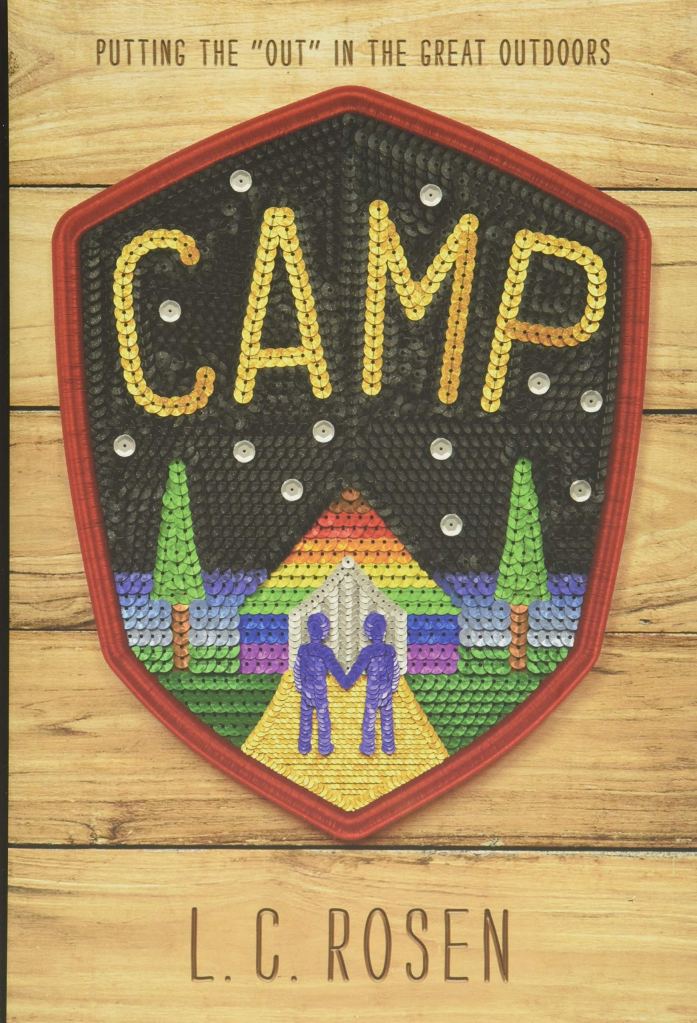
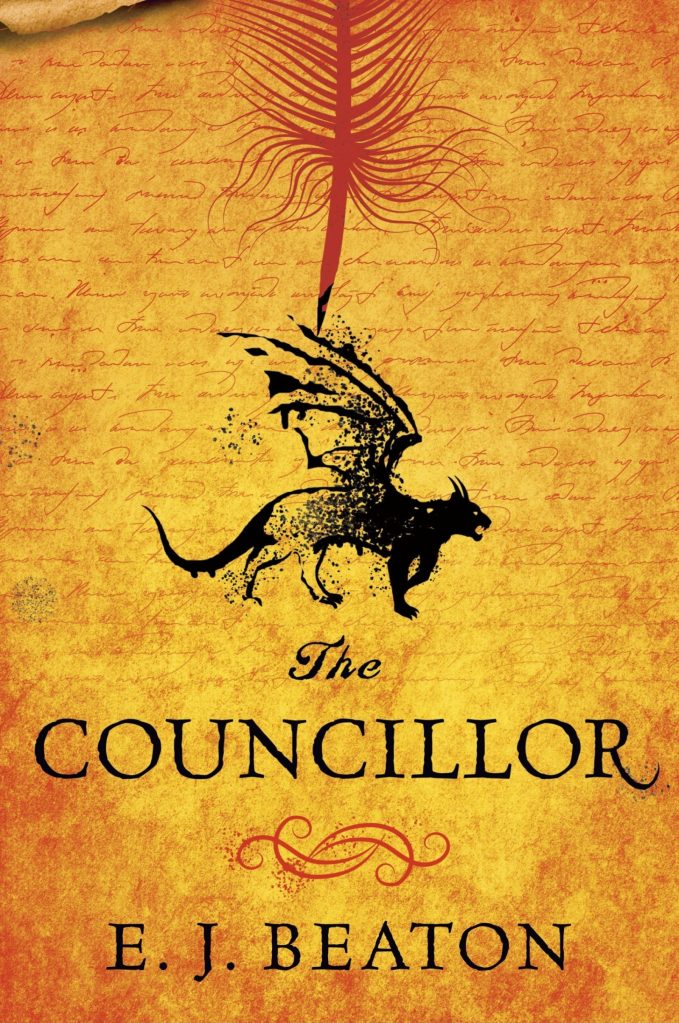
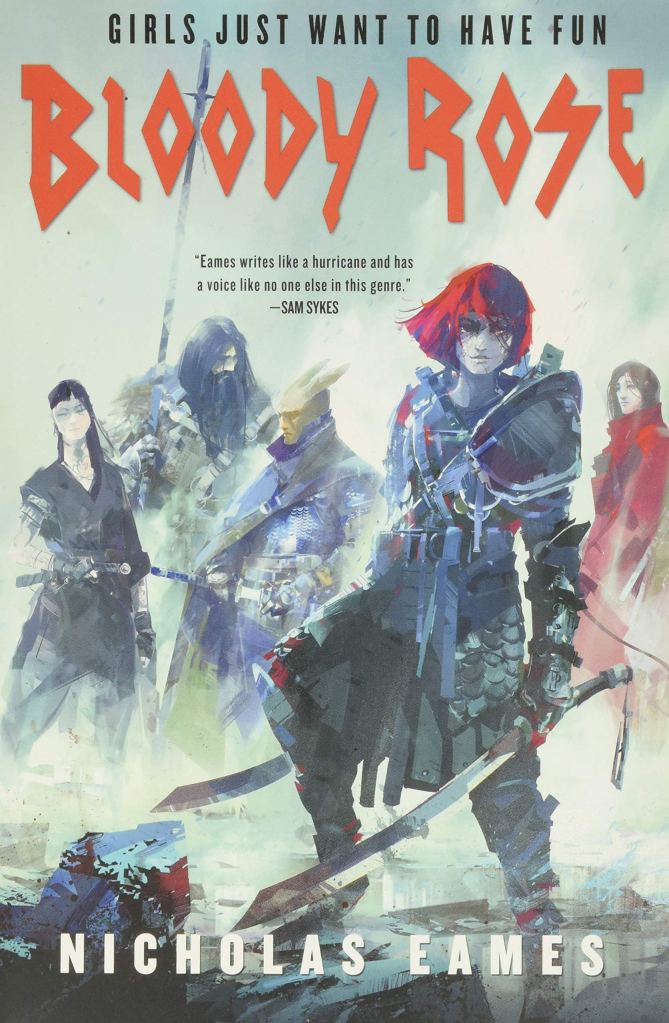
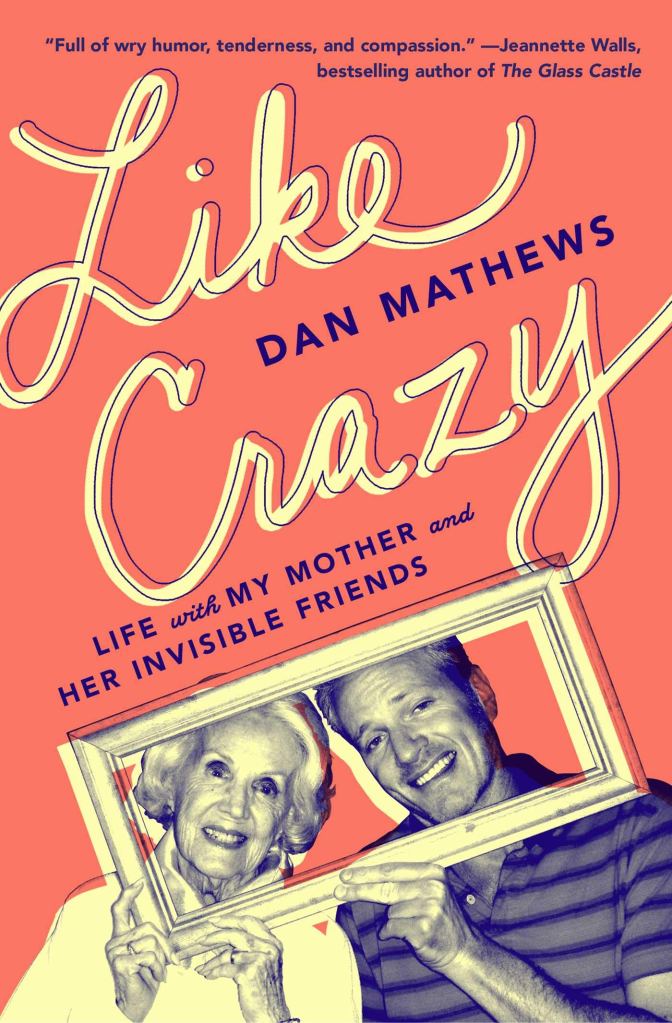
  • My 5-Star LGBTQ+ Books for Pride

    My 5-Star LGBTQ+ Books for Pride

    Celebrate Pride by reading an LGBTQ+ book! Start with something excellent, like one of the 5-star books that I’ve read and reviewed.


    My 5-Star LGBTQ+ Books for Pride

    Contemporary Fiction

    YA Contemporary Fiction

    Fantasy

    Science Fiction

    Nonfiction


    Share what you’re reading with the hashtag #RCRBookBingo2022 on Facebook, Twitter, and Instagram.

    Entries must be received by August 31, 2022 to be considered for the drawing.

    If you have any questions, email roarcatreads@gmail.com.

    Happy reading!

  • DM’s Pocket Guide Ep 19: Moonbeam

    DM’s Pocket Guide Ep 19: Moonbeam

    Today we're here to talk about Moonbeam, an atmospheric and powerful spell that Tricia absolutely did not use effectively for the longest time.  Save yourself the heartache and learn with us! Please like, review, and share to support DM’s Pocket Guide! We’re Tricia and Rachel from Roar Cat Reads.  If you would like to learn about a specific D&D rule or spell, send us a request at roarcatreads@gmail.com.  Transcripts of every episode are available!   If you want more rules, buy a copy of the Player’s Handbook! Follow us on Twitter and Instagram  Artwork by Haley Boros DM’s Pocket Guide is unofficial Fan Content permitted under the Fan Content Policy. Not approved/endorsed by Wizards. Portions of the materials used are property of Wizards of the Coast. ©Wizards of the Coast LLC.

    Transcription

    Welcome to DM’s Pocket Guide, where we discuss the rules, spells, and monsters of Dungeons and Dragons, 5th edition.

    Rachel: Okay, today we’re gonna talk about the spell Moonbeam, which is on page 261 of the Player’s Handbook. 

    Tricia: Excellent!

    R: So this is a second level evocation spell  –

    T: Evocation! We’ve done an episode on the Schools of Magic.  Did anything stick?

    R: Err, I think it’s the one where it, like, makes something out of magical energy. 

    T: Yes.

    R: Like it manipulates magical energy.

    T: Honestly, I still don’t understand the Schools of Magic so well.  I’ll have to go and re-listen to our episode

    R: Yeah. I think evocation was one of those catch all ones… anyway, back to Moonbeam. It is an evocation spell. Its casting time is one action, so this is the thing you’re gonna do on your turn. Its range is 120 feet which is pretty big, so you have a good area you can cast this in. It has verbal, somatic, and material components. So in order to cast this spell, the player will need to have on them several seeds of any moonseed plant and a piece of opalescent feldspar.

    T: Sure, because those are things you usually have in your pocket

    R: Yeah. I don’t usually adhere to that rule exactly, but I’m sure there’s a group out there that probably would. 

    T:  Yeah. Material components in general is not something that we often play with, and I have never missed it. However, we’ve had one player who’s kind of interested in picking up things along the way and figuring it out, and extremely high level spells that require something that costs a lot of money, it does prevent you from over-using.  So, there’s pros and cons–

    R:  To whether or not you want to include it, yeah, for sure.  Okay, so you’ve gotta be able to speak, you’ve gotta be able to move, you’ve gotta have this stuff on you, and it lasts for up to a minute and it requires you to concentrate on it.

    T:  So you could break concentration on the caster and end this spell before that minute. 

    R:  Yeah. Okay. So the spell text reads, a silvery beam of pale light shines down in a five foot radius, and it’s a 40 foot high cylinder centered on a point within range.  So this five foot radius tall thing within 120 feet of you.

    T:  You’re probably only going to get one person basically. 

    R:  Yeah. Right. If you think of most squares on a battle map are five feet or ten feet. It’s pretty narrow. Until the spell ends, a dim light fills this cylinder, so it gets lit up.

    T:  Like a moonbeam!

    R:  Yeah. So I guess if it was in a dark place that would be shedding light.  When a creature enters the spell’s area for the first time on a turn or starts its turn there, it is engulfed in ghostly flames that cause searing pain. It’s not like a nice pleasant Moonbeam. This is a burning torch of death. 

    T:  Yeah!  The name Moonbeam to me implies something like, gentle and nice.  And in fact, in a recent session that I ran, a character cast this spell, and we did all the things for it, but I was playing it very mildly. Not at all like my NPC’s were encased in flame and in searing pain! I’ll do that better next time.

    R:  You definitely should have tried to move away from this thing. And yeah, it does sound pretty painful. It has to make a constitution saving throw. If it fails, it’s gonna take  2D10 radiant damage, so it’s pretty hefty.

    T:  Yeah. And especially if it’s like, turn after turn. 

    R:  Yeah, exactly. And half as much on a failed save. So it’s one of those ones where you’re always gonna be doing at least some damage.

    T: That’s great. 

    R: Yeah, I love this stuff. Another thing to note about this is, if it’s a shape changer – the creature that this spell is cast on – they’re going to make that saving throw with disadvantage. So that’s…hags I think have that?

    T:  Mmhm.  I could be somebody who would be under an illusion of any sort:  invisibility, disguise self? Would that count?

    R:  I don’t know. It says shape changers. 

    T:  Oh, oh, oh. Okay. So werewolves.  Ooo, yeah!  I bet that’s how it’s designed: the moon is shining on you and so you’re forced to struggle against this and perhaps transform.

    R: Huh, yeah, that would be an interesting way to play it for sure. Okay. So they’re rolling it at disadvantage to make that saving throw, and also if it fails, it instantly reverts to its original form and can’t assume a different form until it leaves the spell’s light. 

    T:  Nice! Revealed by moonlight!  Oh man, I wish I’d run this so much differently.

    R:  So when your turn’s… after you cast this spell, provided it’s still going, you can use an action to move the beam up to 60 feet in any direction. It’s interesting it says an action there, because I think I would have assumed it was a bonus action to move the spell, but it’s actually a whole turn.

    T:  It’s almost like recasting it.  

    R:  Uh, yeah, I guess it would be. Huh. Oh, well, I guess other than spending the spell slot. 

    T:  Yeah, good point. 

    R:  And then at higher levels, this spell changes a little bit. For every spell slot above the third level, you can add an extra 1d10.

    T:  It’s real powerful. That moonlight’s burning. 

    R:  Mm-hmm. 

    T:  Okay.  That’s a really powerful spell!  It’s guaranteed to cause damage, it can reveal shape changers, and it is probably going to force someone to move to get out of that space. Like, it’s doing a lot of stuff.

    R:  Yeah, and with the range of 120 feet, you don’t even have to be close to be able to do any of this stuff. 

    T:  Yeah. 

    R:  That’s the spell Moonbeam on page 261 of the Player’s Handbook.

    Thanks for listening!  If you have something you’d like us to cover, email it to roarcatreads@gmail.com or find us on Twitter and Instagram @roarcatreads.  

  • The Thousand Eyes by A.K. Larkwood

    The Thousand Eyes by A.K. Larkwood

    Genre | Fantasy
    Page #s | 385
    Publishing Date | February 2022

    The sequel to A. K. Larkwood’s stunning debut fantasy, The Unspoken NameThe Thousand Eyes continues The Serpent Gates series–perfect for fans of Jenn Lyons, Joe Abercrombie, and Ursula K. Le Guin.

    Two years ago, Csorwe and Shuthmili defied the wizard Belthandros Sethennai and stole his gauntlets. The gauntlets have made Shuthmili extraordinarily powerful, but they’re beginning to take a sinister toll on her. She and Csorwe travel to a distant world to discover how to use the gauntlets safely, but when an old enemy arrives on the scene, Shuthmili finds herself torn between clinging to her humanity and embracing eldritch power.

    Meanwhile, Tal Charossa returns to Tlaanthothe to find that Sethennai has gone missing. As well as being a wizard of unimaginable power, Sethennai is Tal’s old boss and former lover, and Tal wants nothing to do with him. When a magical catastrophe befalls the city, Tal tries to run rather than face his past, but soon learns that something even worse may lurk in the future. Throughout the worlds of the Echo Maze, fragments of an undead goddess begin to awaken, and not all confrontations can be put off forever…

    Goodreads

    The Unspoken Name is one of my favorite fantasy novels (my review is here), and I was so excited that its sequel, The Thousand Eyes, was just as good! A.K. Larkwood guides readers back into the world with ease, reminding us of important people and places very organically. This time around, the secondary characters are front and center; we get several POVs, most notably from Tal and Shuthmili. While part of me missed the focus on Csorwe, I also enjoyed getting into the heads of her friends and partners, and it was very satisfying to see her through their eyes.

    While the first book is about resisting enforced sacrifice, this sequel is about embracing sacrifice on your own terms. It seems like nearly everyone is (or wants to be) a vessel for a deity, and there are innumerable bargains made along the lines of, “Take my body so long as XXX lives!” It’s a nice balance to the previous book, and it’s lovely to watch characters wrestle with the question of what is worth sacrificing themselves for.

    Speaking of deities! There are so many, and it is so much fun to see the various iterations, the various interactions they have with their vessels, and how their universal thirst for power is actually quite diverse in scope. It was like watching a D&D party full of warlocks navigate their patron bargains in more or less disastrous ways.

    The heart of these books is the characters, though, and especially the sheer number of queer characters. Tal gets fleshed out more, and I adore him. Shuthmili and Csorwe have such a great romance that is somehow sweet and simple whilst enmeshed in gigantically dramatic plots. Sethannai is a wonderful antagonist who I never want to truly die, and Oranna is a complex delight. We also get a new character this time around: the nonbinary teen Tsereg, who is a breath of fresh air. I would read an endless series about these six.

    Who Do I Recommend This Book To?

    If you’re on the hunt for a unique fantasy series with a majority queer cast and a plot that twists and turns over decades…The Unspoken Name and The Thousand Eyes for you!

    Check out our Queer Lil Library for more book recommendations and reviews!

  • Happy Pride Month!

    Happy Pride Month!

    Roar Cat Reads is a queer, nerdy place for LGBTQIA2S+ folk during the entire year, but like birthdays and holidays, it’s always nice to have some specific attention. So get out your rainbows (metaphorical or literal) and celebrate yourself and the queer folk around you! Happy Pride!

    If you’re new to Roar Cat Reads or want to learn more about what we do, this is your one-stop shop for all things queer and nerdy!

    Books

    Tabletop Games

    Most Popular Blog Posts

    On our blog, we review the world’s best television show Black Sails, interview queer nerdy folx about their projects and passions in our Adventure Queer series, and track our progress Walking Across Middle-Earth.

    Some of our most popular posts are:

    1. Reviewing White Plume Mountain, a D&D 5e Dungeon
    2. This is Why Rainbow Refugee Matters: Olga and Natasha’s Story
    3. Black Sails, Queer Representation, and the Valid Canonicity of Subtext
    4. Black Sails + Halt and Catch Fire
    5. We’re Getting Married: The Proposal Story!
    6. 2021 LGBTQ+ Summer Book Bingo
    7. Black Sails Season 1 Episode 8 Review – VIII
    8. Evangelicals and Captain Flint’s “Dragons” Speech in Black Sails
    9. Biphobia and Other Struggles of Queer Women
    10. Realizing You’re Queer When You’re 30

    We hope to see you around!

  • DM’s Pocket Guide Ep 18:  Resistances and Vulnerabilities

    DM’s Pocket Guide Ep 18: Resistances and Vulnerabilities

    Resistances and Vulnerabilities DM’s Pocket Guide

    Step up your combat game by learning what resistances, vulnerabilities, and immunities are and how to use them.  They'll turn a simple monster into an intense battle with players working to figure out how to damage them. Please like, review, and share to support DM’s Pocket Guide! We’re Tricia and Rachel from Roar Cat Reads.  If you would like to learn about a specific D&D rule or spell, send us a request at roarcatreads@gmail.com.  Transcripts of every episode are available!   If you want more rules, buy a copy of the Player’s Handbook! Follow us on Twitter and Instagram  Artwork by Haley Boros DM’s Pocket Guide is unofficial Fan Content permitted under the Fan Content Policy. Not approved/endorsed by Wizards. Portions of the materials used are property of Wizards of the Coast. ©Wizards of the Coast LLC.

    Transcription

    Welcome to DM’s Pocket Guide, where we discuss the rules, spells, and monsters of Dungeons and Dragons, 5th edition.

    Rachel:  All right. So today we’re going to talk about Damage Resistance and Vulnerability, which is in the Player’s Handbook on page 197. 

    Tricia:  Excellent, very excited about this one. 

    R: Oh yeah?

    T: Yeah. It’s something that I didn’t fully understand when I had first started DMing, and so all of my monsters were very one note because I just looked at hit points and armor class. A lot of creatures that were supposed to be very difficult ended up not being very difficult because I wasn’t looking at all of the information and didn’t really understand it very well.

    R:  Yeah, it’s just one of those things you can add in to monsters or it’s easy to miss on the stat block sometimes – that it’s there or even remember to ask.

    T: Yes. And it makes a big difference.

    R: Okay, so the the rule itself, as it reads in the book: some creatures and objects are exceedingly difficult or unusually easy to hurt with certain types of damage. If a creature or object has resistance to damage, damage of that type is halved against it. 

    T: Okay!  So if you are resistant to fire damage, I attack you with fire but it only does half as much. 

    R: But if you attack me with your sword, your not-on-fire sword, that’s going to do the regular amount of damage. And then similarly, if a creature or object has vulnerability to damage, damage of that type is doubled against it. 

    T: That makes sense. 

    R: Yeah, so this also gives the DM a little bit of flavor to play with as you’re describing what happens to the creatures as it’s being attacked. You can hint at whether something is resistant or more vulnerable to some type of damage or something.

    T: I like that, because I am often – when I am harried and flustered as a DM, I’ll just be like, “Oh that does half damage,” or I just don’t say anything at all, and adding that flavor of like, “Oh, you know your storage should have sliced much deeper than that, but it didn’t do quite as much as you expect.”

    R: Yeah, or I like the enemy just sort of turning around and doing that super intimidating thing of like, “That didn’t even hurt.” 

    T: Or conversely, if they’re vulnerable that, like, you start forming fireball and they just rear back in terror. 

    R: Mhm. Yeah, that’s fantastic. So resistance and vulnerability – these things are applied after other modifiers to the damage. So for instance, if you were to attack me, and I have resistance to the type of damage that you’re attacking with. You do 25 points of damage, but I’m within a magical aura that reduces all types of damage by five. So when I’m calculating resistance, I take the 25 points that you did to me, I deduct the 5 from my magical aura to 20 points of damage, and I will take half of that again. So an extra 10 points of damage. 

    T: Okay. So modifiers are still effective?

    R: Your attack modifiers, yes, and damage modifier. 

    T: Yeah. Okay. 

    R: So another thing to know about resistance and vulnerabilities, it does not stack. There’s some spells that impose a vulnerability or a resistance to a certain type of damage, but you can’t make something doubly vulnerable. It can only be one kind of vulnerable.

    T: So it’s like, oh, you’re vulnerable to fire. Now, you’re twice as vulnerable to fire!! –

    R: Nope.

    T: Awww. Okay, that’s fair. And so I think the key to this is, what does this look like when you’re actually looking at a stack block?

    R: Yeah, sure. Tell me about some creatures that have resistances and vulnerabilities.

    T: Well, one that makes a lot of intuitive sense are scarecrows. If you had to guess what they were vulnerable to, what would you guess? 

    R: Fire.

    T: Fire! All that straw making up their bodies, that’s gonna go up in flames. So if you do any fire damage against scarecrows, it will do twice as much damage as normal. But they are also resistant to bludgeoning, piercing, and slashing from non-magical attacks. So that also makes sense. They’re just made of straw. If you stab it, big woop. Like, there’s no vital organs in there. 

    R: Yeah. It’s just a little animated straw and creature. Uh, there’s no creature in there, that’s the point.

    T: Yes, exactly. Conversely, shadows, which are on the very next page of the Monster Manual – this is page 268 and 269 of the Monster Manual – shadows are vulnerable to radiant damage. 

    R: Oh, that makes sense. Like, that’s the spells that cast light and things like that. 

    T: Yeah, they don’t like it, and they are resistant to a lot of stuff. They’re resistant to acid, cold, fire, lightning and thunder damage as well as bludgeoning, piercing and slashing from non-magical attacks. 

    R: Oh wow, you pretty much named everything there.

    T: Yes. So these are great creatures that like, their armor class is 12 and they have 16 hit points, so they look like they’re very easy. But in actuality, everything you do to try to hit them is just gonna do like minimal damage. 

    R: It’s only going to be half as effective. That’s the whole thing, the players trying to find out the thing that is effective. It’s nice, it’s kind of intuitive that it’s light damage that is the thing that really does… 

    T: Yeah. Yeah. And so, I think that playing with vulnerabilities and resistances makes fights more interesting, more creative. It allows for players to pull out different skills and different attacks that maybe they don’t normally use, but it’s going to be very effective depending on who you’re fighting.

    R: Yeah. 

    T: One other thing that is not listed in the Player’s Handbook, but is a part of this conversation is immunities. 

    R: Yes. That’s right. That’s the one other thing that a bad guy or a monster from the Monster Manual would have. 

    T: Yeah, so if you are resistant to something, you take half the damage.  If you are immune to something, you take zero damage. Which is my favorite, as a DM, to be like…that’s that terrifying, look of, “I didn’t even feel that at all!” 

    R: Yeah, wait until your player describes dealing 46 points of damage and like, well yeah, you think that would happen, but actually, nothing!

    T: So shadows are additionally immune to necrotic and poison damage. 

    R: That makes sense.

    T: It does. So these things are very hard to hit, basically, unless you have a magical weapon or deal radiant damage. So that is vulnerabilities, resistances, and immunities.

    R: And that’s on page 197 of the Player’s Handbook.

    Thanks for listening!  If you have something you’d like us to cover, email it to roarcatreads@gmail.com or find us on Twitter and Instagram @roarcatreads.  

  • Dear Senthuran: A Black Spirit Memoir by Akwaeke Emezi

    Dear Senthuran: A Black Spirit Memoir by Akwaeke Emezi

    Genre | Memoir
    Page #s | 240
    Publishing Date | June 2021

    In three critically acclaimed novels, Akwaeke Emezi has introduced readers to a landscape marked by familial tensions, Igbo belief systems, and a boundless search for what it means to be free. Now, in this extraordinary memoir, the bestselling author of The Death of Vivek Oji reveals the harrowing yet resolute truths of their own life. Through candid, intimate correspondence with friends, lovers, and family, Emezi traces the unfolding of a self and the unforgettable journey of a creative spirit stepping into power in the human world. Their story weaves through transformative decisions about their gender and body, their precipitous path to success as a writer, and the turmoil of relationships on an emotional, romantic, and spiritual plane, culminating in a book that is as tender as it is brutal.

    Electrifying and inspiring, animated by the same voracious intelligence that distinguishes their fiction, Dear Senthuran is a revelatory account of storytelling, self, and survival.

    Goodreads

    I found Dear Senthuran to be a challenging, beautiful reading experience. Emezi is an astonishingly good writer; their prose is by turns beautiful, haunting, visceral, and unapologetic. Emezi’s book Pet quickly became one of my favorites, so I was eager to read this memoir that largely focuses on their literary career. It was a fascinating peek behind the publishing curtain, but it doesn’t stop there. We also get raw reflections on Emezi’s gender, relationships, and mental health. It is a powerhouse of a book; one I found genuinely difficult to read sometimes, but one that I can’t stop thinking about.

    There are two themes that have stuck with me the most: Emezi’s conversation about their spirithood (as opposed to personhood) and their honest journey of ambition, loneliness, and confidence as a Black writer. I admit that I am still wrestling with Emezi’s identification as an ogbanje, “an Igbo spirit that’s born into a human body, a kind of malevolent trickster, whose goal is to torment the human mother by dying unexpectedly only to return in the next child and do it all over again. They come and go.” This identification reflects Emezi’s suicidality as well as their lack of identification with any human gender. My American brain constantly wants to interpret this as a metaphor, yet Emezi directly challenges that response by asking readers why Western thoughts should be valued more highly than Nigerian worldviews. Touché!

    I also appreciated Emezi’s honesty about their authorial ambitions. Their confidence borders on arrogance, but in the best way possible. They are sure of their talent and refuse to ask for less than what they think they deserve. While this leads to financial success and recognition, it also isolates Emezi. I so admire them for sharing all sides of the situation; ambition is complicated, and it’s worth portraying the positive and negative consequences of its pursuit.

    This is such a rich book, and I really want more people to read it and share their thoughts! It would be an excellent book club choice!

    Who Do I Recommend This Book To?

    Dear Senthuran is for the literary reader who appreciates Good Writing™ as well as for anyone who appreciates a raw memoir that holds nothing back.

    Check out our Queer Lil Library for more book recommendations and reviews!

  • DM’s Pocket Guide Ep 17: Guards

    DM’s Pocket Guide Ep 17: Guards

    Welcome to DM’s Pocket Guide DM’s Pocket Guide

    Welcome to DM’s Pocket Guide, a podcast where we take one rule, spell, or monster from D&D 5e and discuss it in nine minutes or less.   If you would like to learn about a specific D&D rule or spell, send us a request at roarcatreads@gmail.com.  We’re Tricia and Rachel from Roar Cat Reads where we make queer and nerdy content based out of Vancouver, BC. Please like, review, and share to support DM’s Pocket Guide! Follow us on Twitter and Instagram  Artwork by Haley Boros  

    Transcription

    Welcome to DM’s Pocket Guide, where we discuss the rules, spells, and monsters of Dungeons and Dragons, 5th edition.

    Tricia: Okay, today we are going to talk about Guards

    Rachel: Guards. 

    T: They are on page 347 of the Monster Manual, and I like to think of them as the human equivalent of goblins.

    R: Yeah, yeah. They actually kind of are. They have the same challenge rating of 1/8? 

    T: Yeah, they’re easy. They’re often like, a faceless horde of creatures – they are just a bunch of guards. But they do have a lot of possibility to make them more interesting and more diverse and like, individualize them in the same way as goblins – like, there’s always gonna be that one goblin your group wants to adopt. There’s always going to be that one guard that you’re like, “Oh, Ted has a wife and kids.”

    R: Yeah exactly. It is that area where you – in any town or any settlement, you’re probably gonna have guards at some point, and it’s your opportunity as a DM, this is the place where you can show your diversity. Guards are going to be a group that your players interact with. So that’s where you can introduce…

    T: Yeah, because they don’t have any official alignment, and no official race –

    R: It just says any race, medium humanoid, any alignment. So you can have good guards, you can have evil guards, you can have neutral guards, lawful guards, chaos guards!

    T: Dragonborn guards.

    R: Halfling guards. 

    T: Yeah, anything. So, don’t just default to, oh, these are probably all human men, 

    R: That’s the easy thing to do, but challenge yourself and make your guards a little bit more diverse than that. 

    T: Yeah. So whats the stat block?

    R: Armour class of 16. They are armored with chain shirts and a shield, so that’s why it’s a little bit higher, makes sense. And hit points are 11. So yeah, pretty…

    T: If you can get past that armour class, they’re squishy.

    R: And have a speed of 30 feet, so pretty standard. Their ability scores are pretty low across the board, just +1 in strength, dexterity, and constitution, +2 for perception. I suppose they are on the look out for trouble. And and then passive perception of 12, and they can speak any one language. 

    T: Sure, whatever race you’re choosing, they can speak that.

    R: Right. And yes, that’s most of the numbers in the statblock and then their one action, which is spear.

    T: All guards have spears.

    R: Apparently. But I’m sure you can change it up to swords as well. But the start block has only seen fit to give a spear. +3 to hit so just pretty low. And then they’re going to do 1d6 +1 piercing damage, and or 1d8 +1 if they use two hands to stab.

    T: So these guys are not a big bad. They’re the minions for human or humanoid settlements. And I think the other thing to talk about with guards is there’s another book called The Monsters Know What They’re Doing that I highly recommend by Keith Ammann. I don’t know how to say his last name, but it talks about actually giving your monsters and creatures motivation. Guards are one of those that like – they’re humanoid creatures, they are intelligent creatures. That can make their own decisions. This is one of those fights that if you are fighting with the guard, there’s a good chance they don’t want to die.

    R: No, they’re just on the payroll. 

    T: Yeah, this isn’t worth dying for. 

    R: Yeah, they want to spend that money that they are earning on something, you have to be alive to do that. So, well, if I’m gonna die then I can’t spend the money I make from this. Oh, I see. No, I’m just gonna go over here now. 

    T: Yeah, yeah. So this is also kind of a way to establish world building through your combat with guards. If they do fight to the death, this is probably a pretty authoritarian place where they’re gonna die if they don’t die keeping you from doing the thing.

    R: Yeah. Or there’s something that they’re being rewarded with other than money, 

    T: Right, yes. So there’s a lot you can do with guards actually to establish your world and what that looks like.

    R: Yeah man. I’m thinking differently about Guards all of a sudden.

    T: Right? They seem so simple. And I do also recommend giving the guards stat block a look because of the number of times that my players walk into a village and there are guards. I’m thinking they are not going to be attacked because this is a good village and my players wouldn’t do anything. But of course they’re murderhobos, and they’re gonna kill somebody. And then the guards have to get in there and fight, and I’m scrambling to be like, “I didn’t expect this, what is a guards stat block?”

    R: Yeah, it’s also a nice base stat block. There’s nothing too complex in there. You could add some resistances or vulnerabilities in there to make really tough guards, or make ones that have just come out of a battle or something. You know? 

    T: Yeah, I like that. If you are looking to personalize some sort of combat feature and you’re not sure where to start, this is a really good one to start with.

    R: So that’s Guards on page 347 of the Monster Manual.

    Thanks for listening!  If you have something you’d like us to cover, email it to roarcatreads@gmail.com or find us on Twitter and Instagram @roarcatreads.  

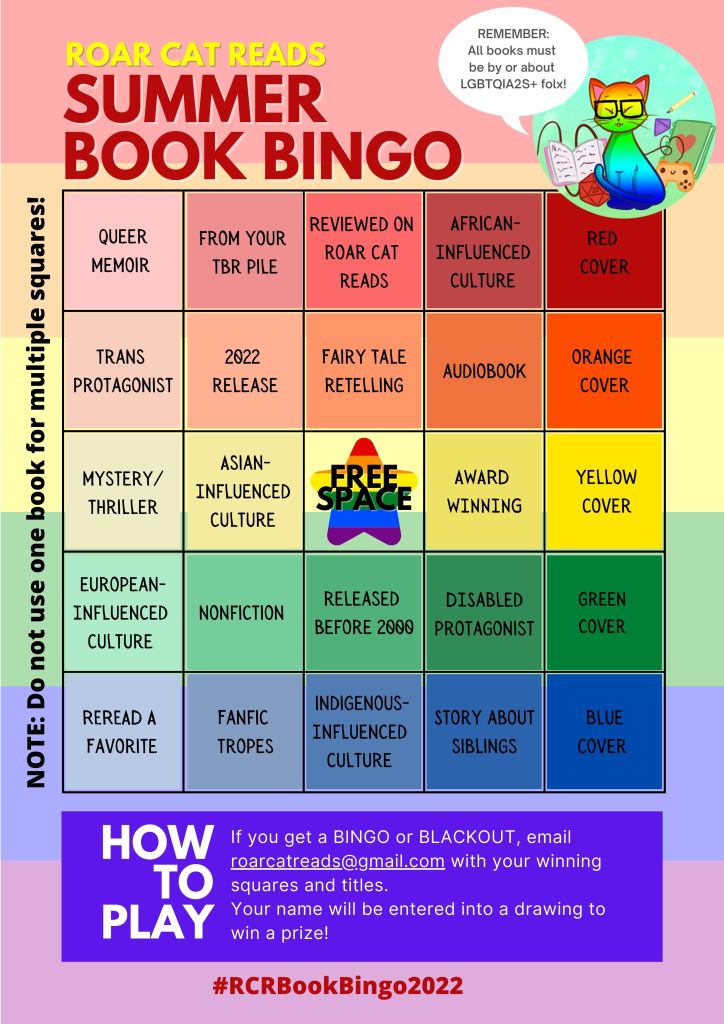
  • Lauren (ReadingWithFeelings)’s Book Recommendations for RCR’s 2022 LGBTQ+ Summer Book Bingo

    Lauren (ReadingWithFeelings)’s Book Recommendations for RCR’s 2022 LGBTQ+ Summer Book Bingo

    Lauren (she/her, they/them) is a bookstagramer as @readingwithfeelings.


    Reviewed on Roar Cat Reads

    Loveless by Alice Oseman

    African-Influenced Culture

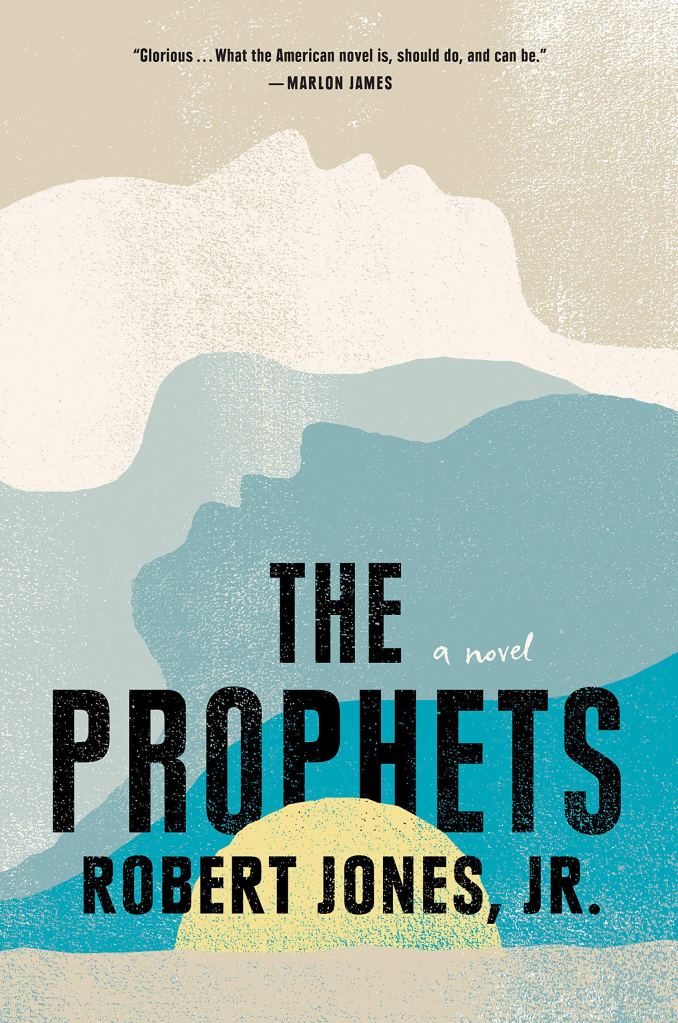
    The Prophets by Robert Jones Jr.

    Red Cover

    Iron Widow by Xiran Jay Zhao

    Trans Protagonist

    Sir Callie and the Champions of Helston by Esme Symes-Smith
    Hell Followed with Us by Andrew Joseph White
    Obie is Man Enough by Schuyler Bailor

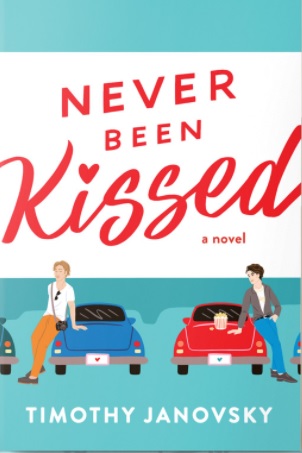
    2022 Release

    Never Been Kissed by Timothy Janovsky

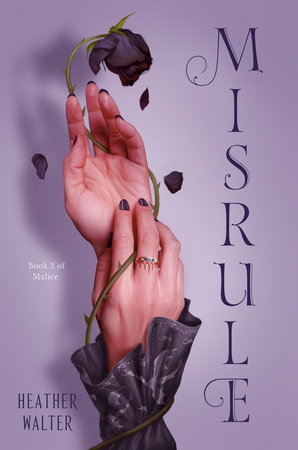
    Fairy Tale Retelling

    Misrule by Heather Walter
    Travelers Along the Way by Aminah Mae Safi

    Audiobook

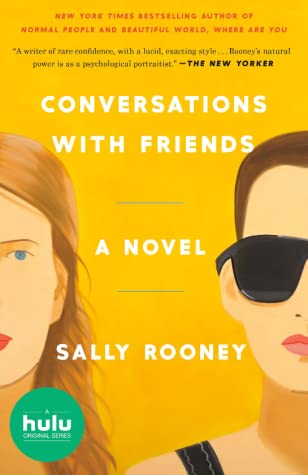
    Conversations with Friends by Sally Rooney

    Orange Cover

    D’Vaughn and Kris Plan a Wedding by Chencia C. Higgins

    Mystery/Thriller

    An Unsuitable Heir by K.J. Charles

    Asian-Influenced Culture

    Portrait of a Thief by Grace D. Li

    Award Winning

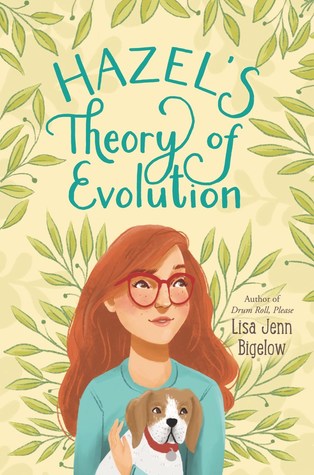
    Hazel’s Theory of Evolution by Lisa Jenn Bigelow
    Last Night at the Telegraph Club by Malinda Lo
    Wow, No Thank You by Samantha Irby

    Yellow Cover

    Queerly Beloved by Susie Dumond

    European-Influenced Culture

    Royal Rescue by A. Alex Logan

    Nonfiction

    When Brooklyn Was Queer by Hugh Ryan

    Released Before 2000

    Weetzie Bat by Francesca Lia Block

    Disabled Protagonist

    One for All by Lillie Lainoff
    Sick Kids in Love by Hannah Moskowitz

    Green Cover

    I Kissed Shara Wheeler by Casey McQuiston

    Fanfic Tropes

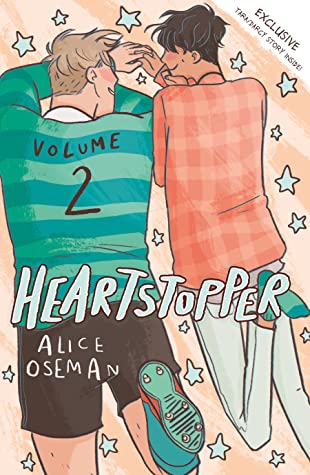
    Heartstopper Volume 2 by Alice Oseman

    Indigenous-Influenced Culture

    Elatsoe by Darcie Little Badger

    Story About Siblings

    She Gets the Girl by Rachel Lippincott and Alyson Derrick

    Blue Cover

    And They Lived… by Steven Salvatore


    Share what you’re reading with the hashtag #RCRBookBingo2022 on Facebook, Twitter, and Instagram.

    Entries must be received by August 31, 2022 to be considered for the drawing.

    If you have any questions, email roarcatreads@gmail.com.

    Happy reading!

  • Thirsty Mermaids by Kat Leyh

    Thirsty Mermaids by Kat Leyh

    Genre | Fantasy Graphic Novel
    Page #s | 256
    Publishing Date | February 2021

    Fresh out of shipwreck wine, three tipsy mermaids—Pearl, Tooth, and Eez—hit on the idea of magically masquerading as humans and sneaking onto land to indulge in much more drinking and a whole lot of fun right in the heart of a local seaside tourist trap. But the good times abruptly end the next morning when, through the haze of killer hangovers, the trio realizes they never actually learned how to break the spell, and are now stuck on land for the foreseeable future. Which means everything from: enlisting the aid of their I-know-we-just-met-but-can-we-crash-with-you bartender friend, struggling to make sense of the human world around them, to even trying to get jobs with zero skill sets . . . all while attempting to somehow return to the sea and making the most of their current situation with tenacity and camaraderie (especially if someone else is buying).

    Goodreads

    Thirsty Mermaids is an absolutely delightful graphic novel that is the very pinnacle of queer chaos. Our three main characters are queer stereotypes both in personality and in body shape, and I love them all with my whole heart. First as mermaids, then as very confused humans, they just want to have a good time and be there for each other.

    One of my favorite things about this book is the body neutrality presented. It’s a cartoon, so sizes are exaggerated, and every person represented is just rocking their body exactly as they want to – albeit with some wobbly legs when they first walk on land.

    The other excellent thing about this story is how it portrays the inherent idiocy of capitalism. The three mermaids struggle to survive and bumble their way into jobs and out of sticky situations (how were they supposed to know that magic card they found in the stolen shorts was someone else’s money?). It’s ridiculous, funny, and a good argument for a living wage.

    This is a celebration of queer community, and as such, it doesn’t stop with the mermaids. They are welcomed into the home of a trans woman, and although she saves them time and again, they also save her by welcoming her into their ragtag, loving family. It’s super cute and an excellent read.

    Who Do I Recommend This Book To?

    Give Thirsty Mermaids to literally any queer person. It’s excellent!

    Check out our Queer Lil Library for more book recommendations and reviews!

  • DM’s Pocket Guide Ep 16: Scrying

    DM’s Pocket Guide Ep 16: Scrying

    If you want to run a Curse of Strahd campaign, do yourself a favor and listen to this episode about the spell Scrying to save yourself a retroactive headache! Please like, review, and share to support DM’s Pocket Guide! We’re Tricia and Rachel from Roar Cat Reads.  If you would like to learn about a specific D&D rule or spell, send us a request at roarcatreads@gmail.com.  Transcripts of every episode are available!   If you want more rules, buy a copy of the Player’s Handbook! Follow us on Twitter and Instagram  Artwork by Haley Boros DM’s Pocket Guide is unofficial Fan Content permitted under the Fan Content Policy. Not approved/endorsed by Wizards. Portions of the materials used are property of Wizards of the Coast. ©Wizards of the Coast LLC.
    Transcription

    Welcome to DM’s Pocket Guide, where we discuss the rules, spells, and monsters of Dungeons and Dragons, 5th edition.

    Rachel: Okay, so today we are going to talk about Scrying, which is on page 273 of the Player’s Handbook.

    Tricia: Ahhh scrying. The spell I didn’t know I should have known much more about when I started my Curse of Strahd campaign.

    R: Yeah, that’s right. If you want to spy on other people, scrying is the spell that you want to use. 

    T: Yeah, and I do.

    R: Frequently. So this is a fifth level divination spell. So your player characters aren’t gonna get to use this for a little while, but your bad guys, this is one they can probably start out a campaign with.

    T: Yes. 

    R: Divination magic – just as a reminder for the Schools of Magic – reveal information. 

    T: Oh yeah. 

    R: Which totally makes sense in this context about scrying. The casting time is 10 minutes. You do have to have a bit of time to be able to cast this one, and you cast it on yourself. It has verbal, somatic, and material components. You’ve got to be able to speak. You’ve got to be able to move and you need to have stuff.

    T: Stuff! 

    R: The stuff you need is a focus worth at least a thousand gold pieces, such as a crystal ball, silver mirror, or a fount filled with holy water or (as my character has) a bejeweled skull with a crown on it.

    T: Yes, whatever works. But that is another reason why probably a villain starting a campaign will be able to do this early but as players you’ve got to save up a bunch of treasure. And luckily it’s not like the spell burns through your bejeweled skull with a crown. Once you have it, it will continue to work as a scrying device. 

    R: Yeah, you just have to have it with you and keep it and don’t let it be stolen.

    T: Ooh, I’m taking notes.

    R: Hey! Don’t do that! And then it’s a concentration spell up to 10 minutes. So if something happens that breaks concentration, that spell’s going to cut off early.

    T: Somebody knocks on the door while you’re trying to scry. Oh Gerald.

    R: It’s got to cause damage.

    T: Oh right. This is why I need to go back and listen to our Concentration episode.

    R: Yes. And then the words of the spell read as: You see and hear a particular creature you choose that is on the same plane of existence as you.

    T: Okay.

    R: The target must make a wisdom saving throw, which is modified by how well you know the target and the sort of physical connection you have to it.

    T: I like that. So scrying is easier or harder based on how well you know the thing or person you are scrying on. 

    R: That’s right. So if you’ve only heard of them like secondhand, when they are making that savings throw, they’re gonna add an extra five to whatever it is that they roll. And if you’ve met them before, it will just be flat with no modifier for personal knowledge. And if you are familiar with them you get a little bonus. It’s a minus five to the saving throw so it’s easier for that spell to succeed if you know the target.

    Roar Cat: *small mew*

    T: Okay. 

    R: Similarly, with the connection – that’s the physical object that you have – if it’s a picture, it’s going to get you minus two to the saving throws, so that’s good. A possession or garment is better. That’s going to get you a minus four. A body part (lock of hair, bit of nail) is minus ten to that saving throw.

    T: Yeah, so like hypothetically if Strahd von Zarovich had a lock of Ireena’s hair and he knew her very well…what would that do?

    R: If he was trying to scry on her, she would be rolling with a minus fifteen wisdom saving throw.

    T: No wonder Strahd, hypothetically, always knows what you’re up to. 

    R: Damn it! Okay. Yeah. So on a failed save, assuming that she fails which she probably will with all of that negativity going against her, the spell creates an invisible sensor within 10 feet of the target. You can see and hear through the sensor as if you were there in the room. The sensor moves with the target, remaining within 10 feet of it for the duration. 

    T: That’s cool. 

    R: Yeah, and if you are a creature that can see invisible objects, you see the sensor as a luminous thing about the size of your fist.

    T: So if you have true sight, you will be able to see there’s a bloop. This thing pops into existence. 

    R: Yeah, true sight is a trait for some monsters and some creatures. So, maybe your bad guy keeps somebody around with true sight…or I think it’s also a spell.

    T: That’s great. 

    R: Yeah, that’s one way to use it. But if you’re successful on that save, the target isn’t affected and you can’t use this spell again in 24 hours. 

    T: Ah, so you are trying to make – trying to get that good Wi-Fi connection and you can’t. And you’re like, “I give up for the next 24 hours.”

    R: Yeah pretty much. And additionally, if a target knows that you’re casting the spell, it could fail the saving throw voluntarily if it wants to be observed. 

    T: So, there’s a lot of different things you could do with that. Like, you could cast that on your teammate. And be like, “I go in there and I’ll cast Scry on you!” and they’ll voluntarily fail, so it automatically succeeds and then you can kind of see what they’re doing on their reconnaissance mission. 

    R: Yeah, exactly. It’ll follow them for 10 minutes, so you can see everything they’re doing. You’ll know if they get into trouble. 

    T: Also, maybe not to give you ideas, but now that your group knows that Strahd is scrying on you, you could choose to voluntarily fail, just kind of constantly and set up like, little tricksy scenes.

    R: That’s true. And we would know because you would be asking us to make a wisdom saving throw.

    T: Gahh. 

    R: Which brings us to the possible difficult points of using this spell, because any time you ask your players to make a mystery wisdom saving throw, they’re gonna know something is up, and that’s gonna change their behavior. Even if they fail the the save.

    T: Yeah.

    R: How do you get around that? 

    T: I think you’ve got to either just make them roll random saving throws all the time, some of which are just nonsense. 

    R: Man, this is explains so much about why your players are so paranoid in your campaigns.

    T: Never mind that, they were all real. But you have to do that, or I guess it’s like a reward. They would be trying to figure out why they are making wisdom saving throws. And like, it took you guys a long time to figure out that Strahd had the ability to scry on you. And I guess it’s a reward to know it’s happening. 

    R: Would you consider having a player’s stats in front of you and making that roll for them? 

    T: Mmm, maybe. 

    R: Yeah. I mean it does put another piece of something to manage on the DMs plate. You’re now, you know, rolling something for your players as well. It depends on how secret I guess you want to keep it if you want to inspire that feeling of creepiness. Yeah I make them make that mystery roll. 

    T: Yeah. 

    R: But otherwise, yeah up to you of the feeling you want to generate in your campaign. 

    T: Yeah. If you use scrying in a particular way let us know. I would be very curious. 

    R: Yeah for sure. OK so there’s a little bit more to cover on this one. So all of this is relevant if you’re casting it on a creature, which usually you are, but you can opt to cast it in a place. You can choose a location that you’ve seen before as the target of this spell. When you do, the sensor appears at that location and doesn’t move. 

    T: So if I’m like, oh, I want to know what Rachel’s up to when she’s working from home, totally not creepily, instead of trying to cast it on you, I could just cast it on our living room.

    R: Yeah, somewhere in our apartment. Well this didn’t get creepy at all. Excellent. Well, that is all of Scrying on page 273 of the Player’s Handbook.

    Thanks for listening!  If you have something you’d like us to cover, email it to roarcatreads@gmail.com or find us on Twitter and Instagram @roarcatreads.